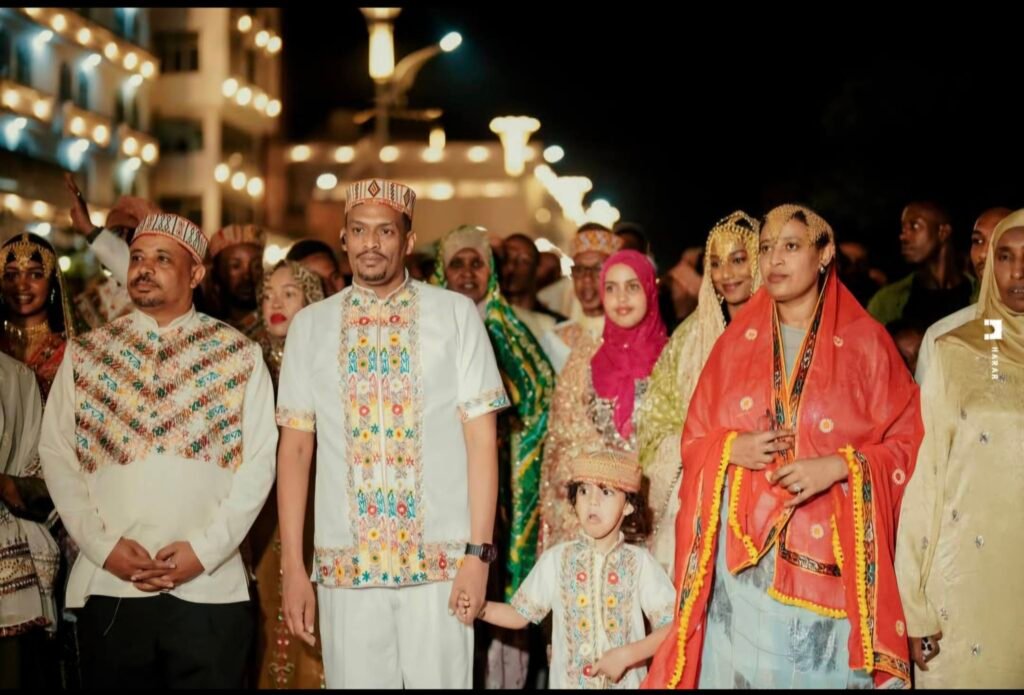
Harar (TDI): The UNESCO-recognized Shuwalid Festival was celebrated on Thursday in the historic walled city of Harar Jugol in eastern Ethiopia.
The three-day event marks the end of a six-day voluntary fast that follows Ramadan, drawing large crowds to the shrines of Aw Shulum Ahmed and Aw Akebara.
Tourism Minister Selamawit Kassa, State Minister Dr Endegena Abebe, Harari Regional State President Ordin Bedri and other officials attended the opening. Miss World Africa Hasset Dereje also joined the celebrations, which this year carries the theme “Shuwalid for Our National Unity and Tourism Development”.
The Ethiopian Embassy in Ankara posted on X on Friday, “Shuwalid is in full swing! The UNESCO-recognized Shuwalid festival is being celebrated with the presence of dignitaries.”
Shuwalid is in full swing! The UNESCO-recognized Shuwalid festival is being celebrated with the presence of dignitaries. https://t.co/E4CjUzi0wN #VisitEthiopia #LandOfOrigins #Shuwalid #Harar #UNESCO #IntangibleCulturalHeritage pic.twitter.com/T0ebDMj9Qe
— Ethiopian Embassy Ankara (@ETEmbassyANK) March 27, 2026
What Is Shuwalid
Shuwalid is an annual three-day festival observed by the Harari people in the tenth month of the Harari calendar. It combines spiritual rituals with community gatherings. The festival begins with Zikri, UNESCO-recognized songs and readings from scripture in Arabic and the Harari language.
Traditional Karabu drums accompany rhythmic music, while men and women perform separate dances. Known locally as Wachua Dharma Eid or the “Holiday of the Youth”, the event encourages social interaction, courtship among young people and the passing of cultural knowledge from elders to the next generation.
Harar Jugol itself holds deep historical importance. The fortified town, built between the 13th and 16th centuries, served as the capital of the Harari Kingdom from 1520 to 1568. It later became an independent emirate and was integrated into Ethiopia in 1887.
Read More: Emirati Culture Celebrated at Karachi’s World Culture Festival
The city is home to 82 mosques, many of which date back centuries, and 102 shrines, earning its recognition as the fourth holiest city in Islam. In 2006, UNESCO listed Harar Jugol as a World Heritage site for its unique architecture and cultural significance. Shuwalid forms a living part of that heritage.
UNESCO inscribed Shuwalid on the Representative List of the Intangible Cultural Heritage of Humanity on 3 January 2024. The listing highlights the festival’s role in preserving Harari identity, promoting social cohesion and transmitting oral traditions.
Ethiopian officials have described it as a rare cultural asset with strong potential to develop tourism in Harar, already known as the “Living Museum” and “City of Saints”.

Muhammad Usman Hashmi is a researcher in International Relations, focusing on climate diplomacy, global governance, and political economy in the Global South. He has contributed to policy dialogues with the Foreign Policy Community of Indonesia and serves as a Senior Research Fellow at the International Council on Human Rights, Peace and Politics. He is also associated with Rethinking Economics Islamabad, contributing to research on development and sustainability.