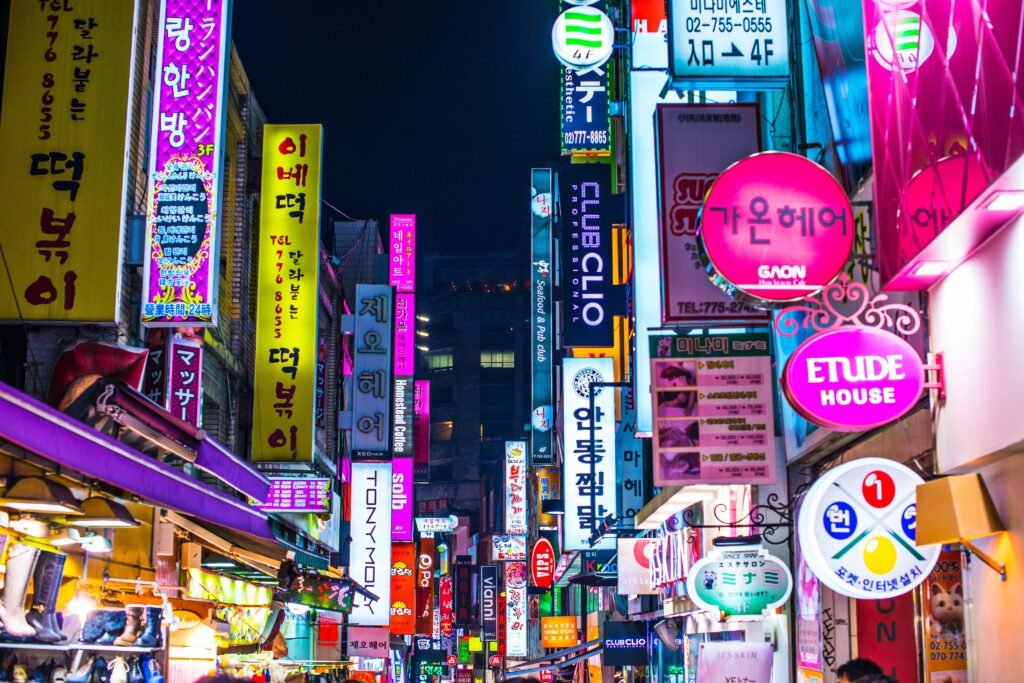
In today’s interconnected world, influence is no longer exercised solely through military strength or economic power. Countries are increasingly turning to culture, media, and people-to-people connections to shape how they are perceived globally. Among the most successful examples of this shift is South Korea, whose rise as a cultural powerhouse through the Korean Wave, or Hallyu, has transformed it into a key player in modern public diplomacy.
Public diplomacy refers to the ways in which a state communicates and engages with foreign publics to build a positive image and foster mutual understanding. South Korea has mastered this approach not through traditional state-centric messaging, but by allowing its culture to speak for itself. From music and television to food and fashion, Korean culture has reached audiences far beyond its borders, creating a sense of familiarity and admiration that formal diplomacy alone often fails to achieve.
At the centre of this phenomenon is K-pop, a genre of music that has captivated millions across continents. Groups like BTS and BLACKPINK are not just entertainers; they are cultural ambassadors. Their global tours, social media presence, and messages about identity, self-expression, and resilience resonate with young audiences worldwide. This emotional connection translates into a positive perception of South Korea as a modern, creative, and dynamic society.
Equally influential are Korean dramas, which have gained immense popularity through streaming platforms. These dramas offer more than just entertainment; they present glimpses into Korean traditions, social values, and everyday life. Viewers who watch these shows often develop an interest in the Korean language, cuisine, and even travel, turning passive audiences into active participants in cultural exchange.
Read More: K-Wave Festa Bringing Korean Culture, Beauty & Pop to Islamabad This Weekend
The global success of Korean cinema has further strengthened South Korea’s soft power. Films like Parasite, which won international acclaim, demonstrate the country’s storytelling depth and artistic excellence. Such achievements elevate South Korea’s status on the global stage, proving that cultural production can be as impactful as political or economic achievements.
Importantly, the Korean government has played a supportive role in nurturing this cultural expansion. Rather than tightly controlling content, it has invested in creative industries, infrastructure, and education, allowing artists and producers to innovate freely. Institutions dedicated to cultural promotion, language learning, and international exchange have further amplified the reach of Korean culture.
However, the success of Hallyu is not without challenges. Cultural influence can sometimes lead to concerns about cultural homogenization or the overshadowing of local traditions in other countries. Moreover, maintaining authenticity while catering to global audiences requires a delicate balance. South Korea must ensure that its cultural exports remain rooted in genuine expression rather than becoming overly commercialized.
Despite these challenges, the Korean Wave stands as a powerful example of how culture can be used as a tool of diplomacy. It shows that influence built on attraction and shared experiences can be more sustainable and far-reaching than that based on coercion or pressure.
In conclusion, South Korea’s public diplomacy strategy offers valuable lessons for countries seeking to enhance their global image. By investing in culture, empowering creative industries, and connecting with audiences on a human level, states can build influence that is both meaningful and lasting. The story of Hallyu is not just about entertainment, it is about how culture, when embraced strategically, can reshape a nation’s place in the world.
*The views presented in this article are the authors’ own and do not necessarily reflect the views of The Diplomatic Insight.

Aeman Imran
Aeman Imran is a student of International Relations at Fatima Jinnah Women University. Her academic interests include public diplomacy, cultural diplomacy, and South Korean soft power.