Cebu (TDI): Leaders of Southeast Asian nations have gathered in the Philippines for an annual ASEAN summit, with the economic consequences of the ongoing Iran war emerging as the central issue on the agenda.
The summit, hosted on the island of Cebu, also includes discussions on South China Sea tensions, Myanmar’s civil conflict, and border clashes between Thailand and Cambodia.
Opening the meeting, Philippine President Ferdinand “Bongbong” Marcos Jr., who currently chairs the Association of Southeast Asian Nations (ASEAN), called for stronger regional unity in responding to global instability and energy disruptions.
He stressed that ASEAN must ensure energy security and resilience amid rising volatility caused by the Middle East conflict, urging member states to adopt coordinated and practical measures to stabilise supply chains.
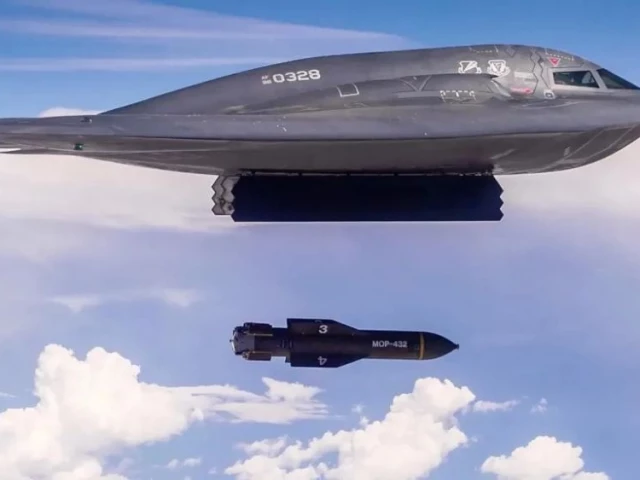
The war between the United States, Israel, and Iran has significantly disrupted global oil and gas flows, particularly through the Strait of Hormuz, which is a key transit route for energy imports to Southeast Asia.
The disruption has led to higher fuel and electricity prices across the region, with rising fertiliser costs also impacting food prices and increasing pressure on agricultural economies.
Air travel has also been affected due to higher jet fuel costs, contributing to weaker tourism demand across ASEAN countries.
Read More: ASEAN, EU Boost Cooperation on Carbon Pricing and Climate Action
The Philippines, among the most affected economies, was one of the first countries in the region to declare an energy emergency and is now advocating for a possible ASEAN-wide oil-sharing arrangement.
A draft joint statement under discussion includes proposals for emergency fuel coordination, a regional power grid, diversification of crude oil sources, expansion of renewable energy use, and potential inclusion of civilian nuclear energy in long-term planning.
ASEAN economic ministers have already identified a range of possible response measures aimed at strengthening energy and food security, although detailed commitments have not yet been disclosed.
Beyond energy concerns, leaders are also discussing contingency plans for the evacuation of citizens from the Middle East, where over one million Southeast Asians live and work, particularly in Gulf states.
Several ASEAN nationals have reportedly been killed since the escalation of the conflict earlier this year.
Read More: ASEAN Urges Myanmar to Free Aung San Suu Kyi and Other Prisoners
Alongside the Iran war fallout, the summit is also addressing longstanding regional security issues, including tensions in the South China Sea, where ASEAN and China have been negotiating a code of conduct for more than a decade.
Leaders are expected to issue a separate statement reaffirming efforts to finalise a binding framework to manage maritime disputes and reduce the risk of confrontation in contested waters.
The summit comes at a time when ASEAN members are seeking to present a unified stance despite internal differences and growing external geopolitical pressures.