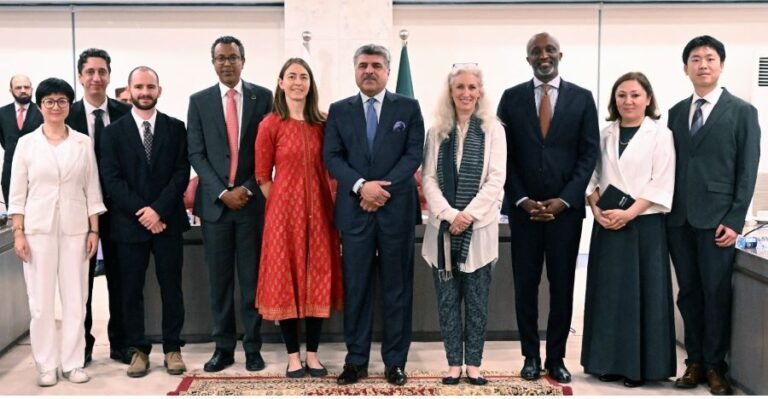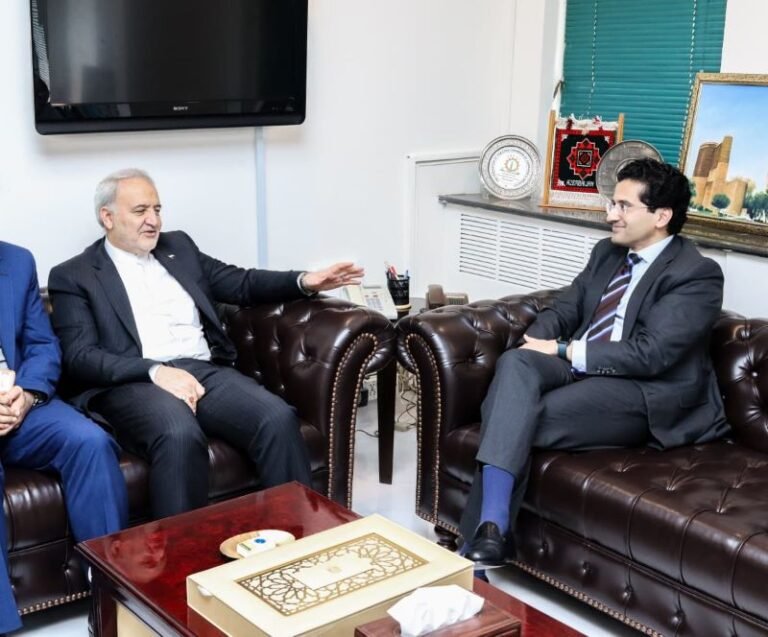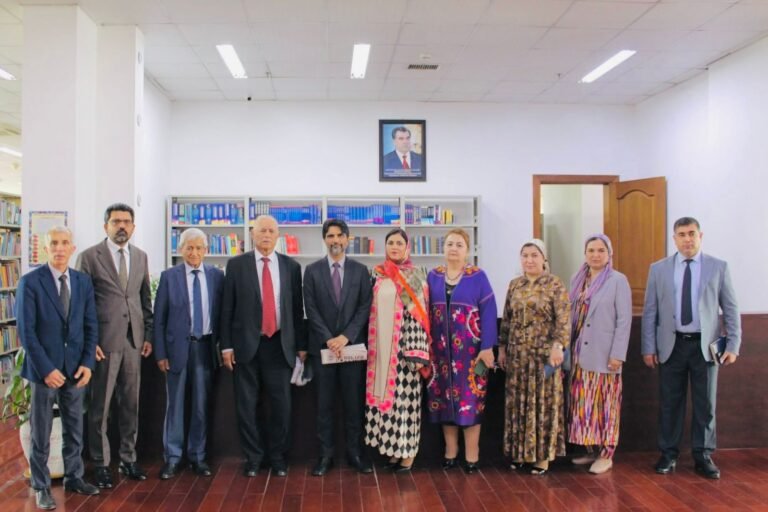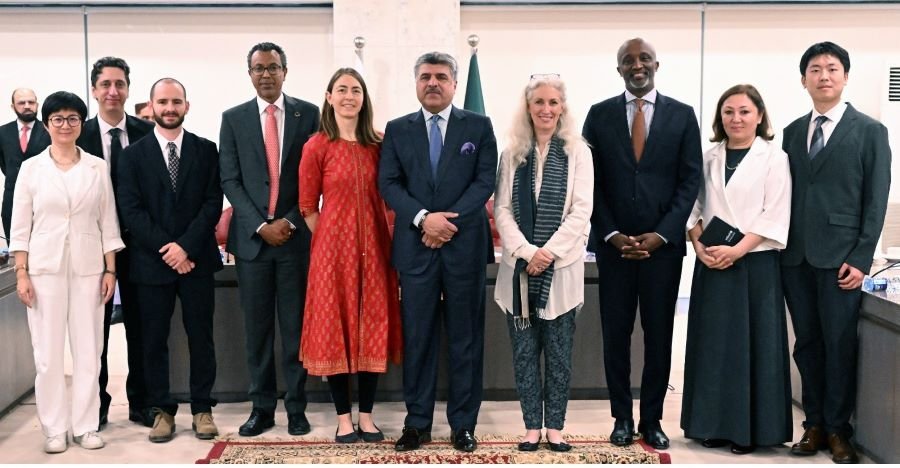
Islamabad (TDI): A delegation from UNICEF called on the Deputy Speaker of the National Assembly of Pakistan, Syed Ghulam Mustafa Shah, at Parliament House, where both sides acknowledged the urgency surrounding child rights.
During the meeting, discussions focused on key areas including education, healthcare, child protection, and environmental health.
Welcoming the delegation, the Deputy Speaker reaffirmed that safeguarding the future of children remains a top national priority. He noted that children constitute a significant portion of Pakistan’s population, stressing that sustainable national progress is deeply tied to investments in their development.
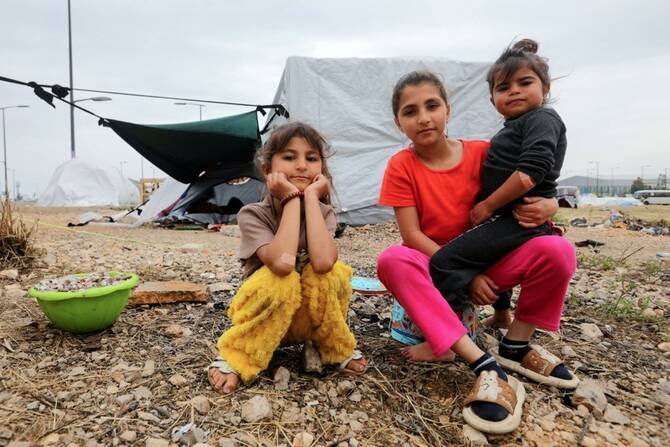
Highlighting ongoing challenges, Shah pointed out that millions of children in Pakistan still face barriers to accessing quality education, healthcare, and proper nutrition.
He called for renewed efforts to ensure that every child is enrolled in school, protected from violence and exploitation, and provided with essential services necessary for healthy development.
The Deputy Speaker also acknowledged progress in the country’s polio eradication efforts, attributing gains to sustained vaccination campaigns and strong institutional coordination. However, he emphasized that continued vigilance is critical to achieving complete eradication.
Read More: Sweden Funds UNICEF with $4.17m to Boost Humanitarian Response in Pakistan
Raising concerns over environmental health, Shah described childhood lead exposure as a serious and often overlooked public health issue.
He warned of its irreversible effects on cognitive development, as well as long-term health and economic consequences.
He urged stakeholders to address major sources of exposure, including industrial emissions, informal battery recycling, lead-based paints, and contaminated consumer products.
The UNICEF delegation commended Pakistan’s efforts in improving child welfare, particularly in immunization and progress toward polio eradication.
They stressed the importance of sustained investment in education, nutrition, and child protection systems, while also highlighting the growing need to tackle environmental health risks affecting children.
Reaffirming its commitment, UNICEF pledged continued support to Pakistan through technical assistance and on-ground interventions aimed at strengthening child-focused programs.
The meeting was also attended virtually by Dr. Nikhat Shakeel, Convener of the Parliamentary Caucus on Child Rights (PCCR), who appreciated UNICEF’s ongoing engagement.
She reiterated the Caucus’s dedication to advancing legislative and policy measures for child protection and development.
Sohail Majeed
Sohail Majeed is a Special Correspondent at The Diplomatic Insight. He has twelve plus years of experience in journalism & reporting. He covers International Affairs, Diplomacy, UN, Sports, Climate Change, Economy, Technology, and Health.