Beirut (TDI): More than one million people in Lebanon are at risk of acute food insecurity in the coming months amid escalating violence, displacement, and worsening economic conditions, the United Nations has warned.
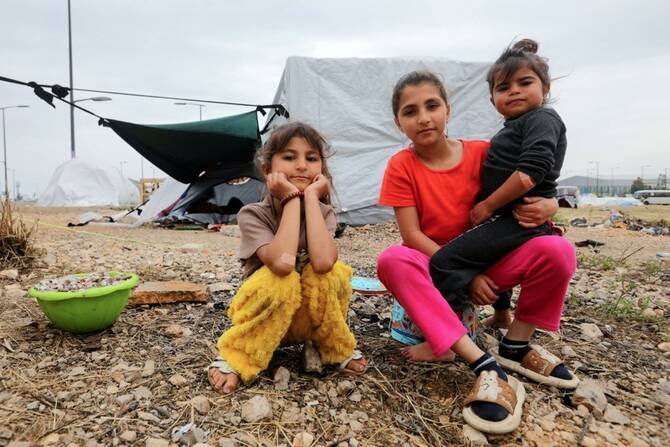
UN spokesperson Stéphane Dujarric said the situation is deteriorating rapidly, with civilians bearing the brunt of ongoing hostilities. He noted that women and children are particularly affected, facing rising psychological stress, family separation, and increased risks of gender-based violence in overcrowded shelters.
The warning comes as Israeli authorities issued new displacement orders affecting 16 areas south of the Litani River, instructing residents to move toward the city of Saida, further intensifying humanitarian pressures.
The UN said its agencies and partners are working to respond to growing needs where access allows, but operations remain severely constrained due to security and logistical challenges.
Read More: Israeli Occupation of Lebanon Threatens Civil War Amid Growing Devastation
A joint assessment by the Food and Agriculture Organization and the World Food Programme found that recent gains in food security have been reversed, pushing Lebanon back into a critical humanitarian phase.
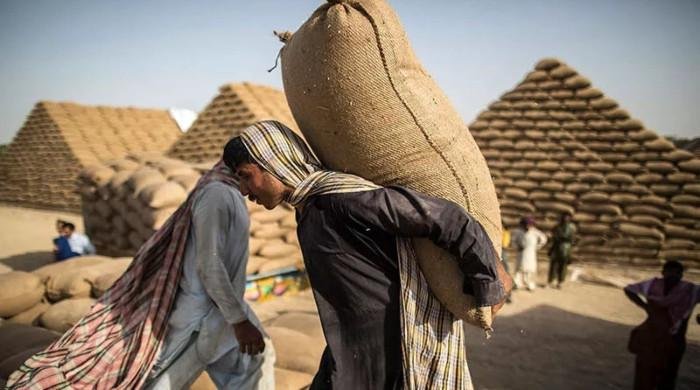
According to the latest Integrated Food Security Phase Classification, around 1.24 million people, nearly one in four of those assessed, are expected to face crisis-level food insecurity or worse through August. This means many households are being forced to adopt severe coping strategies, including skipping meals or selling essential assets.
Despite rising needs, humanitarian funding remains insufficient. The UN-backed Lebanon Flash Appeal has received just over $117 million so far, around 38 percent of the $308 million required.
Read More: Indonesia Condemns Israel After Fourth Peacekeeper Killed in Lebanon
The UN has warned that without increased funding and improved access for aid delivery, the humanitarian situation could deteriorate further, placing millions more at risk of hunger and hardship in the months ahead.