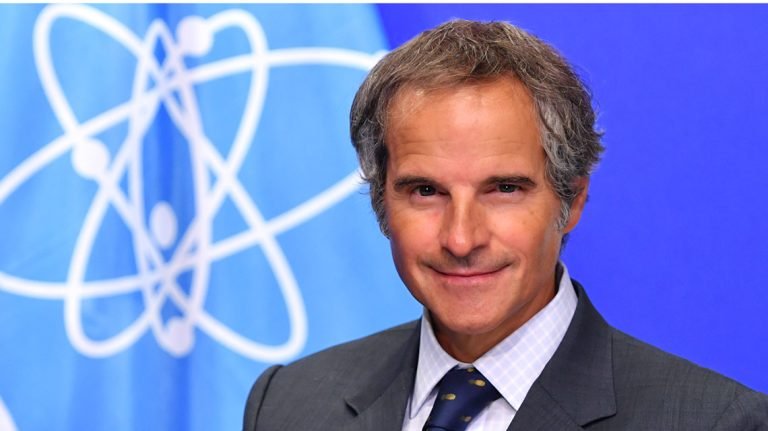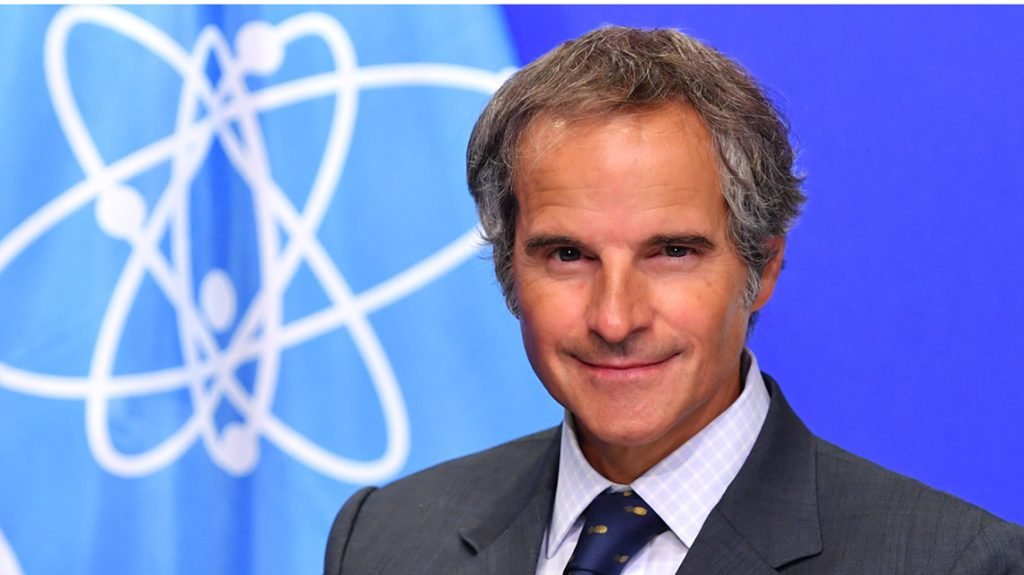
Vienna (TDI): Most of Iran’s highly enriched uranium is likely still stored at the Isfahan Nuclear Technology Center, according to chief of IAEA Rafael Grossi, who said the assessment is based on available intelligence and satellite imagery.
In an interview with AP, Grossi noted that the International Atomic Energy Agency has been unable to verify the status of the material on the ground since inspections were halted following last year’s conflict between Iran, the United States, and Israel.
The Isfahan facility was targeted during airstrikes in 2025 and again saw limited damage during subsequent hostilities. According to the IAEA’s estimates, a significant portion of Iran’s enriched uranium stockpile was already stored there when the conflict began and likely remains at the site.
Satellite images reviewed by the agency show activity at the facility shortly before the outbreak of hostilities, including the movement of containers believed to be carrying nuclear material into underground storage areas.
Grossi stressed that inspections must resume not only at Isfahan but also at other key sites such as Natanz nuclear facility and Fordo nuclear facility, where additional nuclear material is believed to be held.
Read More: IAEA Chief Warns North Korea Is Boosting Nuclear Weapons Capacity
Under the Nuclear Non-Proliferation Treaty, Iran is obligated to allow international inspections of its nuclear facilities. However, access has been restricted since the escalation of hostilities.
The IAEA estimates that Iran possesses more than 440 kilograms of uranium enriched to 60 percent purity, close to weapons-grade levels, raising international concern. Grossi has previously said that, if further enriched, the stockpile could theoretically be sufficient for multiple nuclear weapons, though Iran maintains its programme is for peaceful purposes.
Read More: IAEA Chief Warns Strikes Near Iran’s Bushehr Plant Pose Serious Nuclear Risk
The agency has also discussed with international partners, including Russia, the possibility of transferring Iran’s enriched uranium out of the country or diluting it to reduce proliferation risks, steps that would require significant political agreement.