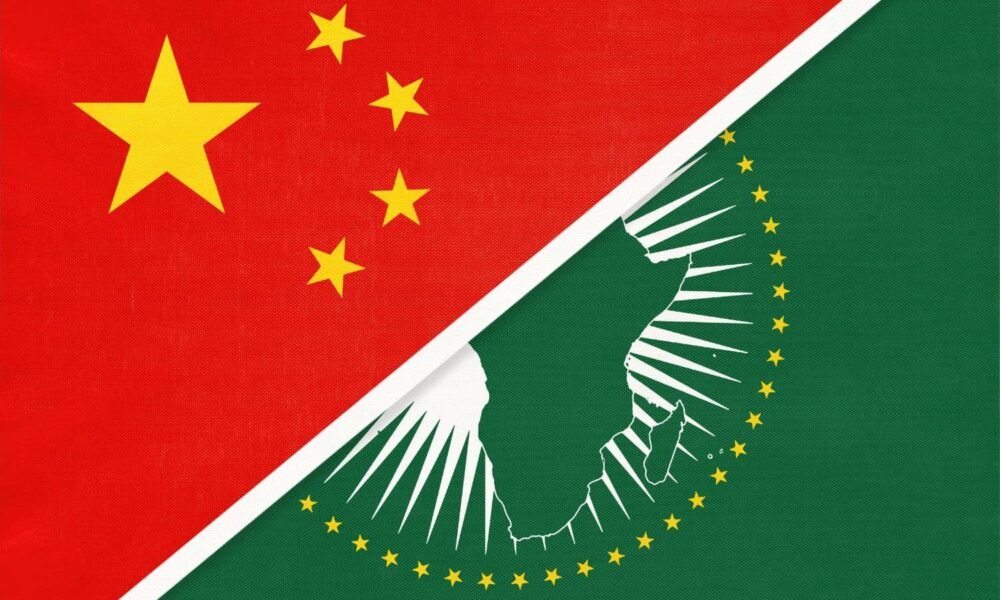
Beijing (TDI): Beijing has officially announced the expansion of its zero-tariff policy to include all African nations with which it maintains diplomatic ties.
This directive was issued by the Customs Tariff Commission of the State Council and marked the inclusion of an additional 20 African nations that were not previously classified as least developed countries.
It will be effective from May 1, 2026 through April 30, 2028 and this two-year implementation period highlights the deepening of China’s commitment to enhance high-standard market access across the continent.
This broad policy builds on the earlier move taken on 1st December 2024, when China granted zero-tariff treatment on 100 percent of tariff lines for the 33 least developed African countries with which it maintains diplomatic relations.
With this current expansion China becomes the first major global economy to provide unilateral, comprehensive zero-tariff treatment to all of its diplomatic partners across Africa.
Officials have specified that for goods currently subject to tariff quotas, only the in-quota tariff rate will be reduced to zero, while out-of-quota rates will remain unchanged.
Beyond immediate trade facilitation, the initiative serves as an innovative and phased strategy toward the eventual negotiation and signing of the China-Africa Economic Partnership for Shared Development agreement.
By formalizing ties, China aims to ensure tangible benefits for its African counterparts while providing long-term, stable, and predictable institutional safeguards necessary for deepening economic cooperation.
Read More: China-Africa Expo Showcases Trade, Tech and Growth
This approach is essentially linked to China’s 15th Five-Year Plan (2026-2030), which outlines the country’s dedication to building a high-standard open economy.
As part of this roadmap, Beijing has committed to creating a transparent regulatory environment and improving the quality of investment cooperation through 2030.
This policy is viewed as a concrete step in demonstrating China’s unwavering commitment to expanding high-standard market access, aimed at strengthening both China-Africa trade and broader African development.
For decades, African economies have largely been restricted to the role of suppliers of unprocessed raw materials, including minerals, crude oil, cocoa and timber. China’s zero-tariff policy acts as a means of transforming existing economic systems.
With the removal of trade barriers, the economic framework encourages a transition from raw material dependency to value-added production. The policy invites international corporations to establish assembly and processing facilities within the continent.
By capitalizing on local cost and maintaining access to the Chinese market, companies can effectively turn Africa into a sustainable production hub.
Over time, as industrial groups and supply chains develop and this transition is expected to enhance local manufacturing efficiency and enhance internal capacity.
Read More: China Opens 2026 Diplomatic Calendar With Foreign Minister’s Africa Tour
A consistent challenge in international development is policy instability, but China’s economic policy toward Africa has remained clear and stable for decades, providing a predictable environment for global investors. This predictability is vital for attracting long-term industrial capital and supporting industries to settle in Africa.
As investment flows increase, the policy is expected to extend existing industrial chains, create deeper industrial linkages, and promote the in-depth integration of China-Africa industrial ecosystems.
This inclusion creates a sustainable cycle where capital, technology, and market access merge, reinforcing investment confidence across the continent.
While the zero-tariff policy offers a substantial opportunity for Africa’s economic transformation and industrialization, it serves primarily as an opening rather than a total solution.
For African nations to fully seize the benefits of this initiative, continuous and focused efforts are required in critical infrastructure and governance.
Specifically, countries must prioritize the enhancement of logistics and transportation networks to facilitate the efficient movement of goods. Furthermore, securing a reliable and affordable energy supply remains vital to support industrial operations.
Finally, maintaining a favorable and stable domestic business environment is essential to ensure ongoing investor interest and the long-term success of these industrial ventures.
Ultimately, China’s zero-tariff policy represents a two-way measure that is not merely an act of opening markets, but a strategic effort to accelerate Africa’s economic transformation and modernize the process of industrialization.

Muhammad Usman Hashmi is a researcher in International Relations, focusing on climate diplomacy, global governance, and political economy in the Global South. He has contributed to policy dialogues with the Foreign Policy Community of Indonesia and serves as a Senior Research Fellow at the International Council on Human Rights, Peace and Politics. He is also associated with Rethinking Economics Islamabad, contributing to research on development and sustainability.