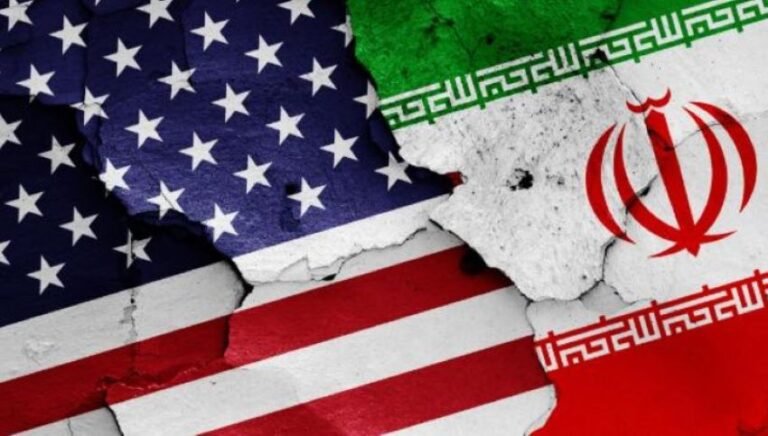
Islamabad (TDI): The United States and Iran have reached a preliminary agreement to end their conflict, halt military operations, and reopen the Strait of Hormuz, according to statements from US and Iranian officials, marking a major diplomatic breakthrough that still leaves key issues unresolved.
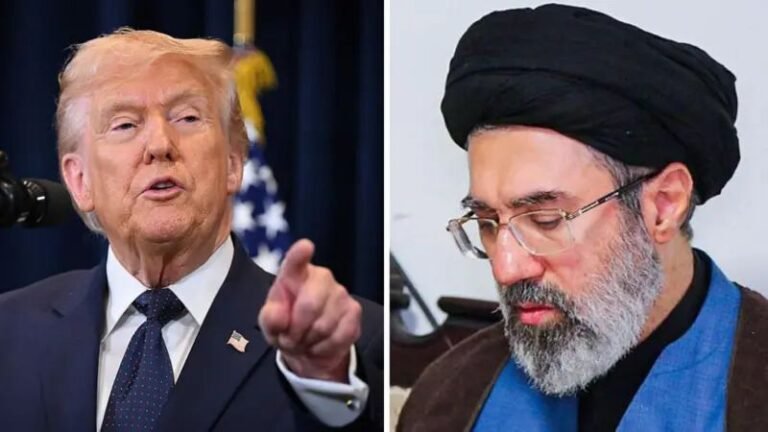
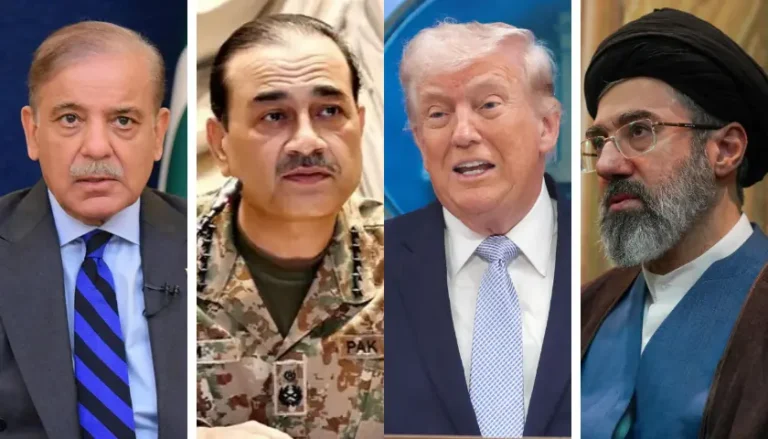
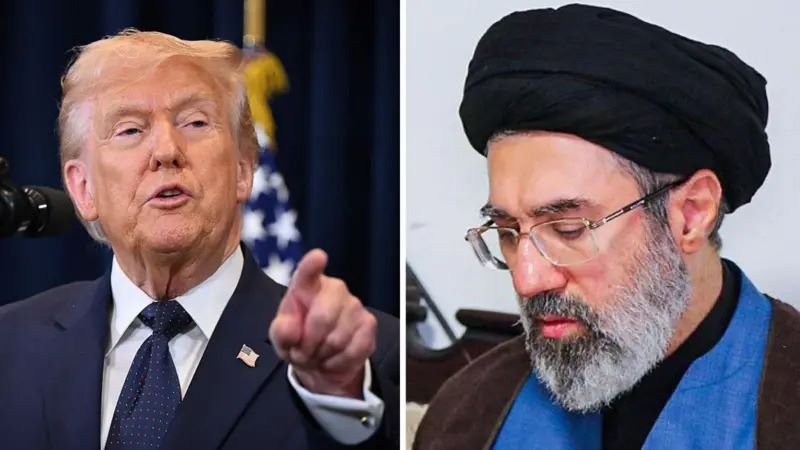
US President Donald Trump announced on his Truth Social platform that “The Deal with the Islamic Republic of Iran is now complete,” shortly after Pakistan’s Prime Minister Shehbaz Sharif confirmed that a peace agreement had been reached following intensive negotiations.
PM Shehbaz said that both sides have agreed to an “immediate and permanent termination of military operations on all fronts,” including Lebanon, with an official signing ceremony scheduled for Friday, June 19, in Switzerland.
He said mediators, including Pakistan, Qatar, Saudi Arabia and Türkiye, played a key role in facilitating the breakthrough, and that pre-implementation discussions would take place this week ahead of the formal signing.
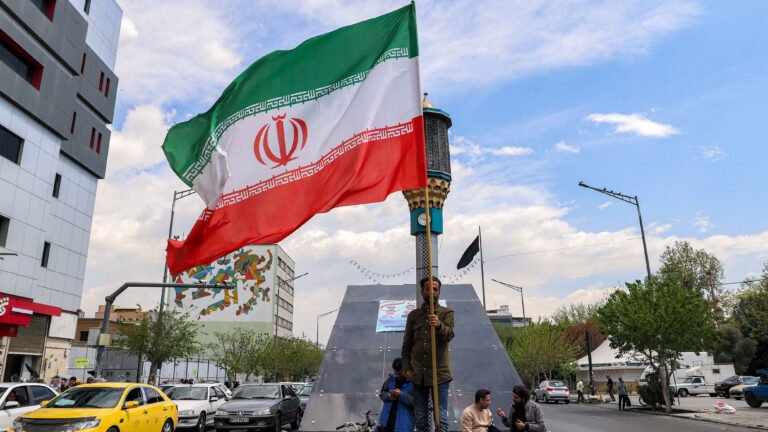
The Iranian Supreme National Security Council said military operations across all fronts would cease starting Monday night, while Iranian Deputy Foreign Minister Kazem Gharibabadi described the agreement as bringing an “immediate end” to the war, with further negotiations planned within two months on a final settlement.
Read More: Pakistan, Saudi Arabia Welcome US–Iran Talks Entering Final Stage
Under the reported framework, the Strait of Hormuz, one of the world’s most critical energy chokepoints, would be reopened, and the United States would lift its blockade on Iranian ports. Trump described the development as a signal for global shipping to resume normal operations, writing, “Ships of the World, start your engines. Let the oil flow!”
Oil markets reacted sharply to the announcement, with Brent crude falling around 4% and US benchmark West Texas Intermediate dropping more than 4.6%, while Asian equities surged on expectations of reduced geopolitical risk.
However, the details of the agreement remain limited and, in some areas, disputed. Iranian media reports suggested that the deal includes the release of billions of dollars in frozen Iranian assets and a phased negotiation process over a 60-day period to address sanctions relief and broader economic arrangements.
The future of Iran’s nuclear program remains the most sensitive unresolved issue, with sources indicating it will be addressed in follow-up negotiations. The US has long demanded strict limits on Iran’s enrichment activities and international verification mechanisms.
Read More: Trump Says Deal to be Signed Today, Iran Disputes Timing
The agreement also follows weeks of escalating hostilities that have resulted in significant casualties in Iran, Lebanon, and surrounding regions since fighting intensified earlier this year. Both sides have conducted strikes across the Strait of Hormuz and wider Gulf region, disrupting global shipping routes and energy supplies.
Israel, which has not been part of the negotiations, has yet to formally respond to the announcement. Tensions remain high after Israeli strikes in Lebanon, which Tehran condemned during the final stages of negotiations.
Western leaders welcomed the development cautiously. In a joint statement, the United Kingdom, France, Germany, and Italy expressed readiness to consider lifting sanctions if Iran takes “clear, verifiable steps” on its nuclear program, while stressing that Iran must never acquire nuclear weapons.