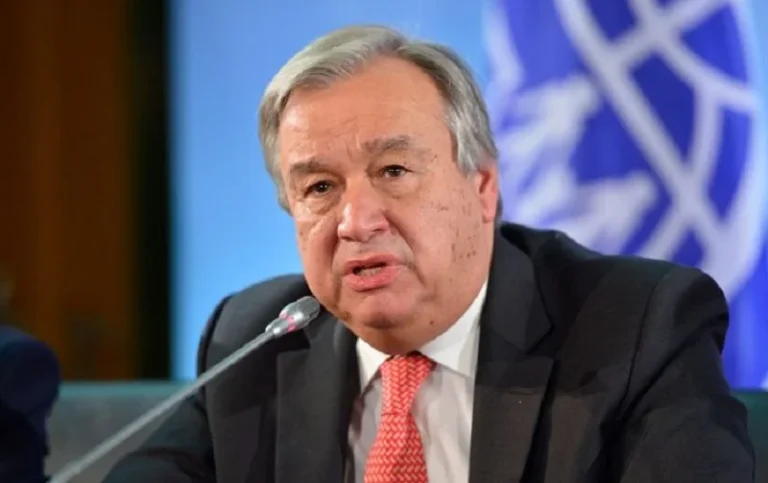
United Nations (TDI): UN Secretary-General António Guterres on Sunday welcomed the US–Iran peace agreement, describing it as a “critical step” toward ending the conflict in the Middle East and restoring stability in the region.
In a statement issued by his spokesperson, Stéphane Dujarric, Guterres said the United Nations hopes the momentum generated by the deal will lead to a comprehensive and lasting resolution of the crisis.
He urged both sides to build on the breakthrough and intensify efforts toward a final political settlement, while reaffirming the UN’s readiness to support the implementation process.
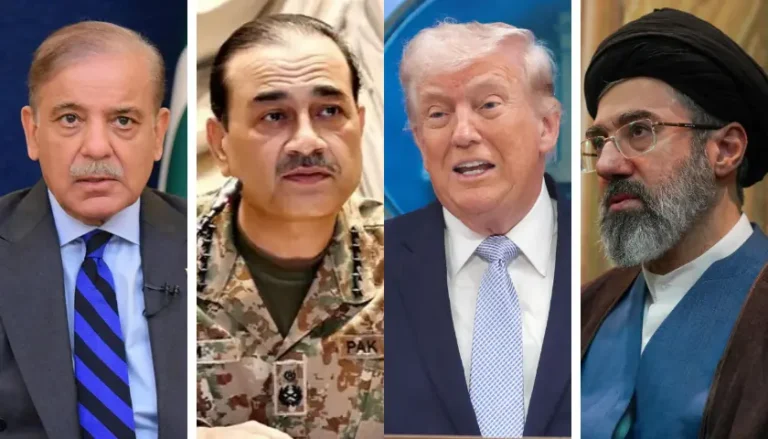
The UN chief also expressed appreciation for the diplomatic efforts of regional mediators, including Pakistan, Qatar, Egypt, Saudi Arabia and Türkiye, crediting them for helping facilitate negotiations that led to the agreement.
According to the statement, Guterres emphasized that the United Nations stands prepared to assist the parties in achieving a durable peace framework.
Read More: US–Iran Preliminary Deal Reached, Signing Set for Friday
Separately, European leaders from the E3 group, comprising the United Kingdom, France and Germany, along with Italy, said they are prepared to consider lifting sanctions on Iran if Tehran takes verifiable steps to limit its nuclear program following the agreement with the United States.
In a joint statement, the leaders stressed that Iran must never acquire a nuclear weapon and said they are ready to cooperate with the United States, Iran and the International Atomic Energy Agency (IAEA) to ensure compliance.
In Asia, Japanese Prime Minister Sanae Takaichi also welcomed the deal, calling it an important step toward ending hostilities. She said Japan hopes for the full and practical implementation of the agreement, including the reopening of the Strait of Hormuz for international shipping.
Read More: UAE Rejects $20bn Iranian Asset Release Reports
Posting on social media platform X, Takaichi stressed the importance of ensuring safe and uninterrupted navigation through the strategic waterway and called for a swift final agreement on Iran’s nuclear issue and related matters.
The coordinated international response reflects cautious optimism over the agreement, even as key technical details and long-term arrangements are expected to be finalized in follow-up negotiations.