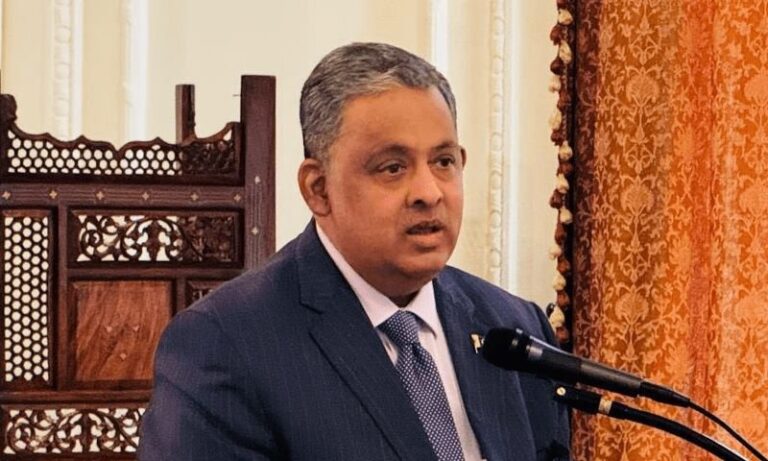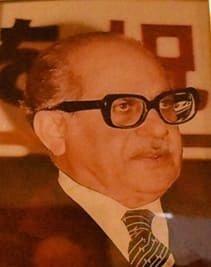
In the years when Pakistan was gradually expanding the scope of its diplomacy beyond traditional political engagement, Ambassador Qamar ul Islam emerged as one of the figures associated with the growing importance of economic diplomacy.
A senior member of the Civil Service of Pakistan (CSP), his career reflected a period when diplomacy increasingly became connected with trade, development, and institutional cooperation.
Before his diplomatic assignments abroad, Qamar ul Islam served as Deputy Chairman of Pakistan’s Planning Commission from 1971 to 1973. It was a challenging period for the country’s economic planning institutions and his experience in economic administration would later shape his diplomatic outlook.
At a time when many states were beginning to view economic cooperation as a central element of foreign policy, Pakistan was also seeking stronger commercial and institutional ties with international partners.
When he arrived in Brussels in December 1973 as Pakistan’s Ambassador to Belgium, Europe itself was passing through an important phase of political and economic integration.
???????????????? ???????????? ????????????????????????????????
An important figure in Economic Diplomacy: Ambassador H.E. Qamar ul Islam
A senior member of the Civil Service of Pakistan (CSP), Ambassador Qamar Ul Islam served as Deputy Chairman Planning Commission (1971 – 1973) before his appointment as… pic.twitter.com/VijcM2vY0e
— Pakistan Embassy Belgium (@PakinBrussels) May 6, 2026
The European Economic Community (EEC) was gradually increasing its external engagement, creating new opportunities for countries aiming for closer trade and investment relations with Europe.
During his tenure, which lasted until January 1979, Ambassador Qamar ul Islam became associated with efforts to strengthen Pakistan’s engagement not only with Belgium and Luxembourg but also with the wider European institutions.
This period witnessed a progressive deepening of Pakistan-Europe economic relations, with increasing attention given to trade linkages, development cooperation, and investment opportunities.
His diplomatic approach reflected a broader shift taking place within Pakistan’s foreign policy establishment. Earlier diplomatic efforts had often focused primarily on political representation but by the 1970s economic diplomacy was becoming increasingly significant.
Missions abroad were expected not only to maintain political relations but also to facilitate commercial partnerships and support economic engagement.
Read More: Archives: The Diplomat Who Helped Shape Pakistan-Belgium Ties
Following his assignment in Europe, Ambassador Qamar ul Islam was appointed Ambassador of Pakistan to Japan, serving from January 1979 until December 1984. Japan’s emergence as a major economic power during that era made the posting particularly significant, especially for countries seeking industrial and developmental partnerships in Asia.
Even after his diplomatic service overseas, he remained involved in public policy and institutional reform. From 1985 to 1988, he served as Chairman of Pakistan’s National Taxation Reforms Commission (NTRC) contributing to discussions surrounding taxation policy and administrative modernization.
Today, Ambassador Qamar ul Islam is remembered as part of a generation of Pakistani diplomats and policymakers who helped place greater emphasis on economic engagement within foreign policy.
His career reflected a period when Pakistan’s diplomatic outreach increasingly incorporated trade, investment and long-term economic cooperation as important dimensions of international relations.

Muhammad Usman Hashmi is a researcher in International Relations, focusing on climate diplomacy, global governance, and political economy in the Global South. He has contributed to policy dialogues with the Foreign Policy Community of Indonesia and serves as a Senior Research Fellow at the International Council on Human Rights, Peace and Politics. He is also associated with Rethinking Economics Islamabad, contributing to research on development and sustainability.