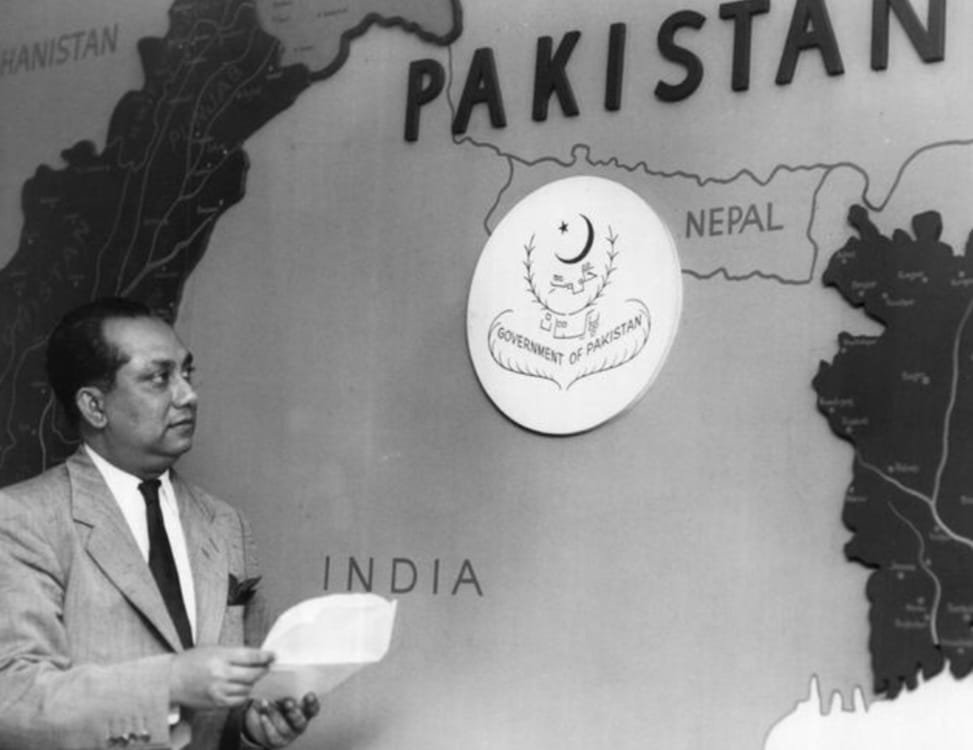
In the early years after independence as Pakistan began defining its place in a rapidly changing world, its diplomatic missions carried a responsibility far beyond routine representation. Among those shaping this effort was Ambassador Habibur Rahman – Pakistan’s second envoy to Belgium.
Serving from 1956 to 1958, Rahman’s tenure came at a time when global alliances were being redrawn in the aftermath of World War II. His work reflected a deliberate shift from limited engagement to a broader, more structured partnership between Pakistan and Belgium.
At the heart of his mission was the alignment of Pakistan into the evolving international system. This required more than political dialogue as it meant building the legal and economic foundations necessary for a newly independent state to engage confidently with European partners.
Ambassador Rahman’s approach emphasized precisely that, creating frameworks that would sustain long-term cooperation. One of the defining moments of his tenure was the conclusion of an extradition treaty between the two countries.
𝐹𝓇𝑜𝓂 𝓉𝒽𝑒 𝒜𝓇𝒸𝒽𝒾𝓋𝑒𝓈
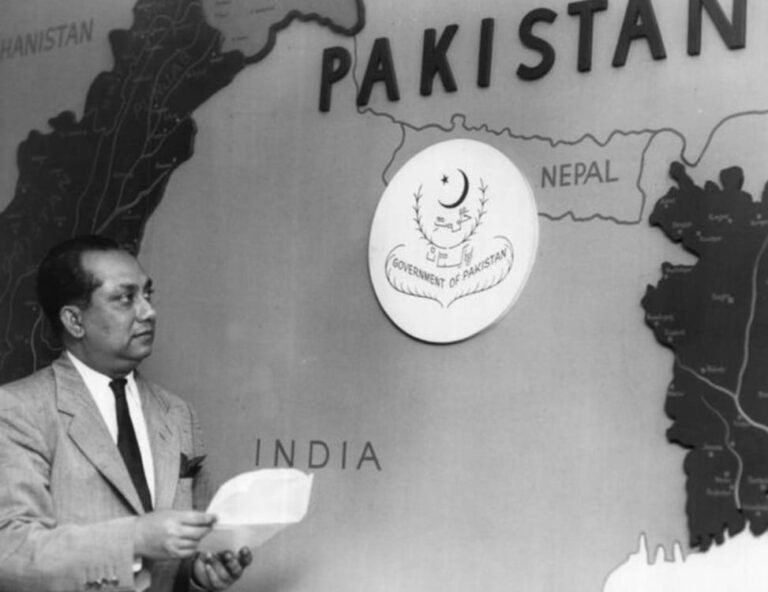
Pakistan’s Second Ambassador to Belgium: H.E. Habibur RahmanA member of the early cohort of the Foreign Service of Pakistan, H.E. Habibur Rahman enjoyed an illustrious career as a Diplomat and technocrat.
He served as Pakistan’s second… pic.twitter.com/699coqQLqF— Pakistan Embassy Belgium (@PakinBrussels) April 8, 2026
The agreement established a formal legal mechanism for the exchange of prisoners, marking an early step toward institutionalized judicial collaboration and mutual trust. Beyond formal agreements, Rahman recognized the importance of human connections in diplomacy.
His efforts encouraged the development of early people-to-people linkages, laying the groundwork for cultural exchange initiatives that would later become a lasting feature of bilateral relations.
Economic cooperation also featured significantly in his work. By encouraging Belgian investment in Pakistan’s emerging industrial sector, he sought to align shared interests outlined in the early post-independence understanding between the two countries.
These initiatives contributed to the increase of trade missions in Brussels and Karachi, strengthening commercial ties during a formative period.
Read More: Archives: A Hockey Trophy Gift From Pakistan & the Ambassador Who Presented It
Ambassador Rahman brought to Brussels a diverse diplomatic background. Prior to this posting, he had served as Pakistan’s High Commissioner to Australia and New Zealand from 1953 to 1955.
His experience, as a diplomat and a policy expert, enabled him to navigate the complexities of international engagement at a time when institutions and alliances were still taking shape.
His public service continued after his diplomatic career as he went on to hold key cabinet positions, including Minister for Education, Information and Broadcasting and Minority Affairs between 1958 and 1960. In these roles, he contributed to the early administrative and policy development of the country.
Today, his tenure stands as part of a broader story; one in which the foundations of Pakistan’s engagement with Europe were gradually built through diplomacy that combined legal frameworks, economic outreach, and cultural connection.

Muhammad Usman Hashmi is a researcher in International Relations, focusing on climate diplomacy, global governance, and political economy in the Global South. He has contributed to policy dialogues with the Foreign Policy Community of Indonesia and serves as a Senior Research Fellow at the International Council on Human Rights, Peace and Politics. He is also associated with Rethinking Economics Islamabad, contributing to research on development and sustainability.