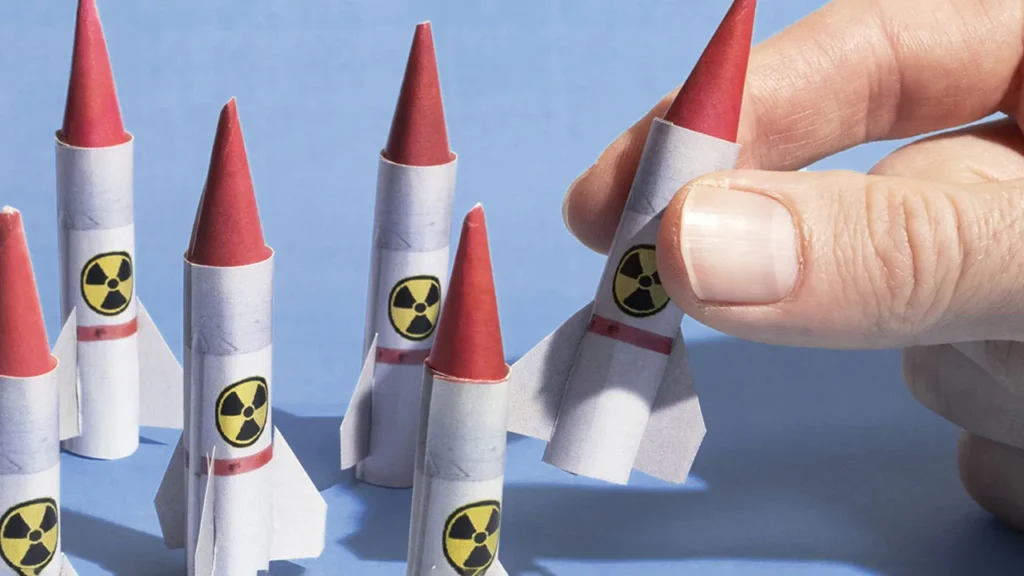
Washington (TDI): The administration of US President Donald Trump has approved more than $8.6 billion in military sales to key Middle Eastern allies, bypassing the usual congressional review process by invoking emergency powers.
According to the US State Department, Secretary of State Marco Rubio authorised the move on the grounds of an “emergency,” allowing the arms deals to proceed without the standard legislative oversight.
The approved packages include a $4.01 billion deal with Qatar for Patriot air and missile defense system support, along with an additional $992.4 million for Advanced Precision Kill Weapon Systems (APKWS). Kuwait will receive an integrated battle command system valued at $2.5 billion, while Israel and the United Arab Emirates have been cleared to purchase APKWS worth $992.4 million and $147.6 million respectively.
Major defense contractors involved in the deals include BAE Systems, RTX, Lockheed Martin and Northrop Grumman.
The announcement comes amid heightened regional tensions following the conflict involving the United States, Israel and Iran, which has continued for weeks despite a fragile ceasefire.
Read More: Big Guns, Big Stakes: US Approves Arms Sales to Israel, Saudi Arabia
Washington says the arms transfers are aimed at strengthening the defensive capabilities of its regional partners, particularly in light of ongoing security challenges.
However, the decision to bypass Congress has drawn scrutiny, as US law typically requires lawmakers to review and potentially block major foreign military sales. Invoking emergency authority to avoid that process is rare and often controversial.
Read More: The New Weapons and the New Arms Race
At the same time, US military and political support for Israel remains under international focus, particularly over the humanitarian impact of the Gaza conflict. Israel maintains that its actions are in self-defense, while critics, including rights groups and UN bodies, have raised concerns over civilian casualties and broader humanitarian consequences.
The latest move underscores Washington’s continued strategic commitment to its allies in the Middle East, even as the region faces escalating instability and economic fallout linked to ongoing conflicts.