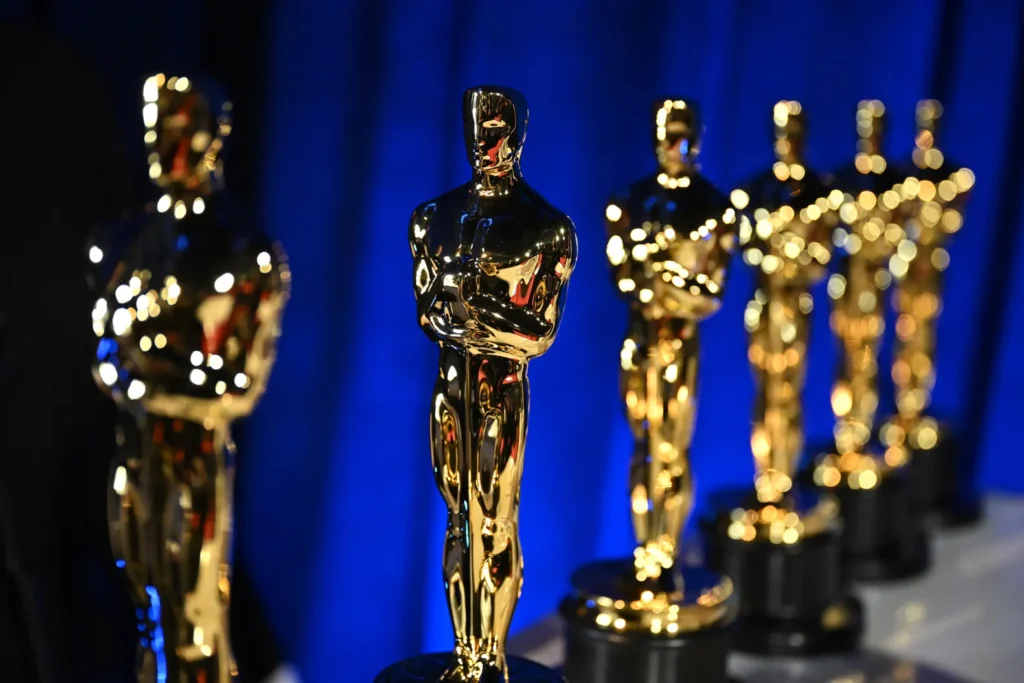
The Academy of Motion Picture Arts and Sciences has introduced new rules that effectively bar artificial intelligence performers and fully AI-written scripts from competing for Oscars; a move that safeguards human creativity in filmmaking.
Under the updated eligibility guidelines, only performances “demonstrably performed by humans with their consent” will qualify for acting nominations.
Similarly, screenplays must be “human-authored” to be considered for writing categories, although filmmakers are still allowed to use AI tools during production as long as final creative authorship remains human.
The decision marks one of the Academy’s most direct responses yet to the rapid rise of generative AI in Hollywood. Concerns have grown across the industry that AI could replicate performances or generate scripts at scale, potentially undermining human jobs and creative credit.
The issue gained urgency following recent controversies around AI-generated actors and deep-fake recreations of deceased performers, which sparked backlash from industry unions and creative professionals.
Read More: Record-breaking wins & history-makers: Highlights of 95th Oscars
According to the new rules, “synthetic” performers are explicitly excluded from award consideration. The Academy also confirmed it may request additional verification from filmmakers to ensure that submitted work meets human authorship standards.
The changes will take effect for the 99th Academy Awards, scheduled for March 2027. Alongside AI-related restrictions, the Academy also introduced broader reforms, including updates to international film eligibility and adjustments to acting nomination rules that now allow performers to receive multiple nominations in the same category for different roles.
Industry reactions have been mixed but largely centered on questions of enforcement. While the Academy’s stance clearly prioritizes human artistic labor, critics note that distinguishing between AI-assisted and AI-generated writing or performance may be difficult in practice.
Some filmmakers argue that AI will still play a significant behind-the-scenes role in editing, visual effects, and development, even if it is barred from receiving credit.
Supporters of the decision, however, view it as a necessary boundary-setting move at a time when generative AI is rapidly reshaping creative industries.
By reaffirming that Oscars remain an award for human achievement, the Academy appears intent on preserving traditional definitions of authorship and performance.