Washington (TDI): The United States has described Israel-Lebanon negotiations held in Washington as “positive and productive,” while confirming that further rounds of talks are expected to continue as efforts intensify to manage escalating cross-border conflict involving Hezbollah.
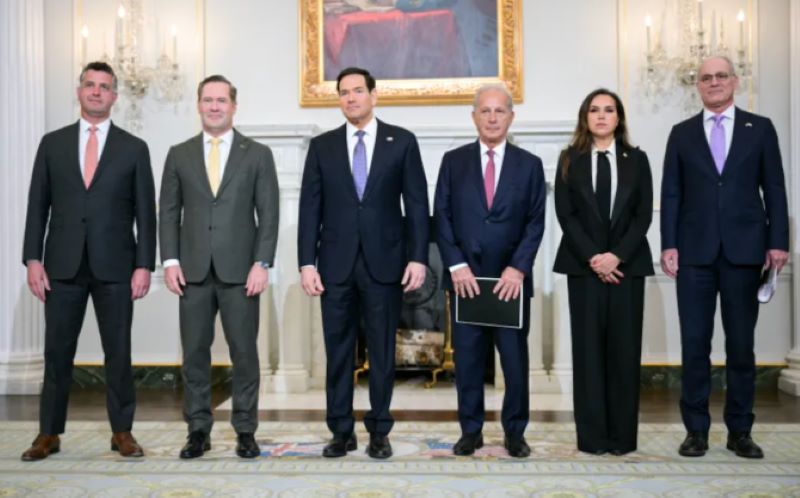
According to the US State Department, discussions between Israeli and Lebanese representatives, with US officials present, lasted several hours and focused on ways to de-escalate tensions and move toward a broader political settlement. Officials said the talks were constructive and would resume in follow-up meetings.
The negotiations come amid continued hostilities between Israel and Hezbollah, despite a US-backed truce announced last month. Fighting has persisted, particularly in southern Lebanon, with both sides reporting ongoing strikes and retaliatory attacks.
A senior Lebanese official said Beirut is seeking an immediate ceasefire and wants Israel to halt military operations as part of any diplomatic arrangement. Lebanon has also reiterated its position that any agreement must include Israeli withdrawal from occupied areas and progress toward stabilizing the border, according to Reuters.
On the Israeli side, officials have indicated that a key objective of the talks is the disarmament of Hezbollah and the establishment of long-term security guarantees along the northern frontier. Israel has continued military operations in southern Lebanon, stating that they are aimed at preventing cross-border attacks.
Read More: China Welcomes Israel-Lebanon Ceasefire Agreement
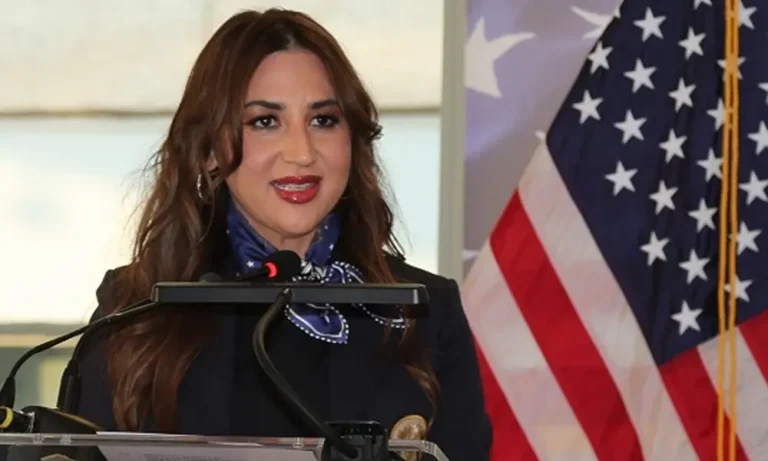
The discussions represent one of the highest levels of direct engagement between Lebanon and Israel in decades, with both sides expanding their delegations compared to previous rounds. The meeting included Lebanese presidential envoy Simon Karam and Israeli deputy national security adviser Yossi Draznin, along with senior military representatives.
Read More: US, Allies Seek Israel-Lebanon Ceasefire
The US has positioned itself as a central mediator, linking the talks to broader regional diplomatic efforts. Washington officials said the negotiations are part of a wider attempt to stabilize multiple interconnected conflicts in the Middle East, including tensions involving Iran.