Havana (TDI): The Minister of Energy and Mines of Cuba, Vicente de la O Levy, issued a formal acknowledgment on regarding the total depletion of diesel and fuel oil stocks across the island.
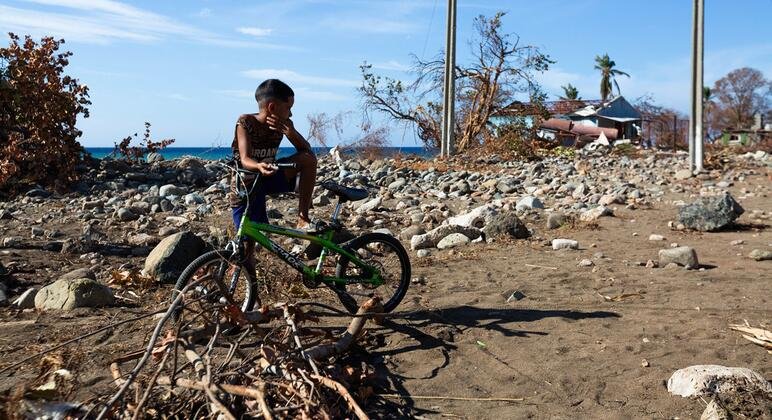
In an interview with state media, the Minister reported that the national power grid has entered a critical state leaving several Havana districts without electricity for up to 22 hours a day.
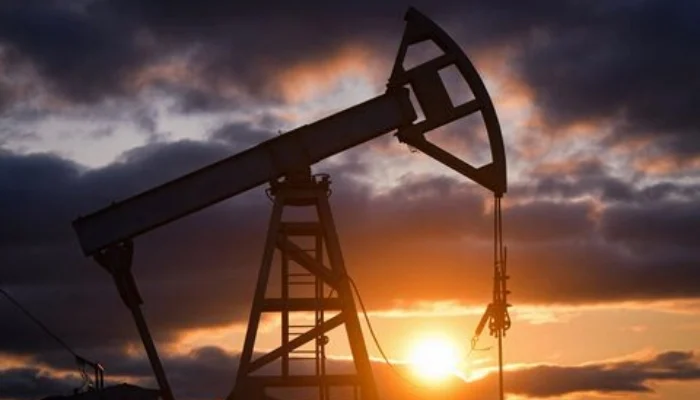
He noted that the country is currently operating almost entirely on domestic natural gas and limited crude oil resources.
Cuba’s President Miguel Díaz-Canel has attributed the current energy deficit to an external blockade which he described as an intentional attempt to restrain the national economy.
The President pointed out that while the island requires approximately eight fuel tankers per month to maintain stability, only one shipment reached Cuban ports on 31 March 2026.
The Energy Minister’s statement has further confirmed that the lack of imported fuel has severely blocked the maintenance of the nation’s aging thermoelectric infrastructure.
Read More: Trump Expands Sanctions on Cuba, Targets Key Sectors
The current situation involves a wave of impulsive protests that surfaced in several Havana neighborhoods on late Wednesday, while residents in areas such as San Miguel del Padrón also took to the streets, blocking roads and banging pots to express grievances over the lack of electricity and food.
This situation is further deteriorated by the highly politicized nature of the crisis, with the government repeatedly calling for international solidarity against external economic pressures such that independent on-the-ground verification remains limited due to the fluid and rapidly evolving conditions in the capital.
Beyond the domestic energy deficit, the crisis has drawn significant attention from global media outlets including the BBC and Reuters.
The Cuban government has affirmed that it remains open to fuel purchases from any willing supplier as the shipments from traditional regional partners have decreased in recent months.
While the situation remains volatile, the Energy Minister Levy has stressed that incoming tankers would provide only temporary relief without a sustained and predictable supply chain. This confirmation marks a major point in the ongoing economic challenges facing the Caribbean nation.
President Díaz-Canel has highlighted that the government aims to lead efforts to manage the crisis despite the severe limitations placed on fuel imports. The international community continues to monitor the situation as reports of protests continue in various parts of the country.

Muhammad Usman Hashmi is a researcher in International Relations, focusing on climate diplomacy, global governance, and political economy in the Global South. He has contributed to policy dialogues with the Foreign Policy Community of Indonesia and serves as a Senior Research Fellow at the International Council on Human Rights, Peace and Politics. He is also associated with Rethinking Economics Islamabad, contributing to research on development and sustainability.