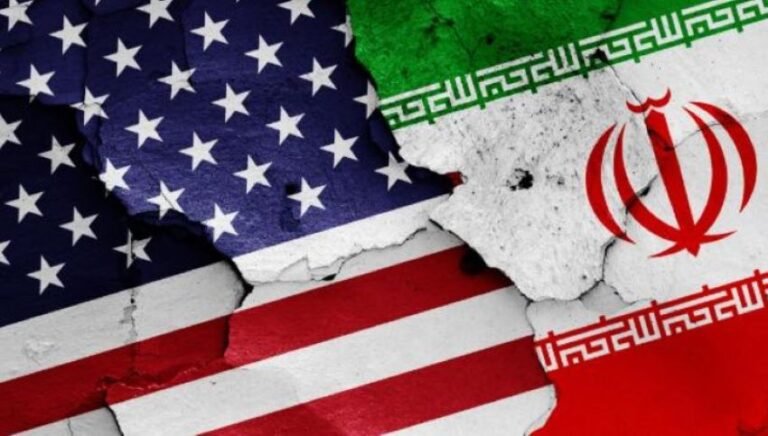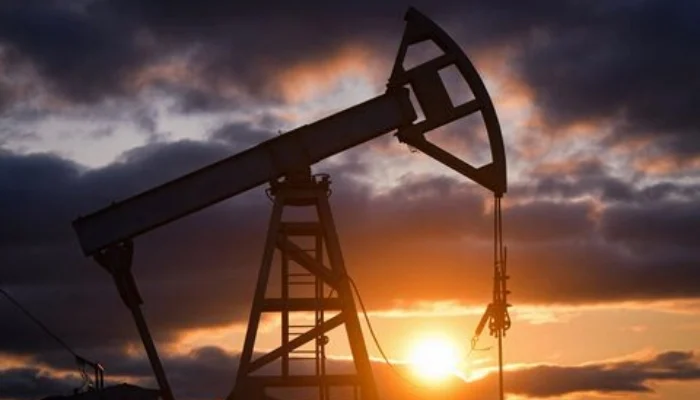
New York (TDI): Oil prices fell to their lowest levels since March on Monday after the United States and Iran announced a preliminary agreement to end their conflict and move towards reopening the Strait of Hormuz, easing fears of prolonged disruptions to global energy supplies.
Brent crude futures dropped $4.08, or 4.7 per cent, to $83.25 a barrel by early trading, while US West Texas Intermediate crude fell $4.35, or 5.1pc, to $80.53 a barrel. Both benchmarks touched their lowest levels since March 10 after extending losses from the previous session.
The sharp decline followed announcements from US President Donald Trump and Iranian Deputy Foreign Minister Kazem Gharibabadi that the two countries had reached an initial framework agreement aimed at ending months of hostilities.
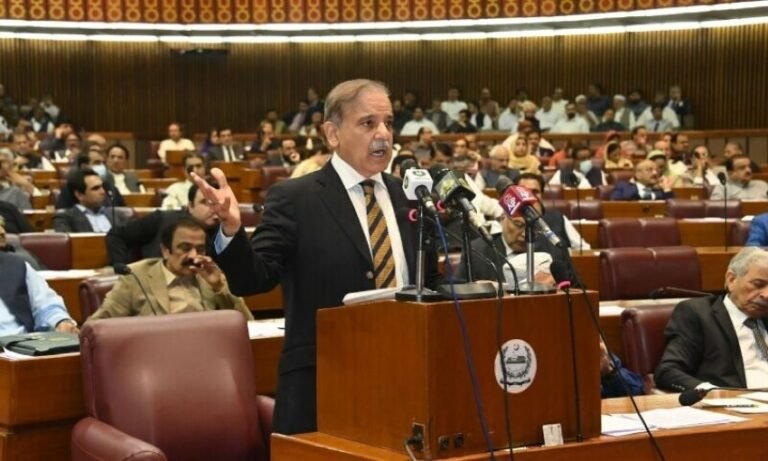
Prime Minister Shehbaz Sharif, who first announced the breakthrough, said the memorandum of understanding would be formally signed in Switzerland on Friday.
Read More: Pakistan to Host US-Iran Peace Deal Signing Ceremony in Geneva: PM Shehbaz
Trump said the Strait of Hormuz would reopen and that the US naval blockade on Iranian ports would be lifted, paving the way for the gradual restoration of energy shipments through one of the world’s most critical maritime trade routes.
Iran’s semi-official Mehr news agency reported that the draft agreement envisages the reopening of the Strait of Hormuz within 30 days under arrangements coordinated by Tehran.
Market analysts said traders were rapidly removing the geopolitical risk premium that had built up during months of conflict and supply disruptions.
The closure of the Strait of Hormuz, through which roughly one-fifth of global oil and liquefied natural gas supplies normally pass, had disrupted millions of barrels of daily exports and contributed to sustained pressure on global energy markets.
Investors are now closely watching how quickly oil producers in the Gulf can restore exports and whether shipping traffic through the strategic waterway returns to normal levels.
Attention is also turning to follow-up negotiations between Washington and Tehran. Gharibabadi said broader discussions on a final agreement would take place during a 60-day ceasefire period.
Read More: US–Iran Preliminary Deal Reached, Signing Set for Friday
Meanwhile, the United Kingdom, France, Germany and Italy signalled their willingness to consider lifting sanctions on Iran if Tehran takes verifiable steps to address concerns surrounding its nuclear program.
Analysts cautioned that while the agreement has improved market sentiment, the recovery of energy infrastructure, shipping operations and regional trade networks could take time.