London (TDI): Global oil prices have fallen sharply after the United States and Iran agreed to a conditional two-week ceasefire that includes the reopening of the Strait of Hormuz.
Benchmark Brent crude dropped about 13 percent to $94.80 per barrel, while US-traded oil fell more than 15 percent to $95.75 per barrel. Prices remain above the $70 level recorded before the conflict began on February 28.
The cost of energy surged after Iran threatened to attack ships using the strait in retaliation to US and Israeli airstrikes. This severely disrupted oil and gas supplies from the Middle East.
Iran has targeted energy and industrial infrastructure across the region, causing damage that could take months or years to repair. Asian countries, heavily reliant on Gulf energy, have been particularly affected.
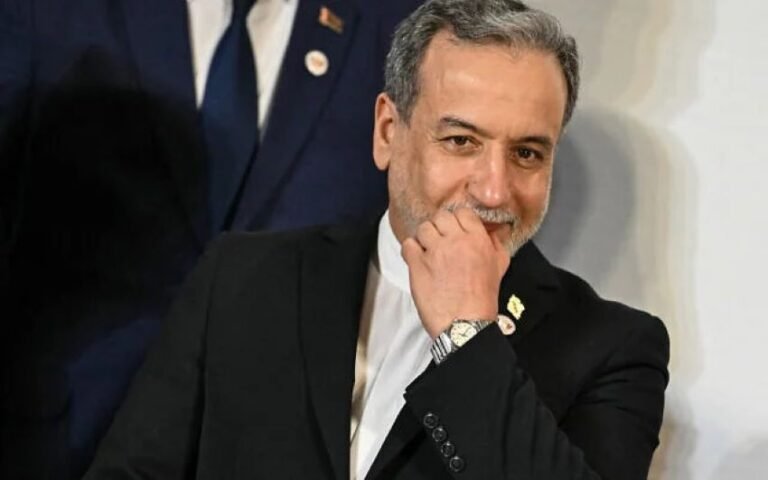
Iranian Foreign Minister Abbas Araghchi stated that Tehran will agree to the ceasefire if attacks against Iran are halted, adding that safe passage through the strait will be possible.
Major stock indexes in the Asia Pacific region rose sharply on Wednesday morning. Japan’s Nikkei 225 gained 5 percent, South Korea’s Kospi jumped nearly 6 percent, Hong Kong’s Hang Seng rose 2.8 percent, and Australia’s ASX 200 gained 2.7 percent.
Read More: Oil Prices Jump Above $110 as Iran War Disrupts Global Supply
US stock market futures also pointed to a higher open for Wall Street. The ceasefire is expected to allow more oil tankers to pass through the strait in the coming weeks, easing supply disruptions.
The cost of energy surged after Iran threatened to attack ships using the strait in retaliation to US and Israeli airstrikes. This severely disrupted oil and gas supplies from the Middle East.
Iran has targeted energy and industrial infrastructure across the region, causing damage that could take months or years to repair. Asian countries, heavily reliant on Gulf energy, have been particularly affected
The deal provides immediate relief to global energy markets, although analysts note that full production recovery may take time. Some ships have already passed through the strait during the conflict, including vessels from China, India, Malaysia, the Philippines, and Japan.
The ceasefire marks a temporary de-escalation after weeks of heightened tensions that disrupted global oil flows through the vital waterway, which handles about one-fifth of the world’s oil and gas supply.

Muhammad Usman Hashmi is a researcher in International Relations, focusing on climate diplomacy, global governance, and political economy in the Global South. He has contributed to policy dialogues with the Foreign Policy Community of Indonesia and serves as a Senior Research Fellow at the International Council on Human Rights, Peace and Politics. He is also associated with Rethinking Economics Islamabad, contributing to research on development and sustainability.