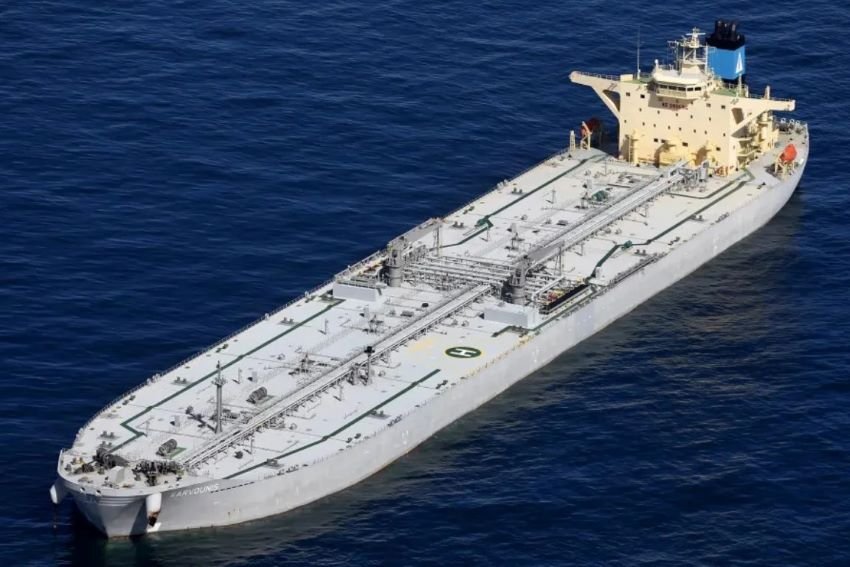
Washington (TDI): The Trump administration has renewed a temporary waiver allowing countries to continue purchasing Russian oil transported by sea, even as criticism grows over its approach to sanctions during ongoing global conflicts.
The US Treasury Department said the waiver permits the purchase of Russian oil and petroleum products loaded onto vessels up to May 16. It replaces a previous 30-day exemption that had expired earlier in April and excludes transactions involving Iran, Cuba, and North Korea.
The decision comes amid efforts by Washington to stabilise global energy markets, which have faced sharp price fluctuations during the US–Iran conflict and wider regional tensions. Several countries, particularly in Asia, had reportedly urged the US to ensure continued oil supply access to ease price pressures.
A Treasury spokesperson said the move is intended to ensure sufficient oil availability as negotiations involving Iran continue to develop.
The renewal marks a shift from earlier remarks by US Treasury Secretary Scott Bessent, who had indicated that waivers for Russian and Iranian oil would not be extended.
Read More: Russian Oil Tanker Reaches Cuba Despite US Restrictions
Global oil prices recently fell after temporary easing in Strait of Hormuz tensions, but the wider conflict has already caused major disruptions in global energy supply chains, according to international energy observers.
The war in the Middle East has damaged numerous oil and gas facilities, while Iran has warned it could again restrict access to the Strait of Hormuz if tensions escalate further.
The issue of high oil prices has also become politically sensitive in the United States, particularly ahead of upcoming elections, adding pressure on the administration to balance sanctions with market stability.
Read More: US Temporarily Allows Sale of Russian Oil to Ease Global Energy Crisis
US lawmakers from both parties have criticized the waiver policy, arguing it weakens sanctions pressure on both Russia and Iran at a sensitive geopolitical moment. European officials have also urged Washington to maintain strict sanctions on Moscow.
Analysts say the decision reflects the difficulty of managing global energy stability amid overlapping conflicts, with some warning that available policy tools are becoming increasingly limited.