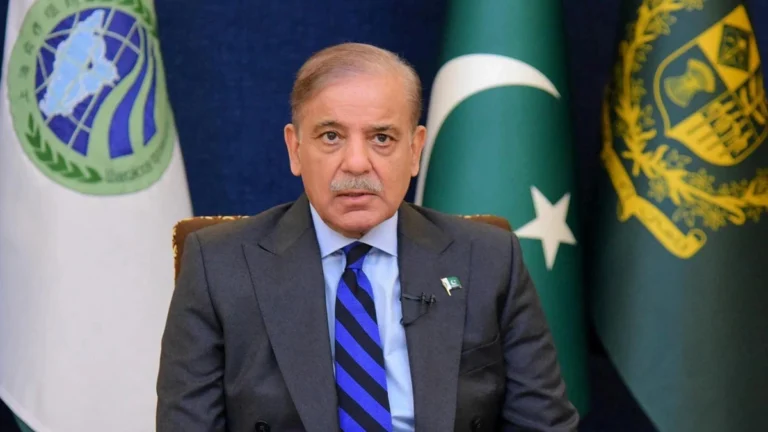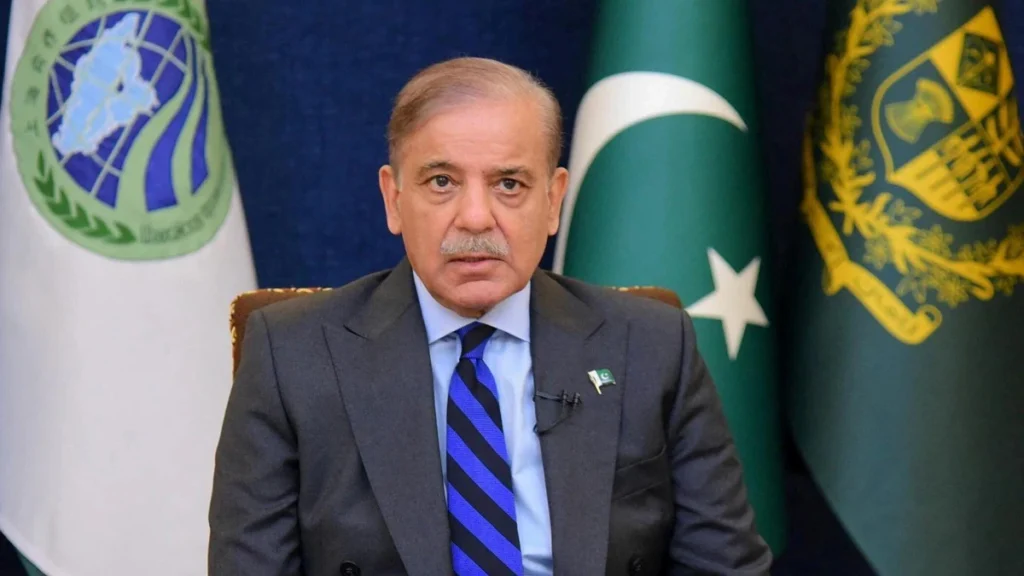
Islamabad (TDI): Prime Minister Shehbaz Sharif said early Thursday that the United States and Iran have formally signed a memorandum of understanding electronically, describing it as a landmark diplomatic breakthrough aimed at ending months of conflict and restoring stability in the region.
In a post on social media platform X, the prime minister said the agreement, referred to as the “Islamabad Memorandum of Understanding”, was endorsed at the highest political level by both sides and mediated with Pakistan’s facilitation.
He said the accord will take effect immediately, under which Iran will “instantly” reopen the Strait of Hormuz, while the United States will lift its naval blockade without delay.
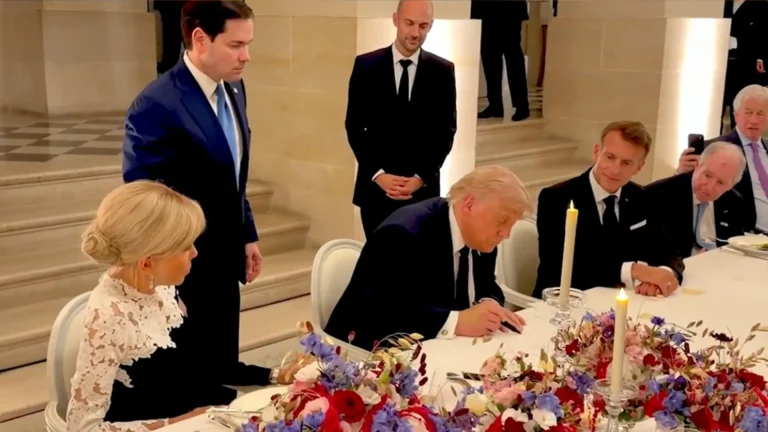
US President Donald Trump signed the agreement during a gathering at the Palace of Versailles following the G7 summit, according to video shared by aides, while Iranian officials also confirmed the document was finalized with signatures from both sides.
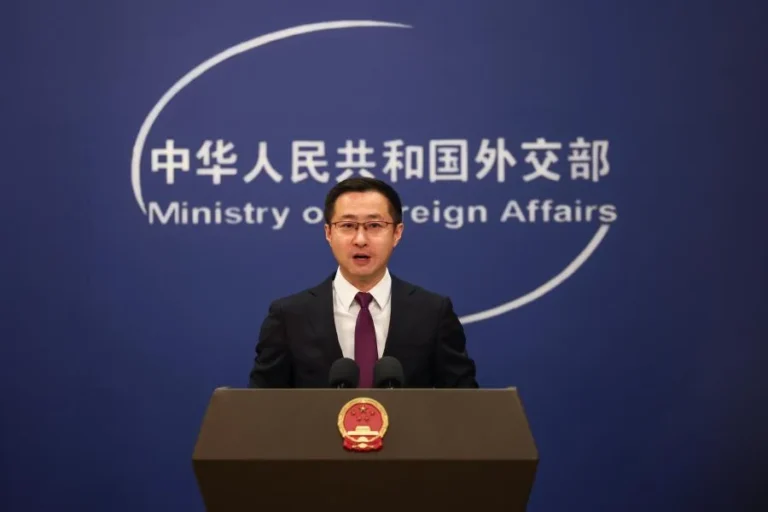
Iranian Foreign Ministry spokesperson Esmaeil Baqaei, quoted by state media, said the agreement had been completed electronically and no separate signing ceremony in Switzerland would now take place.
Read More: Iranian Oil Tankers Exit Hormuz Blockade Zone Ahead of US–Iran Deal Signing Ceremony
Prime Minister Shehbaz Sharif initially stated that Pakistan, with support from Qatar, would host a formal signing ceremony in Switzerland on June 19. However, that statement was later withdrawn following confirmation that the agreement had already been finalised digitally.
In his message, the prime minister congratulated all parties involved, praising the US leadership for its diplomatic engagement and commending Iranian authorities for what he described as their “wisdom and statesmanship” in choosing a negotiated settlement.
He also acknowledged the contributions of several regional actors, including Qatar, Saudi Arabia, Türkiye and Egypt, for supporting diplomatic efforts during the crisis.
The prime minister further highlighted the role of Pakistan’s civil and military leadership in facilitating dialogue, including Chief of Defense Forces Field Marshal Asim Munir, crediting coordinated efforts for helping advance the peace process.
Iranian President Masoud Pezeshkian and other senior officials were also praised for their role in concluding the agreement, which both sides say is intended to pave the way for a more comprehensive final settlement.
According to details shared in the report, the broader framework includes provisions for reopening maritime traffic through the Strait of Hormuz, lifting US sanctions on Iranian oil exports, and launching negotiations over Iran’s nuclear program.
Read More: 14-Point US–Iran Deal Outlines Ceasefire, Sanctions Relief and $300bn Fund
It also outlines the possibility of a $300 billion reconstruction and development fund, to be activated in a later phase once a final agreement is reached.
The accord reportedly requires Iran to reduce its enriched uranium stockpile under international supervision, while allowing phased sanctions relief and financial unfreezing measures for Tehran.