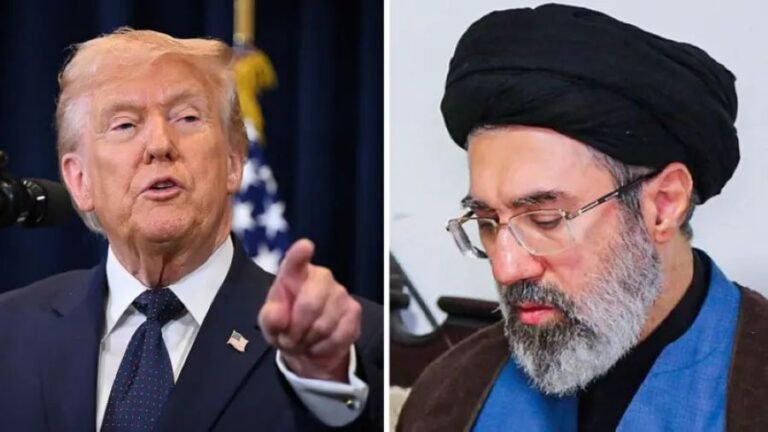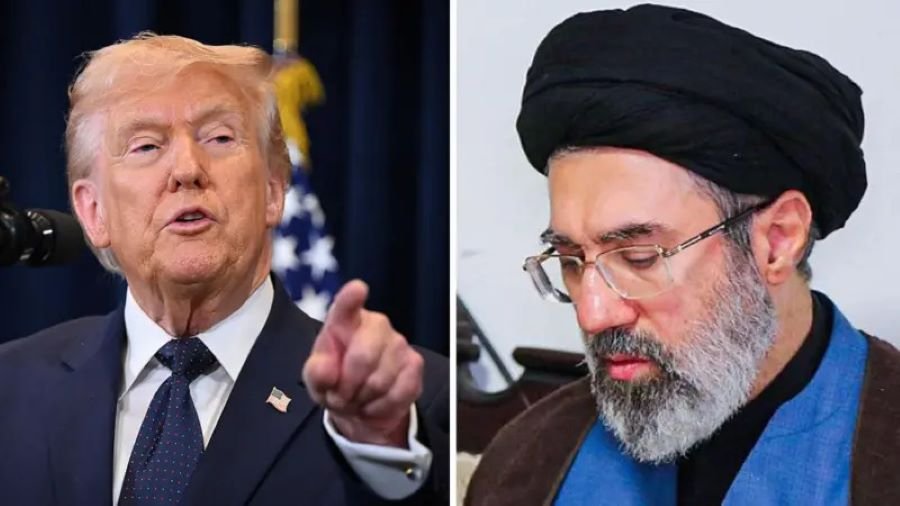
Washington (TDI): A leaked 14-point memorandum of understanding between the United States and Iran outlines a sweeping framework to end hostilities, reopen key shipping routes, and launch a phased negotiation process toward a permanent settlement, according to a draft obtained by CNN.
The document, reportedly shared with US officials and confirmed by multiple diplomatic sources at the G7 summit in France, has not yet been formally released. Officials cautioned that the wording may still change ahead of a planned signing ceremony in Switzerland later this week.
The agreement sets out an immediate and permanent end to fighting across all fronts, including Lebanon, with both sides pledging to refrain from any hostile action or threats of force. It also commits Washington and Tehran to respect each other’s sovereignty and avoid interference in internal affairs.
A 60-day window has been established to reach a final agreement, which may be extended by mutual consent. A central element of the framework is the reopening of the Strait of Hormuz. The United States would lift its naval blockade immediately after signing, with maritime traffic expected to return to pre-war levels within 30 days. Iran, in turn, would take steps to restore shipping flows and address technical obstacles, including mine clearance operations.
Read More: $300bn Investment Fund Emerges as Key Part of US–Iran Deal
The US would also commit to withdrawing forces from surrounding areas within 30 days of a final agreement being reached. On the economic front, the memorandum outlines plans for a reconstruction and development program for Iran worth at least $300 billion, to be financed through regional partners and private-sector contributions. The mechanism is intended to support investment in energy, transport, manufacturing, and infrastructure.
The US would further agree to gradually lift sanctions, including unilateral measures as well as UN and IAEA-related restrictions, under terms to be defined in the final agreement.
Iran, for its part, reiterates that it will not pursue nuclear weapons. However, key issues such as enriched uranium stockpiles and broader nuclear program details are left for future negotiations.
During the interim period, both sides would maintain the status quo, with Iran keeping its nuclear program unchanged and the US refraining from new sanctions or military escalation in the region.
Read More: Pakistan Facilitates Repatriation of 30 Iranian Fishermen and Sailors: Dar
The US Treasury would also issue waivers allowing Iranian oil and petrochemical exports, along with related financial and logistical services, while frozen Iranian assets abroad would be gradually released under agreed mechanisms.
An implementation body would be established to oversee compliance and progress, while the final agreement would ultimately be submitted for approval through a binding United Nations Security Council resolution.
The memorandum is described as a political framework rather than a legally binding treaty, with officials emphasizing that critical back-channel understandings remain part of ongoing negotiations.
If finalized, the deal would mark one of the most significant diplomatic shifts between Washington and Tehran in decades, reshaping regional security dynamics, energy markets, and the future of the Strait of Hormuz.