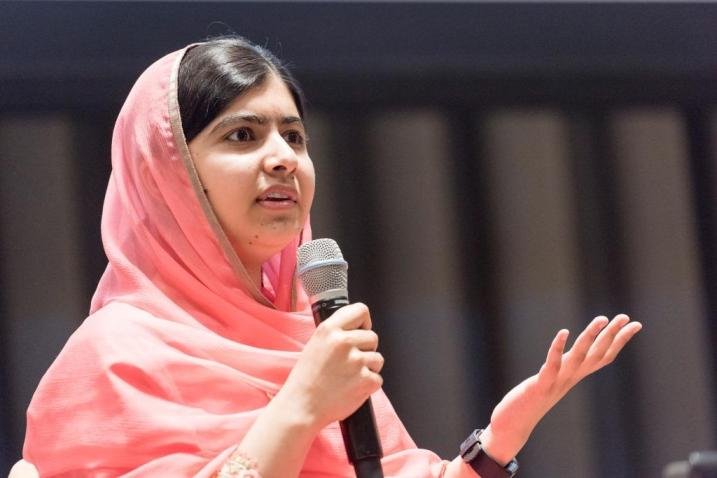
Nobel Peace Prize laureate Malala Yousafzai has publicly condemned the European Union’s decision to invite a Taliban delegation to Brussels for talks on Afghan migration.
In a statement, Malala warned that extending diplomatic engagement to the Taliban sends a dangerous signal that a regime can strip women and girls of their rights and still be welcomed as a legitimate partner by the international community.
She laid bare the Taliban’s gender apartheid system, pointing to policies that exclude women and girls from public life, block them from schools and jobs, restrict their freedom to travel, and impose forced marriage.
Malala also tied her criticism to recent events in Herat, where she said Taliban forces detained at least thirty women and girls last week over alleged dress code violations.
Inviting Taliban officials to Brussels to discuss a migration deal sends a dangerous message that a regime can systematically oppress Afghan women and girls and still be welcomed as a diplomatic partner.
This is the same regime that, last week, detained at least thirty women and…
— Malala Yousafzai (@Malala) June 15, 2026
“This is the same regime that, last week, detained at least thirty women and girls in Herat for how they were dressed, opened fire on the people who protested their arrest, killed a child and injured others.”
Citing this pattern of repression, she called on European leaders to reconsider engaging with the Taliban at all and urged that any future talks place far greater weight on the group’s human rights record.
“Europe should not be considering deals with a regime responsible for one of the worst human rights crises in the world.”
Read More: EU Prepares to Welcome Taliban Delegation to Brussels Amid Rights Outcry
The controversy stems from an EU invitation for Taliban representatives to attend discussions in Brussels focused on Afghan migrants, a subject of growing political sensitivity in Europe as member states grapple with deportation policies and migration flows from Afghanistan.
Belgian officials have separately suggested that reviewing or walking back such invitations could weaken Brussels’ negotiating position, signaling that the EU itself is divided over how closely to engage Taliban officials even on narrow technical matters like migration.
The episode underscores a broader tension facing Western governments nearly five years after the Taliban returned to power in Afghanistan; balancing practical cooperation on issues like migration and security against mounting evidence of gender-based repression.