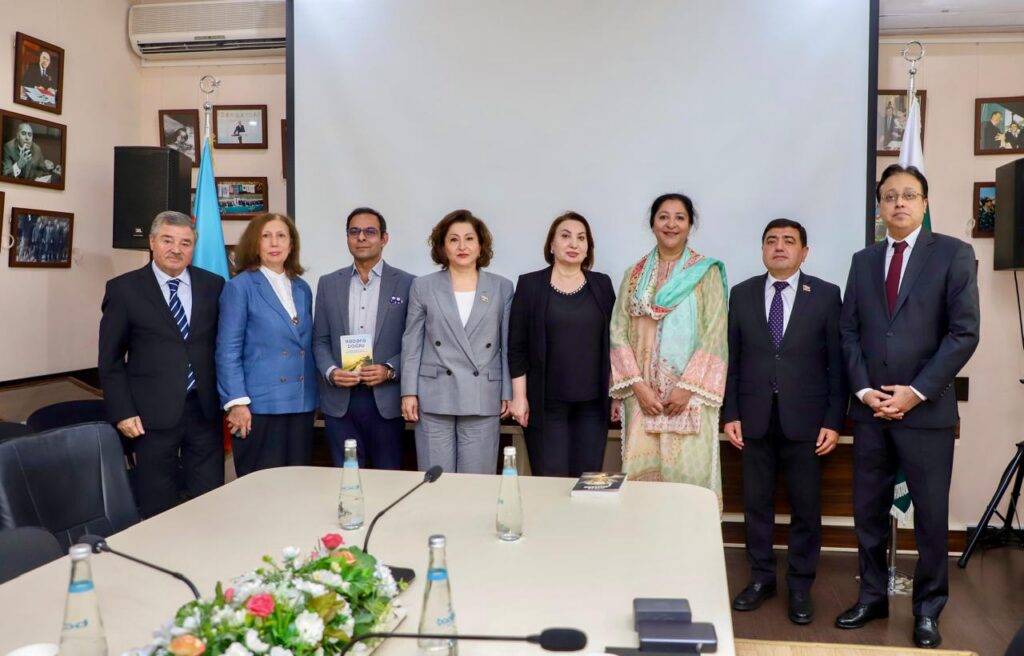
Baku (TDI): Pakistan and Azerbaijan have highlighted their longstanding cultural ties through a literary event in Baku featuring the launch of Azerbaijani and Urdu translations of works by authors from both countries.
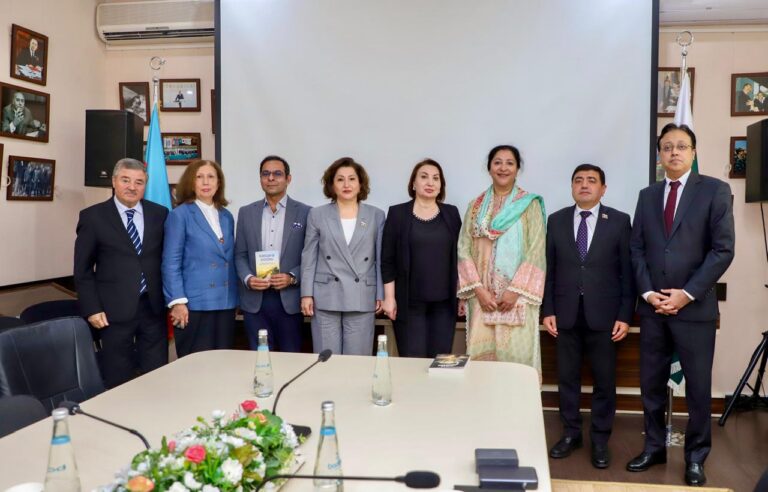
The event, titled “Bridge Between Languages: Presentation of Azerbaijani–Urdu Literary Translations,” was organized by the Embassy of Pakistan in Baku in collaboration with the Pakistani Language and Culture Center at the Azerbaijan University of Languages.
The program featured the Azerbaijani translation of Towards the Goal (Mənzilə Doğru), written by Pakistani motivational speaker and author Qasim Ali Shah, alongside the Urdu translation of Sehrbazlar Dərəsi, a celebrated work by Azerbaijani academic and scholar Professor Kamal Abdulla, who also serves as Rector of the Azerbaijan University of Languages.
The organizers said the translated works reflected the growing literary and cultural exchange between Pakistan and Azerbaijan, providing a platform for readers in both countries to engage with each other’s literary traditions.
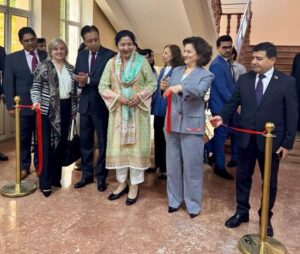
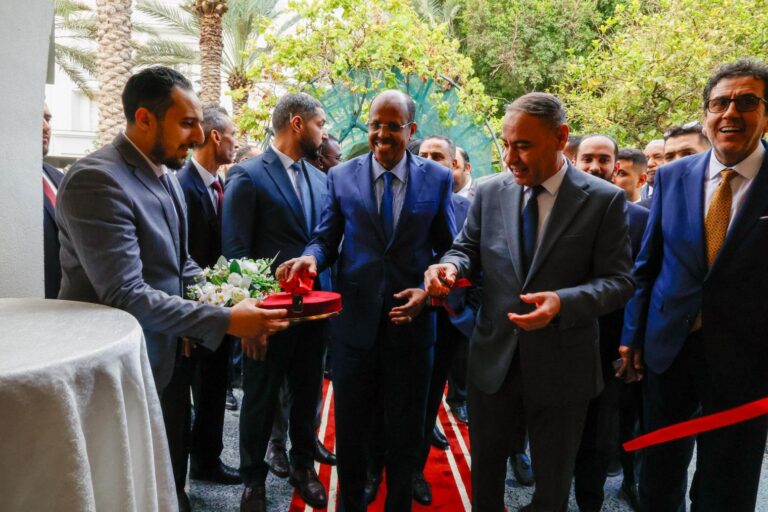
Pakistan’s Minister of State for Federal Education and Professional Training, Wajiha Qamar, inaugurated the event.
Members of Azerbaijan’s Milli Majlis, Tamam Jafarova and Rizvan Nabiyev, also attended the program and highlighted the historical and people-to-people links between Pakistan and Azerbaijan.
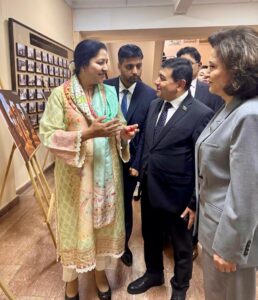
The event extended beyond literature, featuring a photographic exhibition by Virginija Morgan-Hayat showcasing Pakistan’s diverse cultural heritage, landscapes and traditions.
Morgan-Hayat also shared her experiences and reflections on Pakistan with the audience, offering an additional perspective on the country’s cultural diversity.
A documentary titled Salam Pakistan was screened during the program, further introducing the audience to Pakistan’s cultural and social landscape.
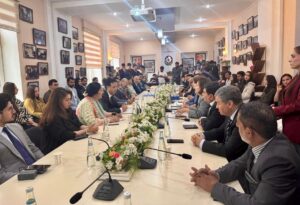
The gathering brought together Azerbaijani and Pakistani parliamentarians, academics, writers, students, media representatives and guests from different sectors of society.
Pakistani cuisine and traditional desserts were also served to guests, adding a culinary dimension to the cultural exchange. The organizers emphasized the role of literature, language and cultural initiatives in strengthening connections between societies. Translation, in particular, allows literary works to reach new audiences while creating opportunities for readers and academics to engage with the ideas, traditions and experiences of another country.
The Baku event also highlighted the role of educational and cultural institutions in sustaining people-to-people links alongside official diplomatic relations.
Through literary translations, photography, documentary and cultural interaction, the program presented Pakistan and Azerbaijan’s bilateral relationship through a broader cultural lens, reinforcing the importance of sustained exchanges among writers, students, academics and wider communities.