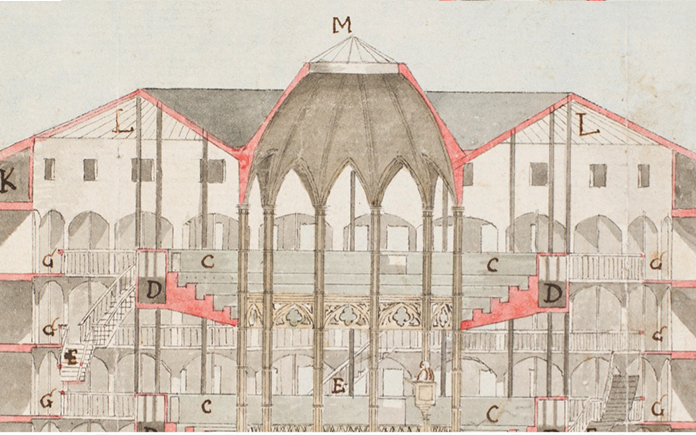
Michel Foucault’s panopticon was never simply a prison. Borrowed from Jeremy Bentham’s architectural design, it described a system in which prisoners could never know when they were being watched, and therefore had to behave as though they were always visible.
For Foucault, the power of the panopticon lay not primarily in physical force but in discipline: when surveillance becomes constant enough, people begin to regulate themselves.
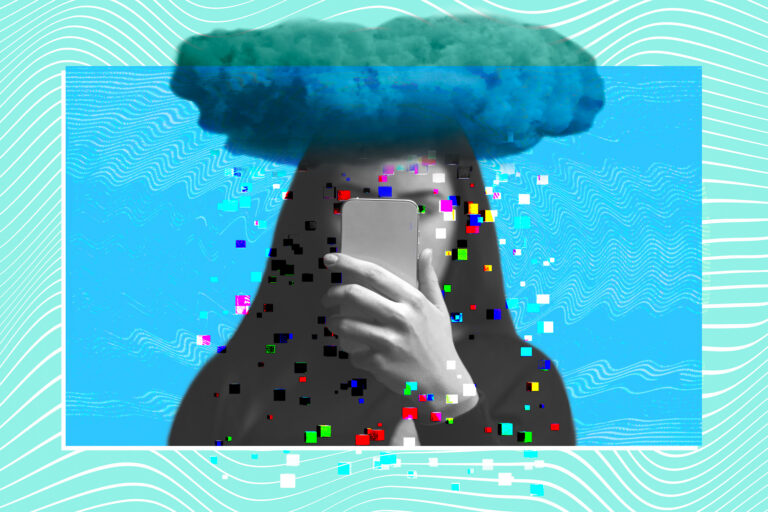
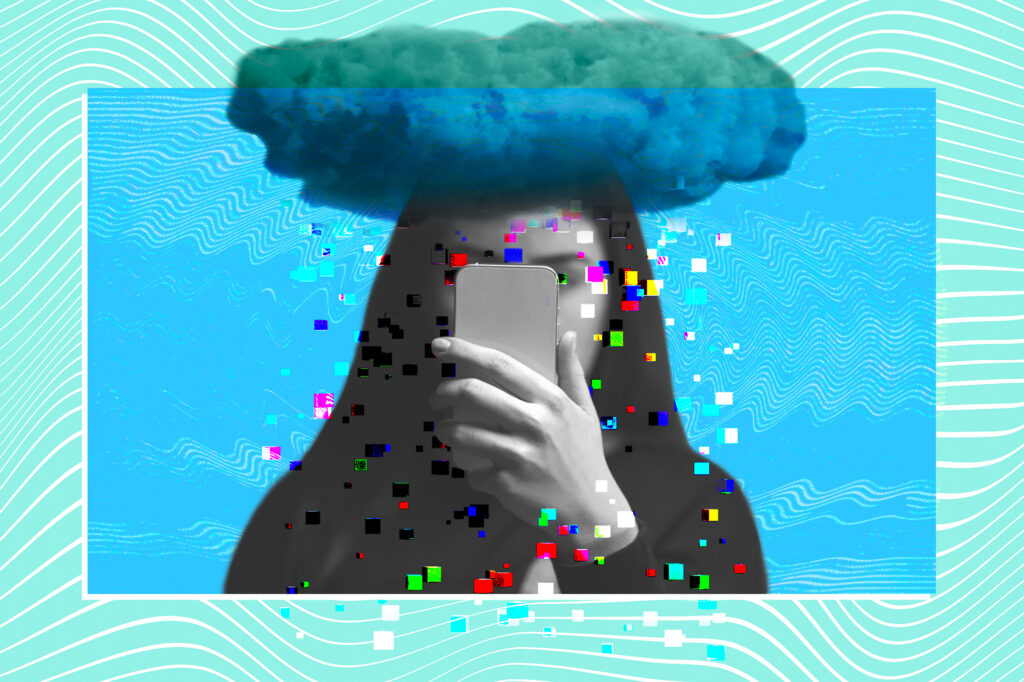
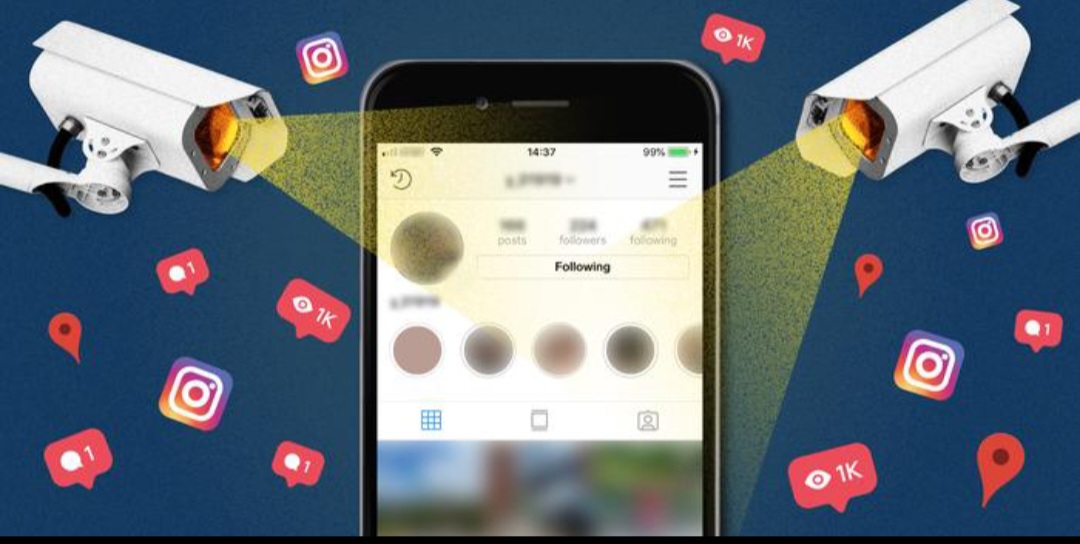
More than two centuries later, the prison tower has disappeared, but its logic has found a remarkably comfortable home in the smartphone. Gen Z does not merely live under surveillance; it participates in producing it, often willingly, by turning everyday life into something to be documented, measured, displayed and evaluated.
Instagram, TikTok and other platforms have transformed visibility into a form of social currency. The digital world is not a prison in the literal Foucauldian sense, but it reproduces an important part of the panoptic logic. People know that their behavior can be observed, recorded and evaluated, even when they cannot see exactly who is watching or how their information is being used.
The difference is that the contemporary user often enters the system voluntarily. Instead of being forced into a monitored space, users open the door themselves, upload photographs, share locations, post opinions, reveal relationships and document mundane moments.
The desire is not necessarily surveillance itself. It is recognition. Yet the pursuit of recognition creates conditions in which surveillance becomes ordinary.
This makes Gen Z both the observed and the observer. Every post invites an audience, but every audience also becomes a measuring device. A photograph is not simply a photograph when it can accumulate likes, a thought is no longer entirely private when it can be converted into views, an ordinary day can become a performance when its value is reflected through engagement.
The question gradually shifts from, What do I want to share? to What will people think if I share this? or, perhaps more significantly, What should I become so that people would want to watch me?. The panoptic mechanism works precisely here. External observation becomes internal discipline.
The algorithm intensifies this process because the audience is no longer exclusively human. Platforms continuously collect behavioral signals: what users watch, skip, search for, like, share and revisit. These traces help determine what appears next on the screen. The user therefore does not simply consume social media.
The user’s behavior simultaneously becomes data through which the platform learns how to shape future attention. The algorithmic gaze is different from Foucault’s centralized observer, but it produces a comparable uncertainty. Users rarely know precisely what is being inferred from their behavior, why particular content reaches them, or how their digital patterns contribute to the construction of their online environment.
This uncertainty encourages another form of self-surveillance. Gen Z has grown up in an environment where social comparison is quantified. Followers can be counted, views displayed, comments accumulated and engagement rates observed. These numbers turn social approval into something that appears measurable.
Consequently, people may edit photographs before publishing them, reconsider opinions that could attract criticism, delete posts that perform poorly, or monitor their appearance against carefully constructed versions of other people’s lives. The surveillance no longer requires a guard standing outside the cell. The individual carries the guard internally.
Yet reducing this phenomenon to technological oppression would miss the paradox at its center. Visibility can be empowering. Social media has allowed young people to find communities that may be unavailable in their physical surroundings, challenge established narratives, organize around causes and make experiences visible that traditional institutions once ignored.
A young activist can reach an international audience without access to a television studio or newspaper editorial page. Marginalized voices can find solidarity through networks that cross geographical boundaries. Visibility, therefore, is not inherently disciplinary. Sometimes being seen is precisely what enables political and social agency.
The problem emerges when visibility becomes a condition for participation itself. When attention determines whose voice travels furthest, people may begin adapting their identities to the demands of the platform. Political expression can become performative; activism can become content; personal identity can become branding.
What appears to be complete freedom of expression may coexist with subtle pressure to remain interesting, acceptable, attractive or algorithmically relevant. The individual is free to speak, but increasingly conscious of how that speech might be received, recorded and circulated.
This has political consequences beyond privacy. A society accustomed to constant observation may gradually become accustomed to regulating itself. People may hesitate before expressing unpopular political opinions because screenshots can preserve statements indefinitely.
They may curate their identities according to perceived social expectations. They may avoid experimentation because digital mistakes can remain searchable long after the moment has passed. The danger is not simply that someone is watching; it is that citizens begin anticipating the gaze and modifying themselves before anyone needs to intervene.
Gen Z’s relationship with the panopticon is therefore not a simple story of victims versus surveillance. It is a more complicated exchange. Young people seek visibility because visibility can provide belonging, influence, opportunity and political voice.
Platforms provide those possibilities while simultaneously transforming attention and personal behavior into data. The same architecture that allows a young person to speak to thousands can also encourage that person to constantly monitor how they look, sound and perform before those thousands.
Foucault’s most enduring insight was that modern power does not always need to command people directly. Sometimes it works by making individuals participate in their own regulation. The contemporary panopticon has no single tower and no permanently visible guard.
It fits inside a smartphone, follows us through algorithms and appears in the small decisions we make before pressing post. Gen Z may not be voluntarily surrendering its freedom in any straightforward sense. It is doing something more paradoxical: voluntarily entering spaces where being seen has become so valuable that constant observation can feel less like surveillance and more like everyday life.
*The views presented in this article are the authors’ own and do not necessarily reflect the views of The Diplomatic Insight.*

Aqsa Fazilat
Aqsa Fazilat is a student of Political Science and Philosophy at Kinnaird College for Women. Her research interest lies in contemporary global politics and political geography.