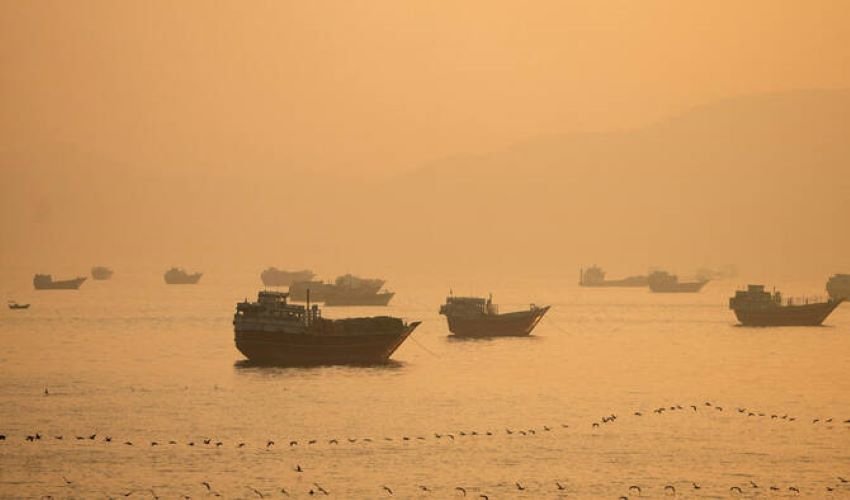
Tehran (TDI): The first Iranian oil tankers have exited a US naval blockade zone in the Strait of Hormuz ahead of planned US–Iran deal signing ceremony scheduled to be arranged in Switzerland later this week, according to vessel-tracking data cited by monitoring services.
The TankerTrackers website, which monitors global oil shipments using satellite imagery and digital tracking systems, said at least two large crude carriers operated by the National Iranian Tanker Company had left the restricted zone carrying millions of barrels of oil. A third tanker was also later reported to have followed.
The movements mark what analysts described as Iran’s first significant crude oil exports in roughly two months, coinciding with growing expectations of a diplomatic breakthrough between Washington and Tehran.
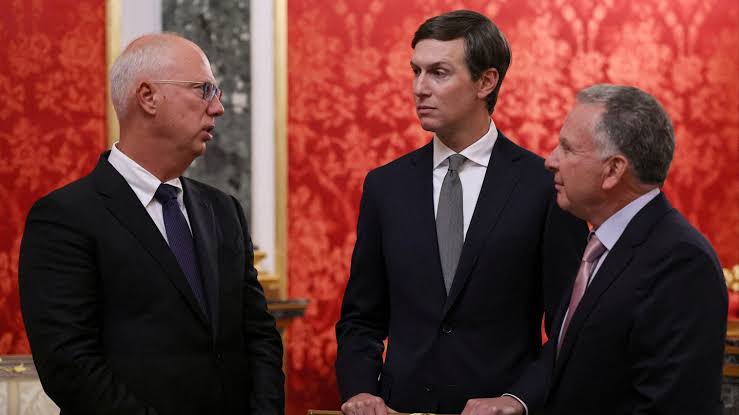
The developments come just days before both sides are expected to begin formal negotiations in Switzerland on a final settlement framework aimed at ending the conflict and reopening key shipping lanes through the Strait of Hormuz.
The agreement, which has not yet been officially published, is expected to address multiple unresolved issues, including Iran’s nuclear program, sanctions relief, and long-term security arrangements in the Gulf region.
Read More: IEA Calls for Unconditional Reopening of Strait of Hormuz to Ease Energy Crisis
Market reaction to the reported easing of maritime restrictions was immediate, with global oil prices falling sharply on expectations that supply routes through the Strait of Hormuz, a critical artery for global energy trade, may soon normalize.
The Strait has been under heavy disruption since the escalation of conflict earlier this year, which severely restricted commercial shipping and disrupted global oil flows.
While diplomatic momentum appears to be building, tensions in the region have not fully eased. Reports of renewed Israeli military activity in parts of Lebanon and continued cross-border strikes have raised concerns that the broader conflict remains fragile.
US and Iranian officials are expected to meet in Switzerland for a 60-day negotiation window aimed at converting the current framework into a comprehensive agreement. Key issues on the table include the fate of Iran’s enriched uranium stockpile, the lifting of international sanctions, and the long-term status of maritime security in the Gulf.
Read More: Trump Says Oil Tankers Are Leaving Hormuz as Shipping Recovery Begins
The interim arrangement would allow Iran to resume limited oil exports immediately following the signing of the memorandum, alongside phased sanctions waivers covering banking, insurance, transportation, and energy services.
Officials involved in the process have described the current phase as a transition period, during which both sides are expected to test compliance measures while building toward a final settlement.