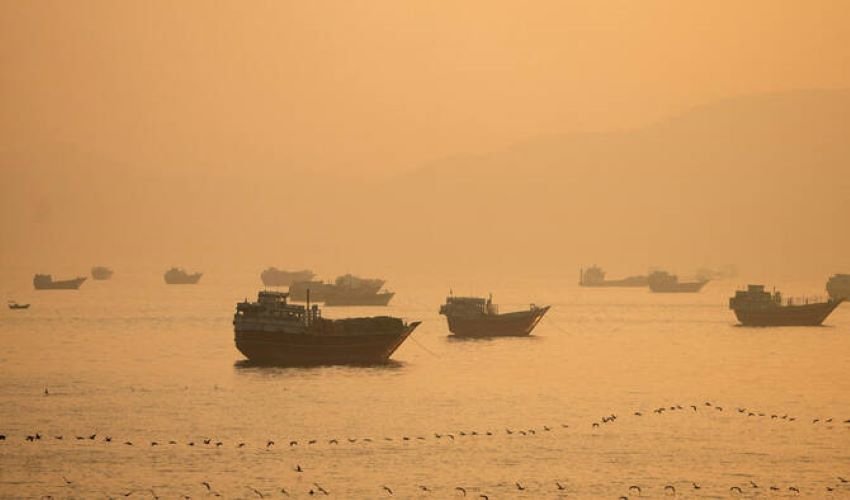
Paris (TDI): The head of the International Energy Agency has called for the “unconditional” reopening of the Strait of Hormuz, saying it is essential to stabilise global energy markets after months of disruption.
IEA Executive Director Fatih Birol said during a press briefing in Paris that restoring free and unrestricted shipping through the strategic waterway is the most critical step toward easing the global energy crisis triggered by recent geopolitical tensions.
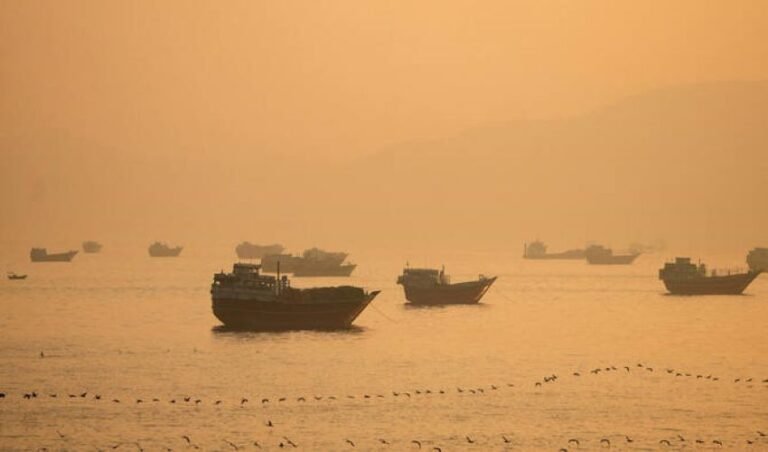
He said the Strait of Hormuz, one of the world’s most important oil transit routes, must be fully reopened to tanker traffic without conditions in order to restore confidence in global energy supply chains and reduce pressure on prices.
According to Birol, the disruption to oil and gas flows through the channel has already lasted nearly four months, contributing to sharp increases in crude prices and significant strain on energy-importing economies worldwide.
The crisis escalated after Iran restricted tanker movement through the strait in response to US and Israeli strikes earlier this year, effectively limiting the passage of a major share of global oil and liquefied natural gas shipments.
Read More: Trump Says Oil Tankers Are Leaving Hormuz as Shipping Recovery Begins
The current US-Iran framework agreement includes provisions to reopen the waterway, but Iranian officials have reportedly suggested that transit fees or other charges could still apply, raising uncertainty about how “free passage” will be implemented in practice.
Despite remaining concerns, Birol welcomed the diplomatic breakthrough between Washington and Tehran, calling it positive news for global markets and energy stability.
“The crisis has lasted almost four months,” he noted, comparing its impact to historic oil shocks that previously disrupted the global economy.
Read More: Strait of Hormuz Flare-Up Clouds Emerging US–Iran Agreement
The IEA has been coordinating emergency responses among its member countries, including the release of hundreds of millions of barrels from strategic oil reserves to help stabilise supply. According to the agency, roughly 164 million barrels have already been deployed since the crisis began.
Market observers say that while the reopening of the Strait of Hormuz would significantly ease supply pressures, full normalisation of energy flows will depend on whether the agreement is implemented without restrictions or new conditions.