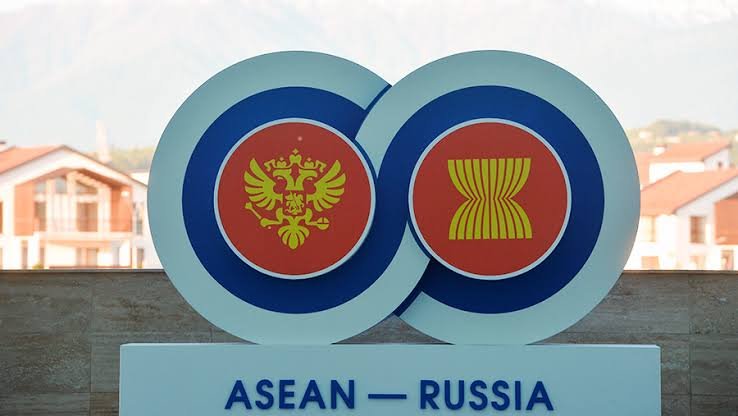
The leaders of the Association of Southeast Asian Nations (ASEAN) are getting ready to attend an unprecedented historic summit with President Vladimir Putin in the Russian city of Kazan on June 17–18.
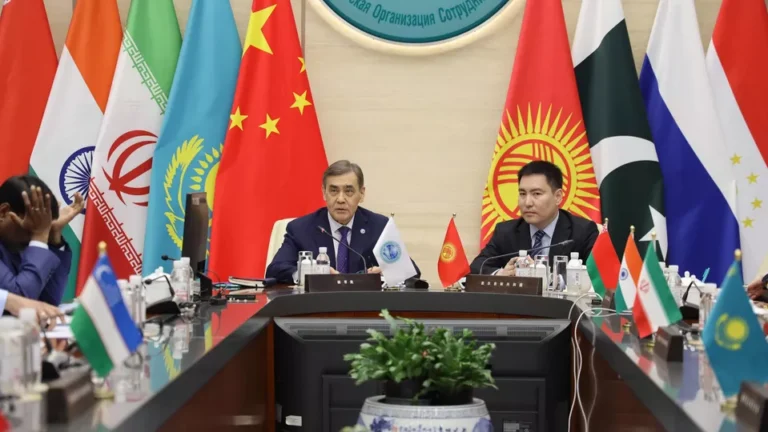
The meeting takes place on the invitation of Putin himself, and the ASEAN Secretariat confirmed the participation of the Secretary-General, Dr. Kao Kim Hourn, in a dialogue which coincides with the 35th anniversary of relations between ASEAN and Russia.
The trip to Kazan has significance far beyond the ceremonial niceties for a bloc which has been carefully maneuvering between Washington and Moscow on the Ukraine war for the past four years.
It is a pivotal moment for regional architecture and diplomacy, especially for the ASEAN member states that are being torn in different directions, between economic integration with China, security reliance on the US, and an ever more real need for Russian energy and food.
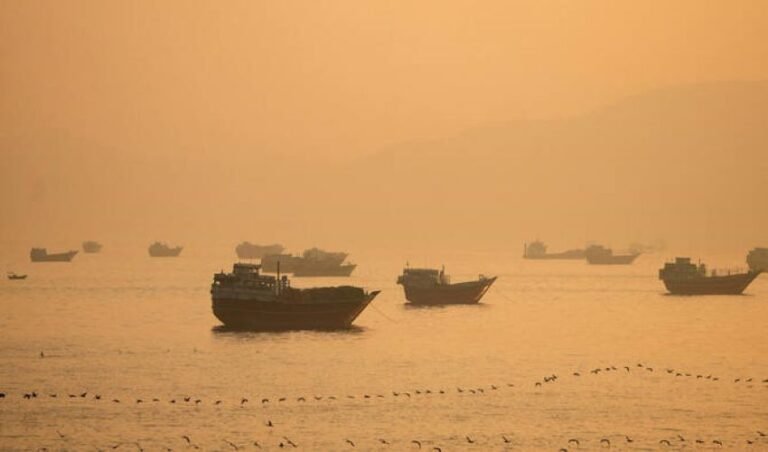
As a consequence of the Hormuz crisis, several ASEAN countries such as the Philippines, Indonesia, Thailand, and Vietnam have either imported or expressed interest in buying Russian crude oil as a result of the increases in global fuel prices. The summit, in this regards, is nothing symbolic – it is a forecast of where the economic gravity is heading.
Read More: Vietnam Calls for More Active ASEAN Role in Global Affairs
On the sidelines of the summit, the leaders of the ASEAN countries are meeting the leaders of major businesses, foreign officials, and the leaders of international organizations under the auspices of Russia-ASEAN Business Forum. The forum’s presence indicates Moscow’s intent to translate diplomatic momentum into business architecture.
In the area of development in digital transformation, artificial intelligence, cybersecurity, and smart cities, which are priority areas for the long-term development of ASEAN, Russia has put forward a proposal to expand cooperation under the upcoming Action Plan on ASEAN-Russia cooperation for the period of 2026-2030.
But energy is the core of the relationship, an aspect that has ensured Moscow’s continued relevance to Southeast Asia amid calls from Western governments to the region to cut ties with Moscow.
Kazan Declaration 2026 will be adopted at the conclusion of the summit; which will be a joint declaration on energy and cultural cooperation, as well as a joint statement on vision of the partnership.
An agreement on the implementation of the ASEAN-Russia Comprehensive Plan of Action (2026-2030) is also expected, which will then be the main framework for promoting cooperation in the political, security, economic and socio-cultural domains.
There will be no statement or declaration about Ukraine, as in the context of a Summit dedicated to food security and energy security in Southeast Asia, it is not on the agenda. This is not a mistake but a deliberate political choice, which reflects the forum’s policy stance since 2022.
Read More: ASEAN’s Multilateral Dilemma: Continuity and Change From NAM to BRICS
The summit’s inner workings highlight the bloc’s typical internal differences. This year’s chair of the ASEAN rotating presidency, the Philippines, will be co-chairing the summit with Russia.
However, according to ASEAN’s policy on political crisis, Myanmar, which has not been invited to the ASEAN summits since 2021 due to the leader of the coup, will be represented by a nonpolitical official.
The only ASEAN country to have enacted unilateral sanctions on Russia, Singapore, has a bigger question on whether it will attend, with the outcome not certain as of mid-June. The rifts in the bloc are merely a sign of how the Ukraine conflict has turned a relatively simple relationship into a complicated one.
For Russia, this summit is part of a larger reorientation of its foreign economic policy towards the Global South countries, as Russia looks for new markets and strategic partners.
Kazan, which played host to the BRICS summit in 2024, is in effect a symbolic venue for that pivot. The hosting of the ASEAN leaders there sends a clear message that Russia has relevance, legitimacy, and has partners beyond the Western order.
The ASEAN member countries face labyrinthine paths to safeguard sovereignty, promote economic growth, and ensure policy autonomy in the face of the great power rivalry, geopolitical fragmentation, and securitization of trade.
One of these routes is the Kazan summit; carefully built, deliberately unclear, and fashioned in recognition that in the world order that is fracturing, Southeast Asia cannot afford to shut doors it might want to come back through.

Muhammad Mahad Samija
Muhammad Mahad Samija is a student of Political Science at Government College University, Lahore. He can be reached at muhammadmahadsamija@gmail.com