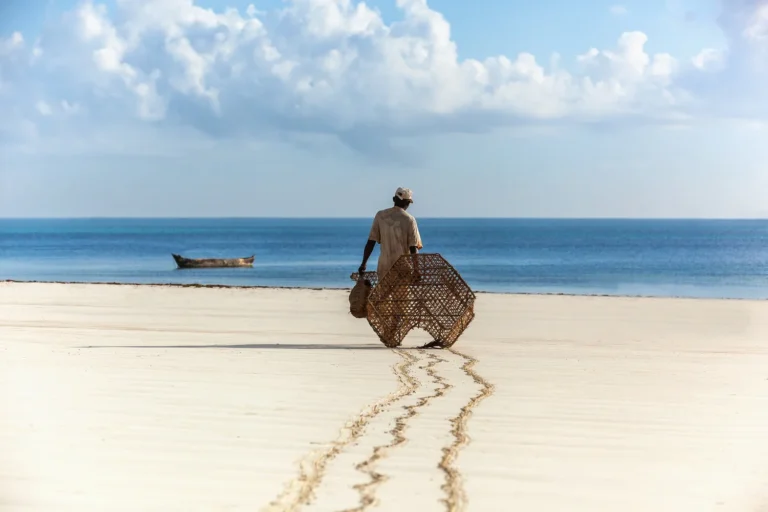
Mombasa (TDI): The 11th Our Ocean Conference opened in Mombasa today, Tuesday, marking the first time in the event’s 12-year history that it has been held on African soil.
Over three days, the gathering will bring together heads of state, scientists, investors, civil society groups and youth leaders to chart the next phase of global ocean protection.
Hosted by the Kenyan government under the banner “Our Ocean, Our Heritage, Our Future,” the conference runs through Thursday across Mombasa and Kilifi counties.
Discussions are organized around six themes: marine protected areas, the blue economy, the link between oceans and climate, sustainable fisheries, marine pollution, and maritime security.
A warm welcome to Mombasa from Cabinet Secretary @HassanAliJoho as #OOC11 officially opens.
“Africa is not here to listen. Africa is here to lead.”
For the first time, the Our Ocean Conference is on African soil.
Karibuni Kenya. Tokutane Mombasa.
16-18 June, Mombasa, Kenya… pic.twitter.com/rEgu0VAt7r
— Our Ocean Conference (@OurOceanOOC) June 16, 2026
Since launching in 2014, the Our Ocean Conference has generated more than 2,900 pledges worth over $169 billion, covering everything from conservation to maritime security.
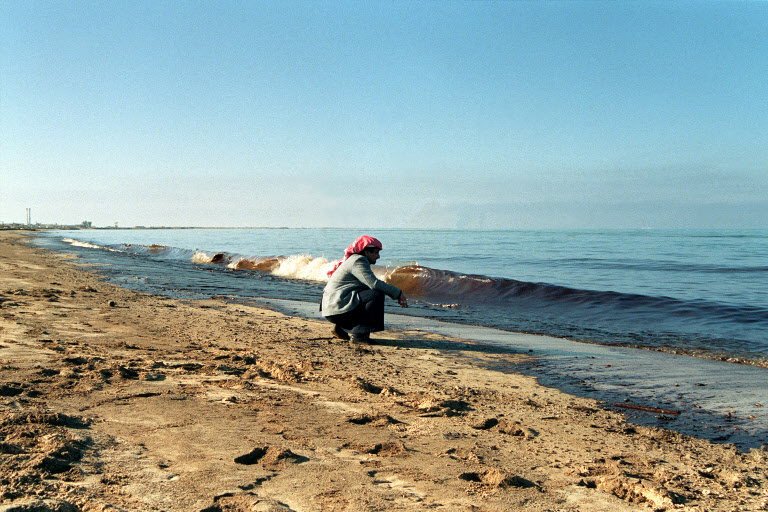
But this year’s edition is shadowed by a familiar problem: the world is well behind its target of protecting 30 percent of the ocean by 2030, and many existing marine protected areas remain underfunded and weakly enforced.
Organizers say the focus this time is less on new promises and more on proving that past ones can be delivered. Adding to the urgency, the High Seas Treaty took effect in January, with its first formal meeting of parties set for early 2027.
Kenya’s turn at the podium reflects a wider push to put African nations at the center of ocean policy. The country has built a reputation for protecting mangrove and seagrass habitats and for tackling plastic waste, and it borders the Western Indian Ocean, one of the planet’s richest marine regions.
Read More: Kate Walsh Arrives in Kenya for Global Ocean Conference
The country is using the week to court private investment in fisheries, aquaculture, shipping, biotechnology and ocean-based renewable energy, while promoting a model in which coastal communities help manage and restore marine resources rather than simply benefit from outside conservation efforts.
“By hosting OOC11, Kenya seeks to leave a lasting imprint on global ocean governance, one that ensures future generations inherit a resilient, productive, and just ocean,” said Hassan Ali Joho, Kenya’s Cabinet Secretary for Mining and Blue Economy.
The conference also carries resonance beyond Africa. Monaco, a longtime backer of the Our Ocean process through the Prince Albert II Foundation, will host its own related event, the Ocean Space Forum, in July, focused on using satellite technology to monitor marine ecosystems.