Tehran (TDI): New military developments in the Strait of Hormuz have overshadowed reports of a possible breakthrough in US–Iran negotiations, as both sides signal that a preliminary agreement may be close.
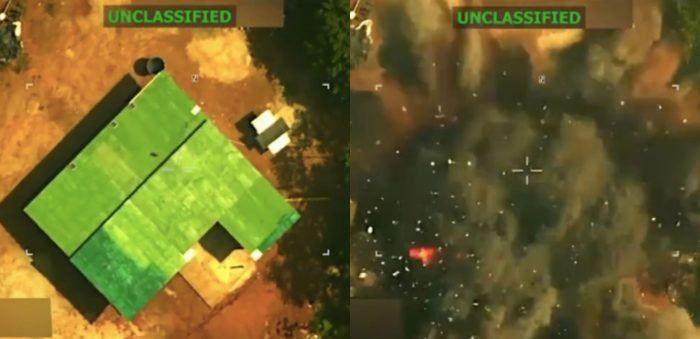
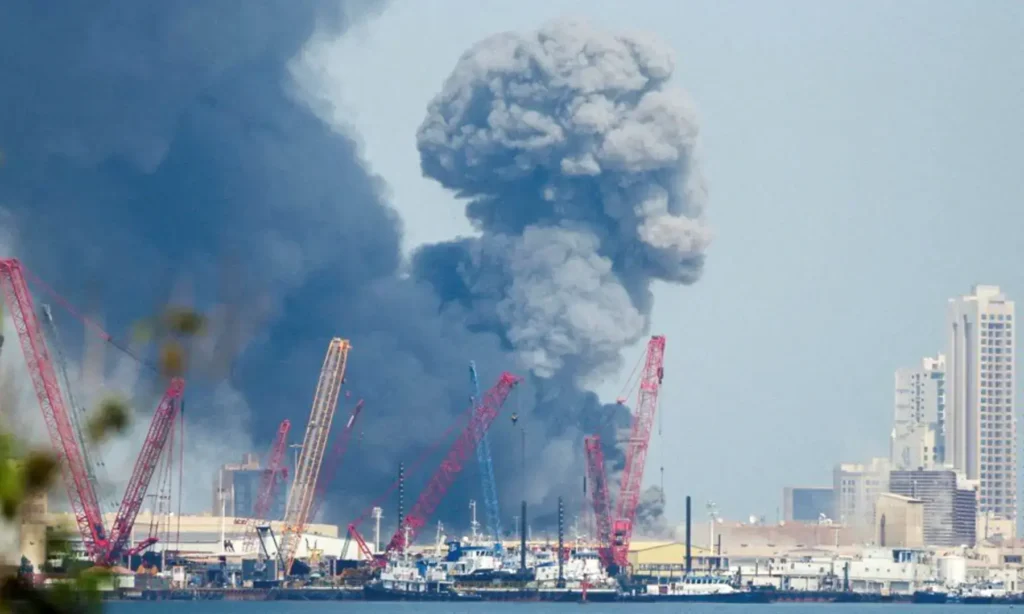
US forces intercepted and destroyed multiple Iranian one-way attack drones heading toward the strategic waterway. The drones were reportedly targeting an area critical for global shipping, prompting a rapid defensive response. US Central Command later confirmed the incident and said maritime traffic through the Strait of Hormuz remained open and secure.
At the same time, Iranian media reported explosions near Sirik port and Qeshm island, with local accounts suggesting Iranian forces fired warning shots at vessels attempting to cross the strait without authorization from the Islamic Revolutionary Guard Corps’ naval units. The renewed flare-up has added uncertainty to ongoing diplomatic efforts aimed at de-escalation.
Despite the tensions, US and Iranian officials have indicated that a draft agreement to end the conflict is taking shape. A senior US administration official said both sides have agreed on a text and that an initial deal could be signed within days.
Read More: Trump vs Iran: A Rollercoaster of Threats and Near-Deal Claims
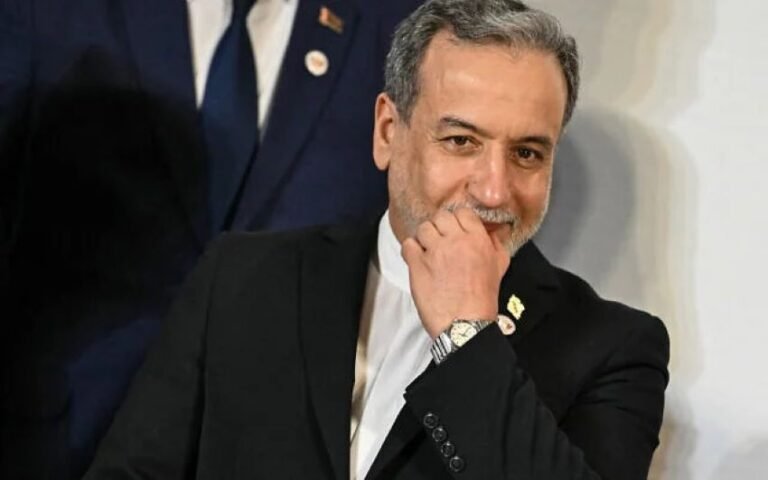
Iranian Foreign Minister Abbas Araghchi confirmed that while the document is still subject to changes, it reflects Tehran’s strengthened position following months of confrontation. Speaking on state television, he said, “Iran is the winner of the war with the US.”
The proposed framework reportedly includes reopening the Strait of Hormuz and easing restrictions on Iranian ports in exchange for structured negotiations on Iran’s nuclear program. Those talks would follow within a 60-day period after an initial memorandum is signed.
US officials say the agreement aligns with key objectives of President Donald Trump, including steps toward limiting or dismantling Iran’s nuclear capabilities, the removal of enriched uranium stockpiles, and the introduction of a long-term inspection mechanism.
Read More: PM Shehbaz Says ‘Final, Agreed Text of US-Iran Peace Deal’ Reached
Iran, however, is expected to resist full dismantlement of its nuclear program, instead favoring a compromise involving down-blending of its enriched uranium. The draft also reportedly includes the release of frozen Iranian assets and eased sanctions on oil exports, though Washington insists any financial relief will be strictly conditional on compliance.