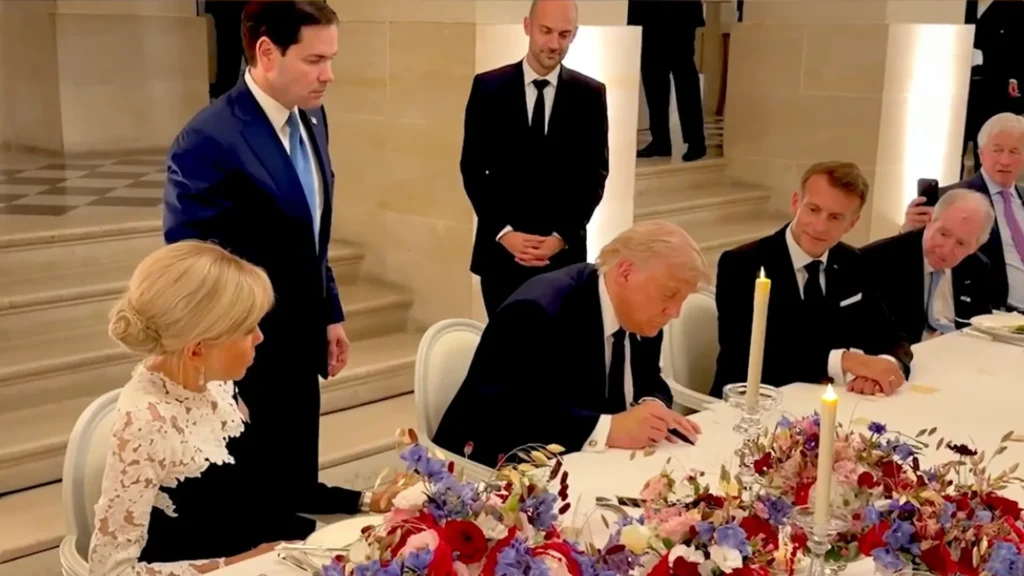
There are more than one elephant in the room when it comes to the sixty-day period that now follows the signing of the Memorandum of Understanding (MoU) between the United States and Iran. In an unplanned turn, Versailles Palace served the venue, instead of Bürgenstock, as Trump signed the document at the conclusion of the G7 summit. The Geneva venue will still host a negotiation round on Friday.
But a this-for-that is clear from the American side; as it appeared in clarification statements from US officials on speculations of financial assets relief for Iran, assumed to be guaranteed within the MoU. Vance said Tehran gets the money if it complies.
Trump even refuted the commitment of a $300 billion investment-cum-reconstruction fund, speaking at the G7 Summit in France. But the MoU version in circulation does include this promise. Where the money is coming from, however, is open to guesswork.
The biggest compliance the US side demands from Iran is on the nuclear issue. “Iran can never have nuclear weapons,” as Trump puts it. But that is the far-away end goal. Faraway because the International Atomic Energy Agency (IAEA) admitted Tehran wasn’t even close to acquiring nuclear weapons when the US and Israel carried out the first strikes, unprovoked, on February 28. The MoU itself includes that clause; of Iran not acquiring nuclear capability.
Read More: Iranian Officials Frame US–Iran Deal as Victory in Conflict
But does that settle it; for the deal that Trump wanted Iran to take prior to the war was never even deliberated in detail within the administration itself. Does a version exist or does the Trump administration only have the end-goal in sight? If so, sixty days will not be enough time to lay down a nuclear deal; lest make Iran agree to it.
Compare this to the more than 18 months it took the Obama-era negotiators to bring the Joint Comprehensive Plan of Action (JCPOA) to life. But the last thing Trump would want is a copy or a variation of that deal to take form again; for he has criticized it publicly too many times for loopholes.
It is interesting that the 60-day period agreed to by both sides for reaching a final agreement is extendable by mutual consent; and that could also mean we are in for a long, very long, phase of negotiation. The dividend here is patience; the lack of which characterizes Trump and his inner circle in the administration. Couple that with great apprehension of Tehran within the US; that it uses delays to come out militarily strong.
Even if the deal is rushed, what becomes of the highly-enriched around 440 kilograms of uranium that Iran has? How do both sides agree on one common fate for this very contentious possession – which can either be diluted or down-blended or removed entirely from Iran. The last is not an option on the table for Tehran, as its Supreme Leader Mojtaba Khamenei made clear the uranium does not leave the territorial boundary of the country.
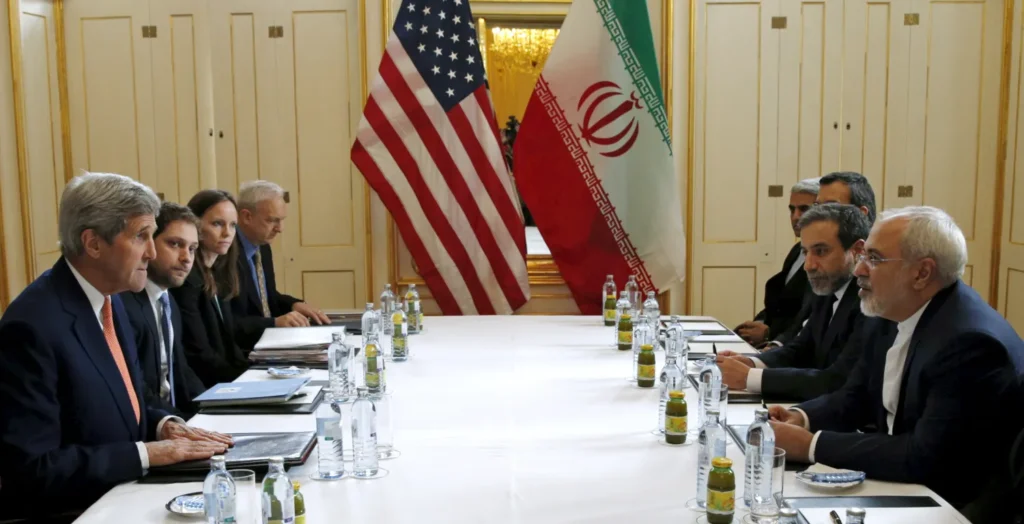
The duration of a uranium enrichment freeze is another matter that will suffice during the talks, and so is the future of Iran’s three major nuclear facilities at Natanz, Fordow, and Isfahan. Getting down to these technical matters is just as cumbersome as the structural challenges that will hover over the 60-day period.
The MoU, as its various clauses suggest, stays intact on the premise of no-threatening, no use of force. Force, for the Trump administration, is one of the many stops on the way to strengthening its bargaining position – which in this case did not work out. But has the realization already been absorbed and lessons learned? Or, as Trump was saying just yesterday at the G7, we will drop bombs again if…
Another structural fault line is Lebanon. Israel is not a party to any of these arrangements taking place. And as its history goes, never bound to behave well. The MoU says fighting stops on all fronts including Lebanon. But who will guarantee that? Guarantors are completely missing in these talks that will ensue. Sure there are mediators but when JACPOA happened, even Russia and China were on the table; not to mention US’ European allies.
Even the US-Iran final deal will come into effect as a binding UN Security Council resolution but what about the process? Trump, as the war has established, stands pretty alienated from his European partners; who at this point care the most about the Strait of Hormuz and an uninterrupted flow of energy.
Read More: Trump Urges Netanyahu to Exercise Caution Over Lebanon as US-Iran Deal Advances
For Israel and the Gulf allies – who took the blows on Trump’s behalf – Trump has sidelined any possibility of Iran’s missile program to fall within the scope of these talks and the final deal, as he mentioned it will be discussed separately. And this means, there are many unhappy faces the president is dealing with.
Speaking of JACPOA again, Obama’s chief negotiator was a Nobel Laureate in Physics, and not a one-man team. Technical experts were as much included as political negotiators. Compare and contrast, Trump’s chief negotiators – Witkoff and Kushner – are experts in money matters. Is that a disadvantage? We do not know yet.
As the negotiations have followed since the earlier ceasefire of April 8, there is one perception that now runs deep within the US negotiators – Iran needs its assets unlocked. And one step ahead, they assume compliance can be bought in return. Either this assumption produces a final deal or the US, once again, did not know Iran enough.

Nuzhat Rana is the Managing Editor (website) at The Diplomatic Insight.