Shenzhen (TDI): Chinese President Xi Jinping has called on Asia-Pacific economies to strengthen regional unity, uphold free and open trade, and deepen economic cooperation amid rising protectionism, unilateralism and uncertainty in the global economy.
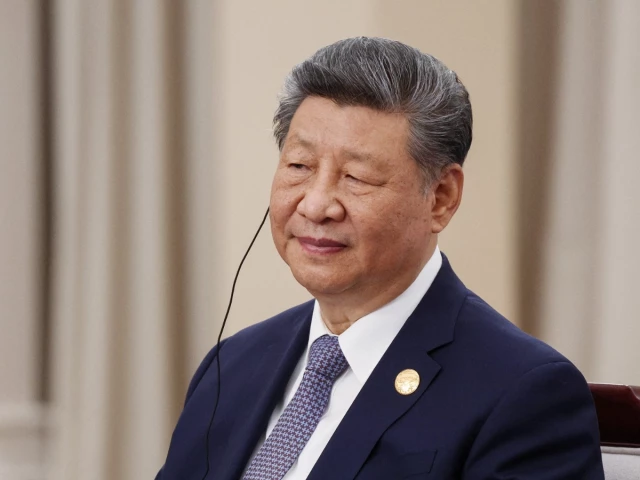
Addressing the APEC CEO Summit 2026 in Shenzhen, Guangdong province, on Wednesday, Xi warned against economic isolation and urged regional economies to work together to sustain growth and respond to mounting global challenges.
According to the speech released by China’s state news agency Xinhua, Xi said the Asia-Pacific region faced important choices between openness and protectionism, cooperation and confrontation, and adapting to change or relying on outdated approaches.
“Global growth lacks momentum, and unilateralism and protectionism are rampant,” Xi said, while noting that international trade continued to expand despite economic headwinds and that technological breakthroughs were rapidly reshaping the global economy.
As China hosts the APEC forum for the third time, Xi urged member economies to jointly build an Asia-Pacific community and pursue shared prosperity through stronger regional partnerships.
He outlined four priorities: maintaining peace and stability, strengthening openness and cooperation, using innovation to drive economic growth, and ensuring development benefits economies and communities across the region.
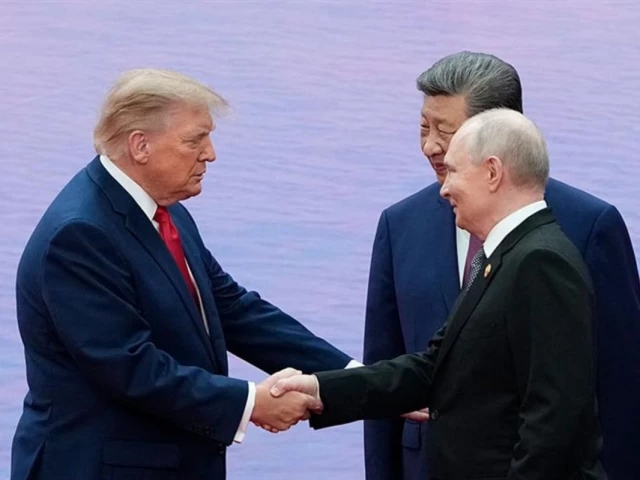
Read More:Xi, Trump and Putin Exchange Greetings Ahead of Historic Trilateral Summit
On regional security, the Chinese president said economic prosperity could not be sustained without security, while lasting security required stability.
He argued that the relatively stable environment maintained in the Asia-Pacific over recent decades had supported economic progress and helped transform the region into one of the world’s major engines of growth.
Xi called for upholding the postwar international order, promoting an “equality-based and orderly multipolar world” and advancing inclusive globalization.
He also urged countries to resolve differences through dialogue and consultation rather than confrontation, emphasizing solidarity as a means of addressing shared challenges.
Emphasizing the importance of trade and investment, Xi called on APEC members to safeguard the World Trade Organization-centred, rules-based multilateral trading system and maintain open international commerce.
He stressed the need to keep global industrial and supply chains stable and uninterrupted, warning against policies that could undermine regional economic connectivity.
Xi also advocated progress towards the proposed Free Trade Area of the Asia-Pacific, alongside stronger regional infrastructure links and expanded cooperation in digital trade, cross-border e-commerce, smart customs systems and industrial supply chains.
The proposed free trade area has been part of APEC’s broader regional integration agenda, although negotiations and implementation remain dependent on agreement among participating economies.
Xi identified technological innovation as another major pillar of Asia-Pacific economic development, highlighting the region’s contributions to scientific and technological progress.
He pointed to the growth of technology startups, large artificial intelligence models and innovations that are increasingly transforming industries and everyday life.
The Chinese president called for stronger partnerships in science, technology and innovation, particularly in artificial intelligence and the digital economy.
Read More: Three Presidents, One Table: A New Yalta?
He also urged APEC members to accelerate the transition towards green and low-carbon development, arguing that technological advances should be translated into tangible economic benefits.
The Chinese leader also stressed that regional development strategies should reflect the different economic conditions, histories and cultures of individual economies.
He said countries at different stages of development could not be expected to follow a uniform approach, calling instead for the removal of trade and investment barriers and a fairer distribution of economic gains.
Xi urged greater economic and technical assistance for developing economies and expanded cooperation in transport, public health, energy, food security and anti-corruption efforts.
Highlighting the economic importance of major coastal hubs, he noted that the Asia-Pacific was home to some of the world’s most significant bay areas, where open economies and interconnected markets had supported economic growth.
He announced China’s support for establishing a World Association for Bay Areas Economic Cooperation to encourage exchanges among major bay areas globally and explore new opportunities for regional economic collaboration.