In Thai traditions, a White Champi (also called dok jampee, ดอกจำปี) is emblem of a love that never fades. An ivorish white presence, tips slightly curled in, with pale petals tendering into clusters of stamens at the core.
An ivory shade that adorns, reminiscent of candlelight nestled among deep green leaves. Interestingly, the serenity of White Champi does not merely rest in its finesse, but in its soft, creamy fragrance that, even after picked and sand dried, keeps its scent rather than losing it.
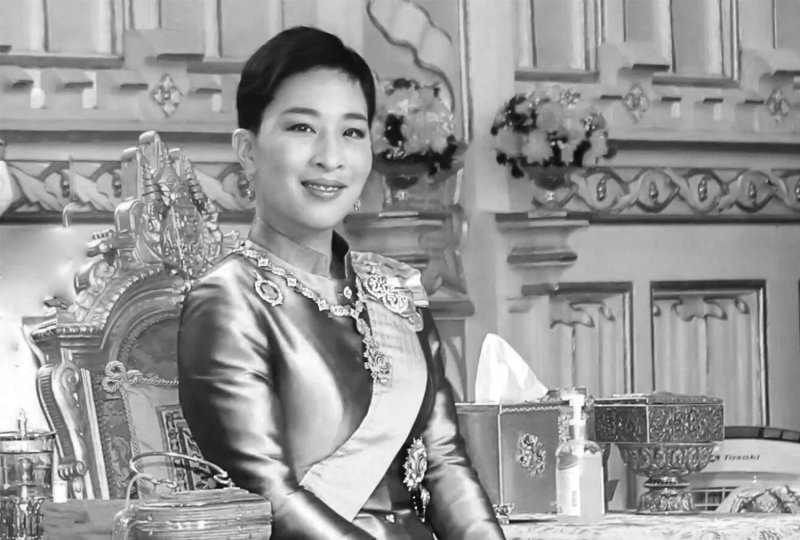
On 11 June 2026, the Bureau of the Royal Household solemnly announced the passing of Her Royal Highness Princess Bajrakitiyabha Narendiradebyavati Kromluangrajasarinisiribajra Mahavajrarajadhita. Like a white champi, Thailand lost a beautiful flower, but its fragrance will remain. This is evident in the precedents her work has set, a legacy that continues to be felt and appreciated well beyond her passing.
For ages, the border between the royal worlds stood wide. “Princess Bha” the name itself softened the bridges between royalty and the masses. Her path toward public welfare was set early. Following her Cornell legal studies, she visited the Central Women’s Correctional Institution and was struck by the conditions faced by female inmates, many of them mothers raising children inside prison walls.
Read More: Farewell to Thailand’s Queen Mother
That visit became the foundation of Kamlangjai, the “Inspire” project she built to support incarcerated women and ease their return to society after release.
Her advocacy reached further still: through her efforts, the Thai government brought a resolution before the UN Commission on Crime Prevention and Criminal Justice, which eventually led the General Assembly to adopt the famous Bangkok Rules, the first set of universal guidelines addressing how women are treated within justice systems built, until then, almost entirely around men.
Her sense of duty extended beyond the courtrooms and into disaster zones. In 1995, she helped found what would become the Friends in Need (of “PA”) Volunteers Foundation under the Thai Red Cross Society, an organization built to respond whenever flood or disaster struck. She did not lead it from behind a desk.
She insisted on data-driven assessments of what flood victims truly needed, and on at least one occasion in Nakhon Si Thammarat, when relief had to reach villagers scattered kilometers apart, she ran the distance herself rather than make people wait, a royalty truly deserved.
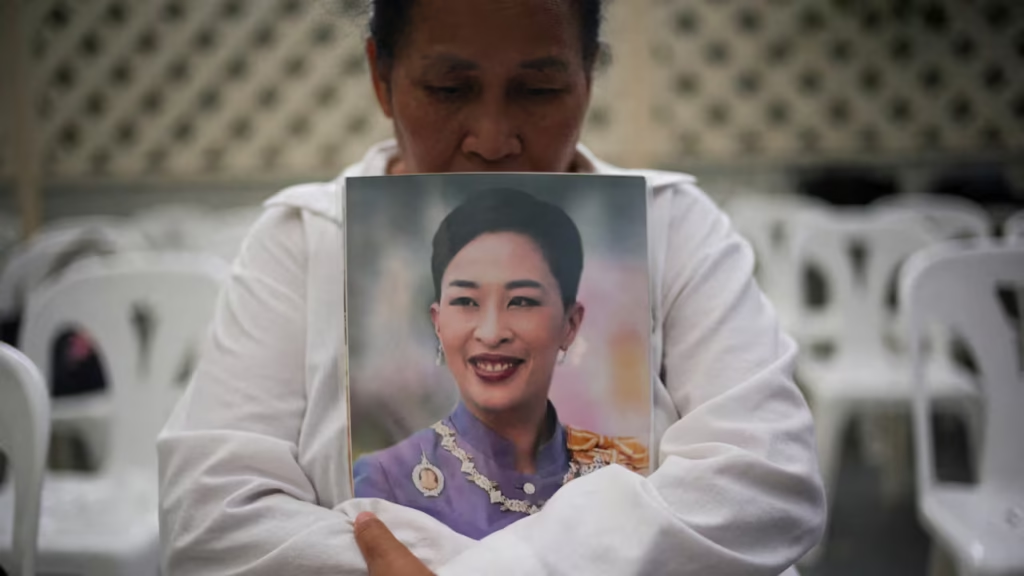
On the international stage, she carried Thailand’s voice with the same gravity. She represented the country at the UN General Assembly, working across crime prevention, migration, human rights, and counter-terrorism, and later served as Thailand’s ambassador to Austria.
The United Nations recognized her contributions to legal education and prison reform with its own medal of honor, while organizations devoted to women’s welfare named her a goodwill ambassador in their fight against violence and injustice.
Away from formal duty, those close to her describe a gentler side: a woman who took in stray, abandoned, and disabled dogs as her own, and who built a kennel to train working dogs to international standards, even as her public schedule grew heavier.
Read More: Thailand Enters National Mourning After Death of Princess Bajrakitiyabha
She once explained, simply, where it all came from: having followed her grandfather, King Bhumibol, on his visits to ordinary people since she was young, she decided early that her own life’s work should benefit the people and the country.
Like the white champi, whose scent lingers long after the bloom is gone, “Her Royal Highness Princess Bajrakitiyabha Narendiradebyavati Kromluangrajasarinisiribajra Mahavajrarajadhita’s legacy does not end with her passing. It remains in the women given a second chance through Kamlangjai, in the families who received relief carried by her own hands, in the institutions and international guidelines that now bear Thailand’s name.
Hers is precisely the kind of presence Thai tradition has long entrusted to that pale, modest flower: not overwhelming but gracefully lasting.
To His Majesty the King, the Royal Family, and the people of Thailand who mourn her, our deepest condolences. May her memory, like the fragrance she leaves behind, continue to comfort and guide for a long time to come.

Samia Tanveer
Samia Tanveer is pursuing a degree in International Relations at Government College University Lahore. She is engaged in developing Youth Naama, a youth-led diplomatic forum. Her interests lie in policy-making and South Asian research. She can be reached at [email protected]