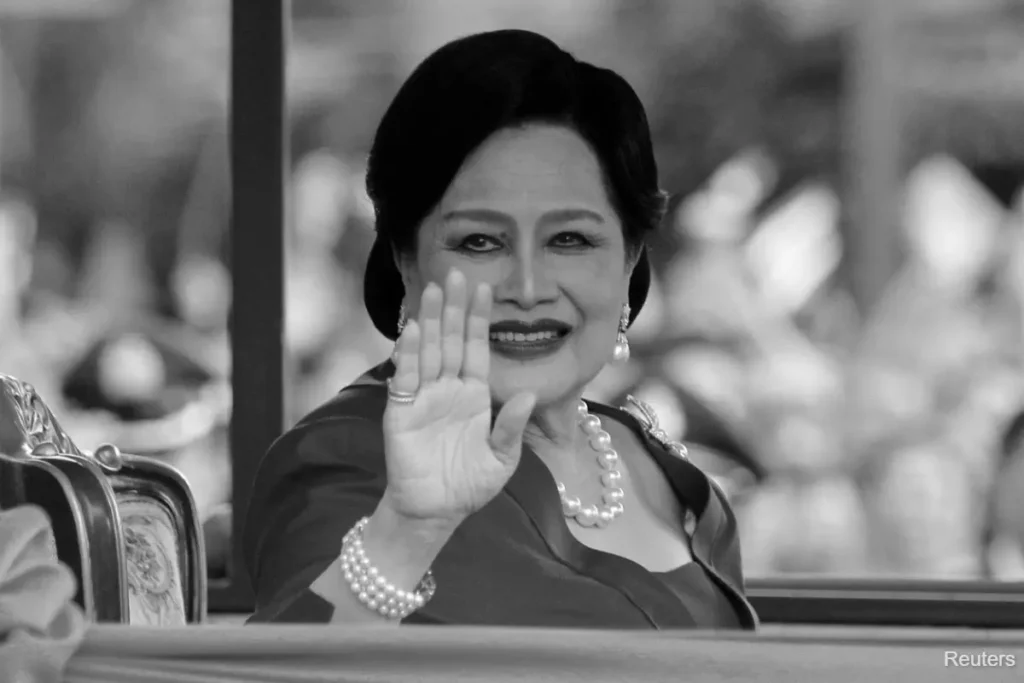
“True service is doing one’s duty for the benefit of others, not expecting personal gain, but for the good of the nation.” – Queen Sirikit
The queen who once dedicated her life to comforting others has now left her people in tears. Queen Sirikit of Thailand, the beloved wife of the late King Bhumibol Adulyadej and mother of the current monarch, King Maha Vajiralongkorn, passed away on October 24, 2025, at the age of 93.
She died at Chulalongkorn Hospital in Bangkok after several years of ill health, leaving behind a legacy woven with beauty, compassion, and quiet power.
Early Life and Marriage
Born on August 12, 1932, in Bangkok, Sirikit Kitiyakara came from an aristocratic family. Her father, Prince Nakkhatra Mangkala, was Thailand’s ambassador to France, and it was there that she met Prince Bhumibol Adulyadej.
That love turned into one of the most enduring royal partnerships in the world. They married in 1950, just before Bhumibol’s coronation. She was 17 years old, and he would become Thailand’s longest-reigning monarch.
Together, they became symbols of unity and faith for the Thai people, balancing royal tradition with a deep personal humility that made them accessible to millions.

However, in the 1950s and 1960s, Queen Sirikit became an international figure of grace. She worked closely with French designer Pierre Balmain to create elegant dresses using Thai silk to showcase the craft on royal tours around the world. Her refined style brought global attention to Thailand’s artistry and inspired pride in local culture.
She believed in showing the world the art of Thai silk, which she valued not merely as fashion but as a living thread of heritage and identity. For Queen Sirikit, every weave carried the story of her people – their patience, creativity, and pride. Her passion was unmistakable.
Under her guidance, local weaving communities blossomed across the country. She turned traditional fabric into a symbol of national pride, reviving Thailand’s textile industry and creating new economic opportunities for rural women.
Charitable Work and Rural Development
Queen Sirikit’s greatest achievements lay not only in fashion or diplomacy, but in her charitable and social work as well. She believed that the strength of a nation came from the well-being of its people, especially those who lived far from the capital.
For over four decades, she and King Bhumibol traveled across Thailand, visiting villages, rice fields, and schools. She often sat on mats with farmers, listening to their stories, learning about their crops, and helping them find ways to improve their livelihoods.
In 1976, she founded the SUPPORT Foundation (Foundation for the Promotion of Supplementary Occupations and Related Techniques). The program trained rural families (especially women) in skills like weaving, embroidery, pottery, and traditional craftsmanship. These projects gave thousands of women the ability to earn income while preserving Thai traditions.
Her philosophy was simple: If we give people knowledge and pride in their work, they will never feel poor. She said:
“I am always proud that every Thai has the blood of a craftsman. All they need is an opportunity to learn and they will showcase their skills.” – Queen Sirikit
This vision led her to preserve Thai craftsmanship for future generations. She also encouraged silk and mulberry farming while promoting natural dyes and sustainable agriculture even long before sustainability became a global buzzword.
Throughout the 1980s and 1990s, she also established projects for environmental conservation, wildlife protection, and disaster relief. The Queen Sirikit Botanical Garden, Queen Sirikit Museum of Textiles, and multiple hospitals and rehabilitation centers across the country carry her name and her vision.
In remote areas, she helped create mobile medical units that brought healthcare to those who had never seen a doctor before. She personally sponsored homes for orphans and programs for mothers and children affected by poverty or illness.
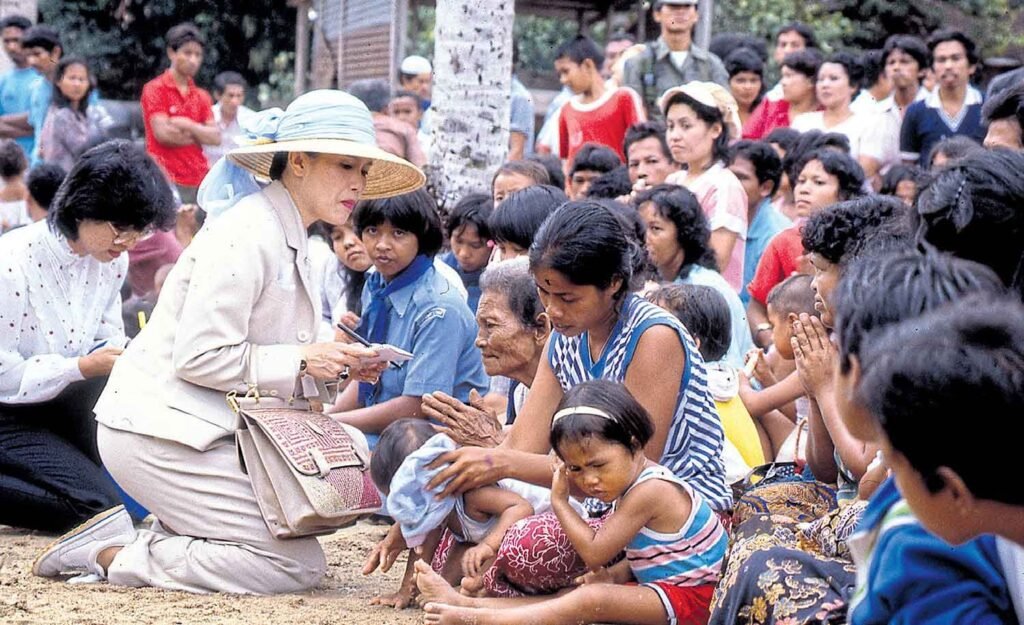
Her compassion became a cornerstone of Thailand’s social development. Her focus on women’s and children’s health helped extend public healthcare to rural areas that had previously been neglected.
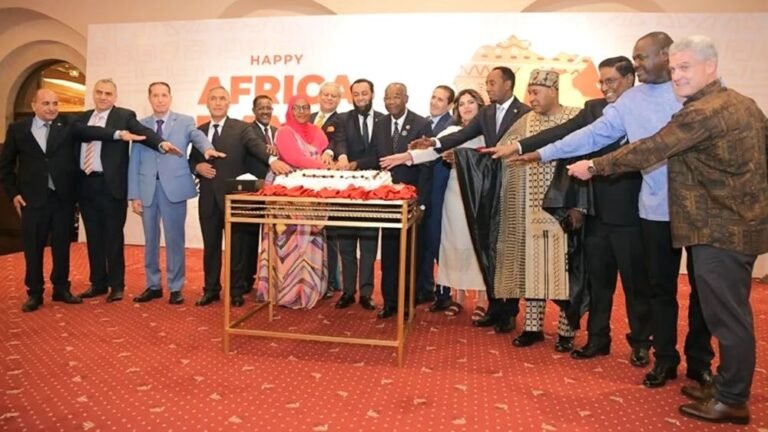
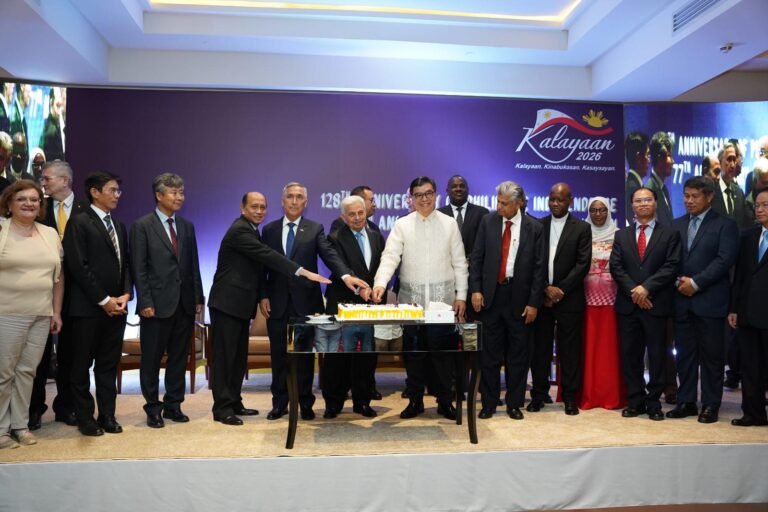
Even till today, she continued using Thai arts as a form of diplomacy. A recent event organized by the royal Thai embassy was launched to honor the legacy of HM Queen Sirikit. These global showcases helped make Thai textiles and jewelry internationally recognized.
In the 2000s, Queen Sirikit reshaped the image of Thai royalty. She transformed it from a distant symbol into a living force of compassion. Her Queen Sirikit Museum of Textiles (officially opened in 2003 inside Bangkok’s Grand Palace) was one of her final cultural gifts to Thailand. It is a place dedicated to preserving the artistry she championed all her life.
Moreover, her focus on women’s empowerment, healthcare, sustainable livelihoods, and cultural preservation defined an era of progress. Through these decades of tireless dedication, she became known as Mae Luang, “the Great Mother.”
Yet, just as she envisioned new projects for the betterment of her people, fate intervened. The queen who spent her life caring for others soon faced her own years of frailty.
A Quiet Strength in Later Years
In 2012, Queen Sirikit suffered a stroke, which marked the beginning of her quiet withdrawal from public life. Even as her health declined, her influence never faded. Every year, on August 12, her birthday continued to be celebrated as Mother’s Day, with the nation glowing in lights and heartfelt tributes.
By 2019, she had been hospitalized with ongoing illnesses, surrounded by prayers from across the country. Then, in October 2025, Thailand’s beloved queen took her final rest.
Her passing reminded the world that when monarchs truly serve their people, their love is returned a thousandfolds. All queens who rule with compassion earn a place in the hearts of their people.
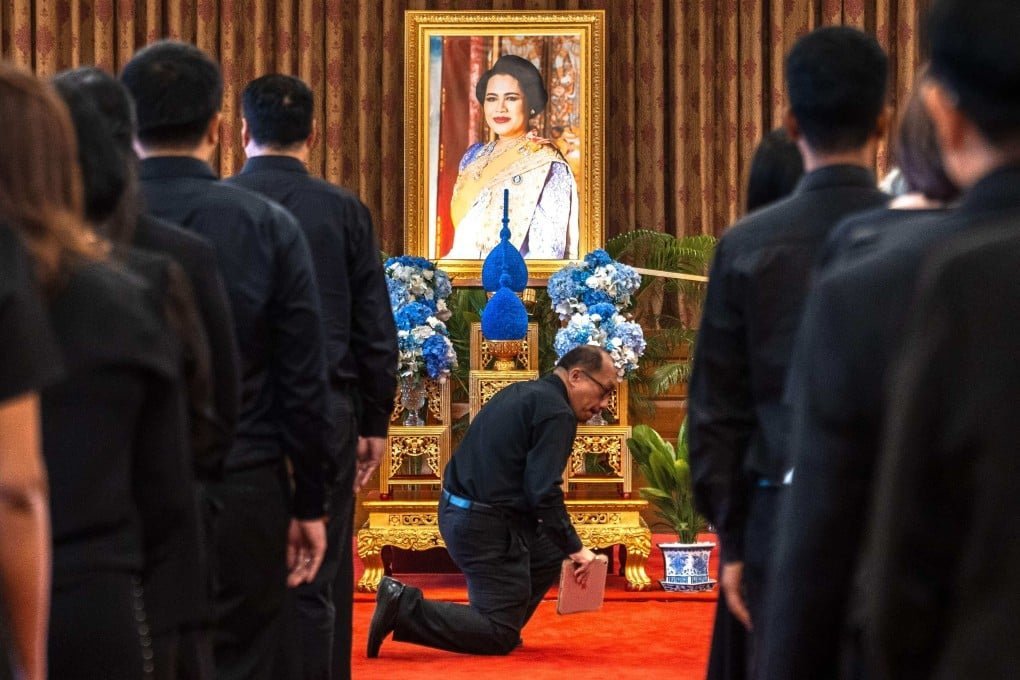
Following her death, Thailand entered a year-long mourning period for officials, with the public asked to wear black for 90 days. Shops across the country ran out of black clothing as millions of Thais expressed their grief.
Her body now lies in state at the Grand Palace, where mourners continue to visit and bow in silence before her portrait.
Today, Thailand grieves not only a monarch but a mother. A woman whose love, like the silk she cherished, remains strong, gentle, and everlasting.
For a reflection on how royal women continue to balance duty and empathy in modern times, read Sweden’s Heir Marks 48 Years of Duty and Global Advocacy.
Her Legacy and the Future
Queen Sirikit’s legacy reaches beyond royalty. She leaves behind a vision of Thailand built on cultural pride, women’s empowerment, and community well-being.
As Thailand faces new social and political transitions, her work remains a model of compassionate leadership which is rooted not in power but in empathy.
Her son, King Maha Vajiralongkorn, now carries the weight of that legacy. While questions about succession continue to surround the monarchy, Queen Sirikit’s example stands as a moral and emotional foundation for the royal family and the Thai people alike.

Noor ul Sabah
Noor ul Sabah is a feminist researcher focused on intersectional approaches to gender, technology, and governance. Her work explores how power and identity shape experiences of violence, migration, and citizenship.