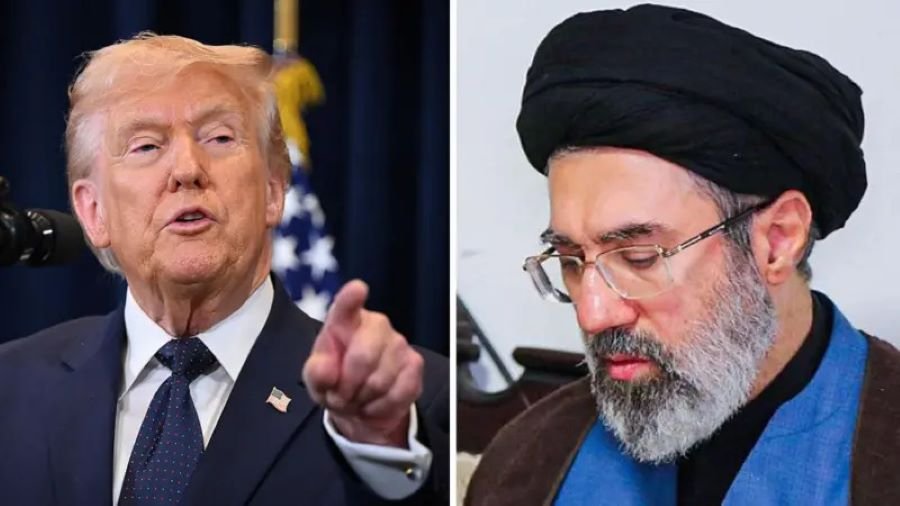
Islamabad (TDI): The United States and Iran have released separate versions of the memorandum of understanding aimed at ending months of conflict, with both documents outlining a largely shared roadmap despite differences in wording and political emphasis.
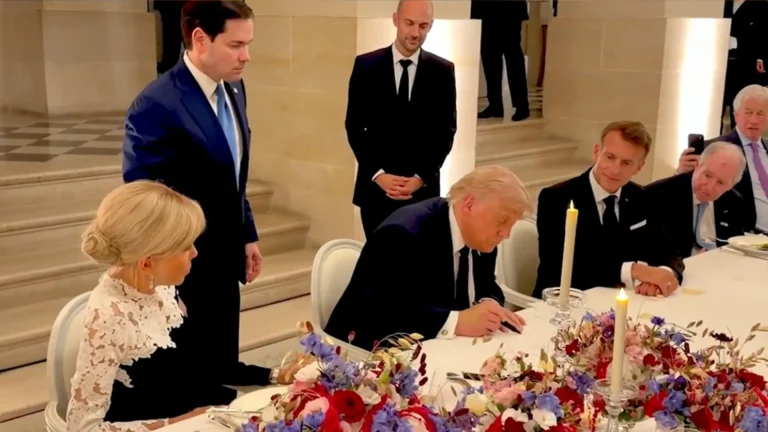
The agreement formally entered into effect after being signed by the presidents of both countries, according to Iranian Foreign Ministry spokesman Esmail Baghaei, who said implementation of some provisions had already begun.
While Washington and Tehran frame several issues differently, both versions commit to ending hostilities, reopening maritime routes, easing economic restrictions on Iran and launching negotiations toward a final agreement within 60 days.
At the heart of both documents is a commitment to an immediate and permanent ceasefire across all fronts, including Lebanon, along with a pledge to refrain from future threats or military action.
The two sides also agree to respect each other’s sovereignty, avoid interference in domestic affairs and pursue a comprehensive settlement through negotiations that can be extended by mutual consent.
Read More: Oil Slips Again After US–Iran Interim Agreement
Both texts envision the eventual lifting of sanctions on Iran, the release of frozen Iranian assets, the restoration of commercial shipping through the Strait of Hormuz and the creation of a mechanism to oversee implementation of any final agreement.
The memorandum further proposes a $300 billion reconstruction and economic development package for Iran, backed by regional partners, and states that any final deal would be endorsed through a binding United Nations Security Council resolution.
One notable difference concerns Lebanon. The US version refers to ending military operations on all fronts, including Lebanon, as part of the broader ceasefire framework. Iran’s version goes further by explicitly linking the agreement to the protection of Lebanon’s sovereignty and territorial integrity and describing the cessation of hostilities there as a central element of any future settlement.
Both documents state that Washington will work toward ending sanctions imposed on Iran, including primary and secondary sanctions as well as restrictions linked to UN and IAEA measures. However, Tehran’s version places greater emphasis on sanctions relief, portraying it as a core objective of the negotiations and tying it to a clearly defined timetable in any final agreement.
Read More: PM Shehbaz Says US–Iran MoU Signed Electronically, Hormuz to Reopen Immediately
Both sides also agree that the United States would issue waivers allowing Iranian oil and petrochemical exports, along with related banking, insurance and transportation services.
The two texts largely overlap on arrangements concerning the Strait of Hormuz. Washington commits to lifting the naval blockade and restoring maritime traffic, while Iran undertakes to facilitate the safe movement of commercial vessels through the Gulf and Gulf of Oman.
Iran’s version includes additional references to maintaining toll-free passage for 60 days and consultations with Oman and Gulf states regarding the future management of the strategic waterway.
On the nuclear issue, both sides reiterate that Iran will not develop nuclear weapons and agree that future talks will address enriched uranium stockpiles and other nuclear-related matters. Tehran’s document provides more technical detail, including references to possible IAEA-supervised measures and negotiations aimed at meeting Iran’s civilian nuclear requirements.
Both versions make clear that implementation of key provisions, including the ceasefire, maritime arrangements, oil exports and access to frozen assets, will begin before negotiations on a final agreement are concluded.