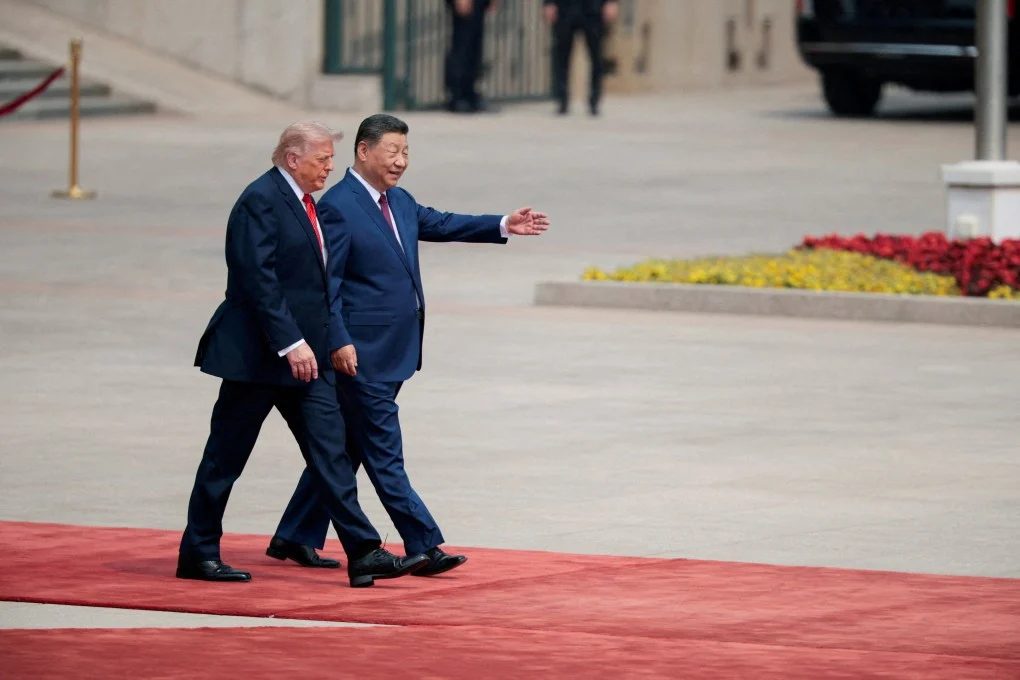
Not every visit by a head of state comes with a guard of honor and a state banquet. Understanding how diplomatic visits differ, and why protocol governs each of them, reveals how international relations actually work beyond the optics.
Public perception often assumes that every visit by a president or prime minister involves elaborate ceremonies, red carpets, and grand banquets. In reality, diplomatic visits vary significantly in purpose and protocol and the differences are far from cosmetic. They signal intent, calibrate relationships, and shape what can be achieved once the delegations sit down to talk.
Understanding the distinctions between state, official, and working visits clarifies expectations and reveals how diplomacy functions in practice.
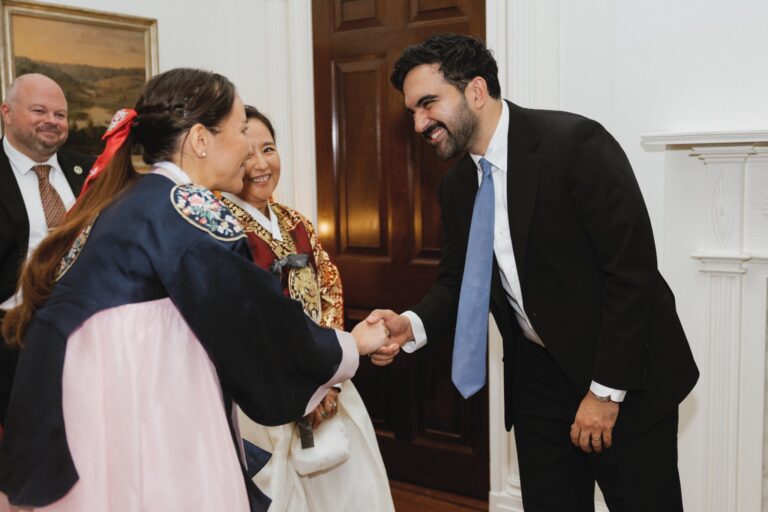
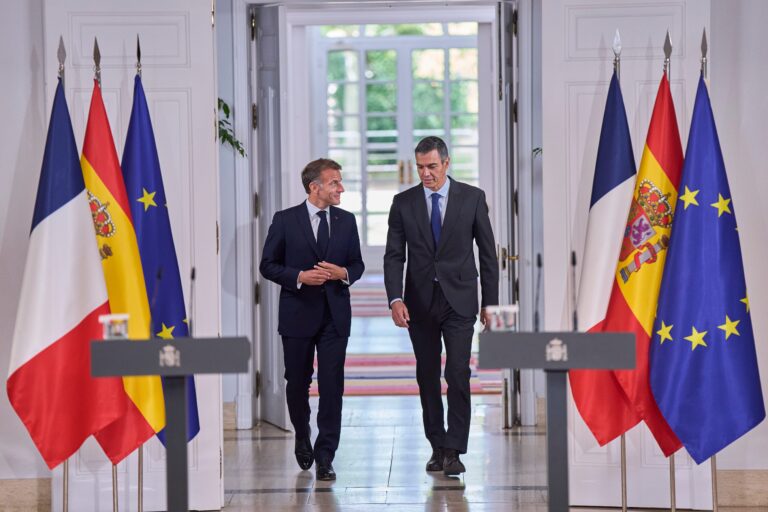
A state visit is the most formal type of diplomatic engagement, conducted between heads of state at the invitation of the host country. It carries full ceremonial honors: a guard of honor, national anthems, and in many traditions a 21-gun salute, alongside state banquets, cultural programs, and the exchange of official gifts.
Read More: World Protocol Matters Conference Calls to Elevate Protocol Profession
These are multi-day events, with the host country covering most expenses. State visits symbolise strong bilateral relations and mutual respect, and precisely because they carry such weight, they remain relatively rare.
An official visit maintains a formal tone but involves fewer ceremonial elements, concentrating on governmental discussions. Honors are limited, the program is shorter, usually one to two days and the emphasis falls on working meetings, bilateral cooperation, and policy.
Expenses may be shared or borne by the visiting government. Official visits are common for heads of government and senior officials, though they can also involve heads of state.
A working visit prioritizes efficiency and substantive dialogue over ceremony. Often arranged to address urgent or specific matters, it involves minimal protocol, focused meetings on trade, security, or negotiations, and a short duration.
Spouses and large delegations usually do not take part, and media attention is limited. The absence of ceremony does not diminish the visit’s importance; it reflects the practical nature of the engagement.
Protocol as a Language
Across all three, protocol is far more than etiquette; it is a language of international relations. Every detail, from seating arrangements to the order of speeches, communicates political meaning.
Through ceremonial precision, states demonstrate mutual respect, sovereign equality, and diplomatic recognition. In many cases, protocol functions as a subtle but powerful form of political signaling.
This is most visible at the level of the state visit, where formal negotiation and symbolic performance run in parallel, reinforcing a bilateral relationship while sending messages to both domestic and global audiences.
The familiar structure, the welcome ceremony, the bilateral meetings, the state dinner, the cultural and memorial engagements, is not decoration. It is a carefully designed framework that reduces uncertainty and builds trust between governments.
Protocol becomes especially critical in managing political sensitivities. Decisions about precedence, titles, symbols, and even the exchange of gifts can shape perceptions of legitimacy, historical memory, and political hierarchy. A minor deviation can unintentionally escalate tension, while ceremonial accuracy signals competence, professionalism, and respect.
The same logic governs what is left out: a downgraded welcome, a postponed handshake, or an omitted toast can be read as a deliberate message just as clearly as the gestures that are performed. In diplomacy, the form of a gesture is rarely separable from its substance.
Behind the Scenes
Beyond the complex organizational and logistical demands, protocol teams coordinate multi-day programs that integrate the political, economic, cultural, and, increasingly, digital dimensions of diplomacy. State and official visits frequently bring delegations of diplomats, trade officials, and advisers, allowing symbolic interaction to translate into substantive cooperation.
It is here that the ceremonial and the strategic converge most clearly. Far from being purely decorative, these visits are active diplomatic instruments, where vigorous negotiation unfolds alongside the formal honors.
Major announcements, significant investment or trade agreements, security arrangements, new frameworks for cooperation, are often timed deliberately to coincide with a visit, lending political weight to the outcome and a public stage to the relationship.
Read More: Protocol: The Invisible Force Behind Effective Diplomacy
The visit itself is frequently the culmination of months of quiet preparatory work by officials on both sides, with the ceremony serving to ratify and publicize agreements that were substantially settled in advance.
Diplomatic visits are designed to match the purpose of the engagement. A state visit symbolizes long-term partnership and mutual respect; a working visit emphasizes efficiency and problem-solving; an official visit sits between the two.
The choice of visit type is itself a message: elevating an engagement to a state visit, or quietly keeping it at working level, tells observers how a host wishes a relationship to be seen. Recognizing these differences helps manage public expectations and offers a clearer understanding of how international relations operate beyond the optics.
Ultimately, state and diplomatic visits remind us that diplomacy remains a deeply human process. Ritual, symbolism, and structured interaction continue to shape relations between nations, strengthening relationships, communicating strategic priorities, and reinforcing the mutual recognition on which cooperation depends.

Catalina Bora
Catalina Bora is the founder of the Institute of Etiquette and Protocol. She can be reached at [email protected]