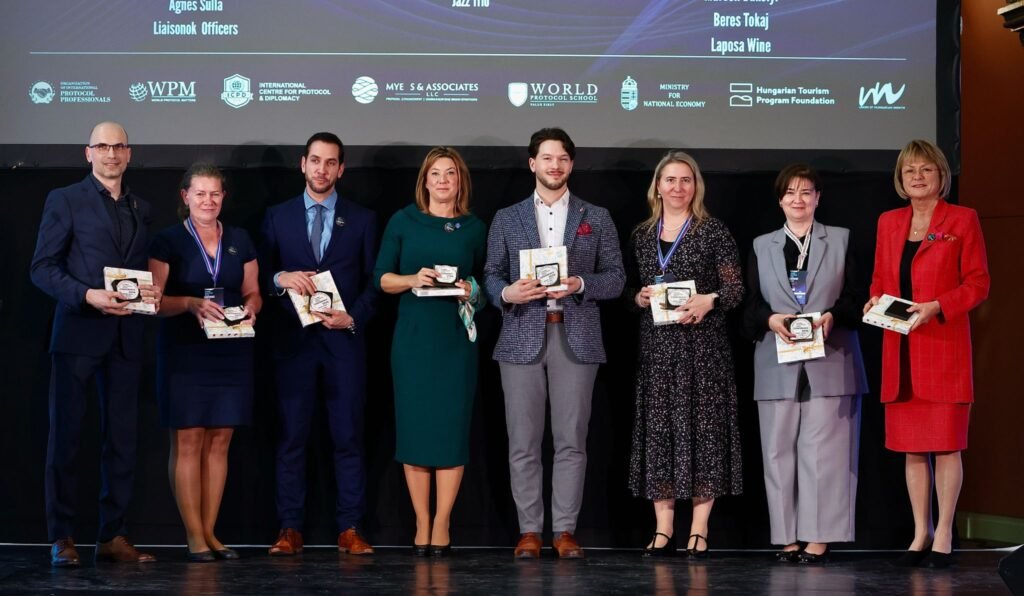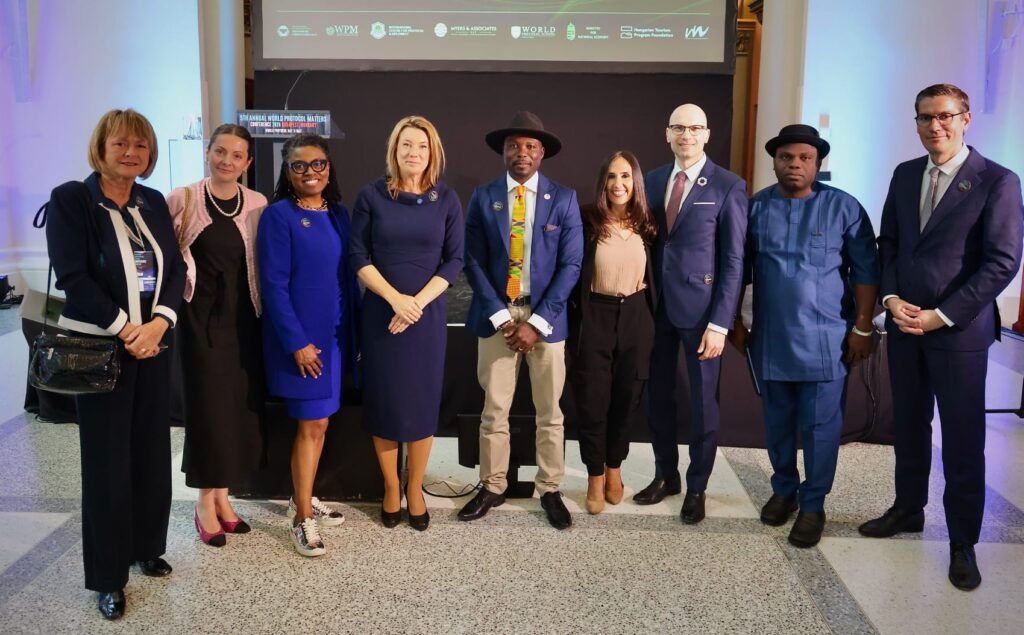
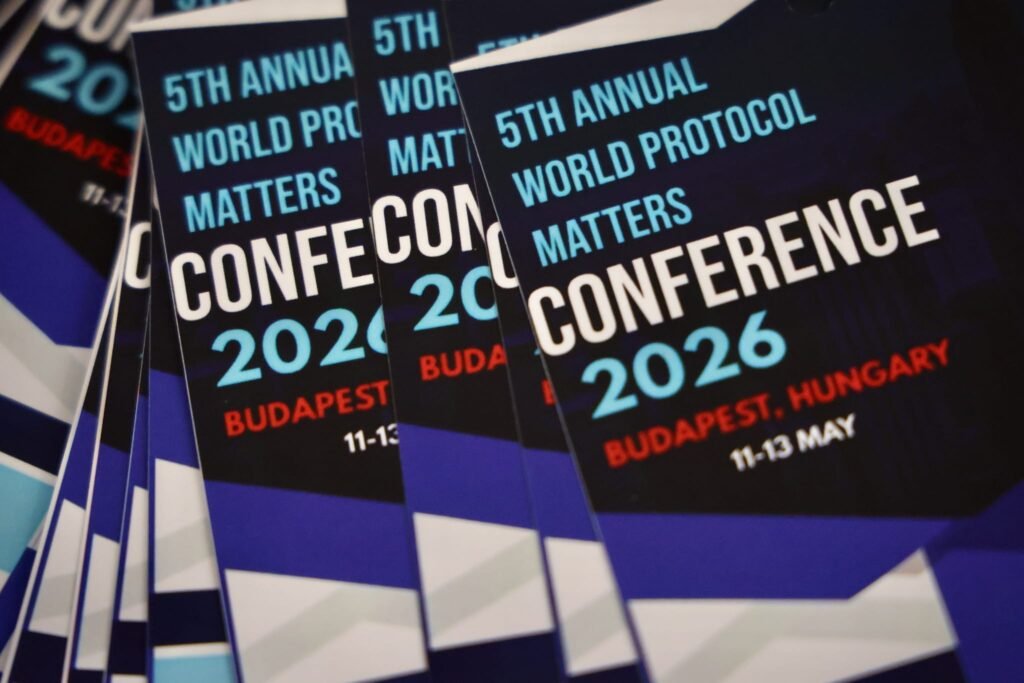
Budapest (TDI): The 5th Annual World Protocol Matters Conference (WPMC) 2026 wrapped up in Budapest on 13th May, bringing together representatives from 47 countries for three days of discussion, debate and advocacy centered on a the centrality of protocol.
Organized by the Organization of International Protocol Professionals (OIPP) alongside the World Protocol School and Magazine, the summit started on 11 May at the Hungarian capital, with backing from the Hungarian Tourism Program Foundation.
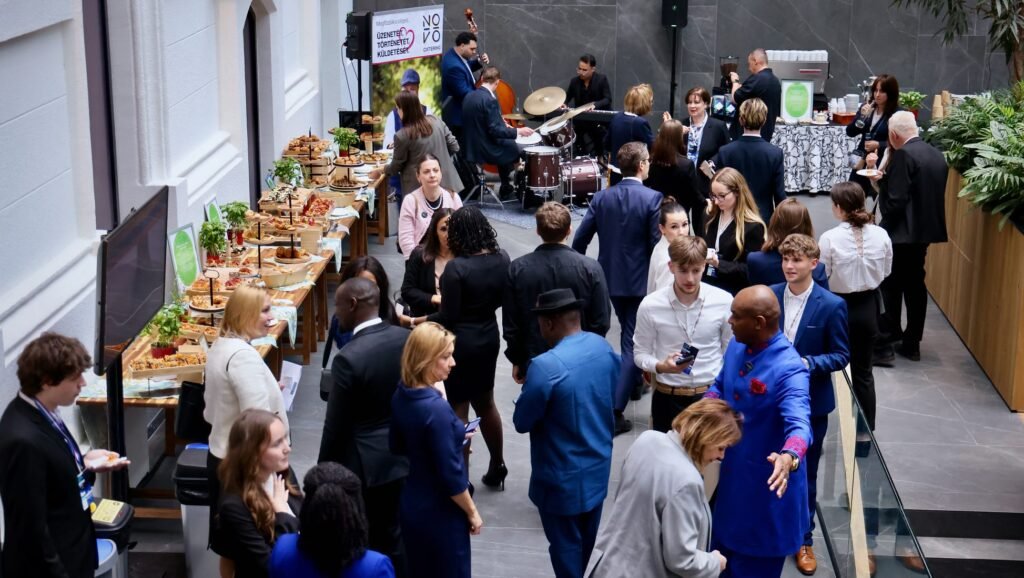
It drew a roster of distinguished voices, including former Hungarian President Pál Schmitt, himself a former IOC Chief of Protocol, alongside former ambassadors, academics and senior diplomatic officials from across the globe.
Speakers repeatedly pointed to what they described as an accelerating challenge; in an era of social media and heightened geopolitical tension, the rules and rituals that govern how nations interact with one another are increasingly being tested.
Read More: Protocol: The Invisible Force Behind Effective Diplomacy
Protocol, they stressed, needs a stronger institutional foundation if it is to serve as a reliable instrument of soft power. Central to the conference was a push for the United Nations to officially recognize 11 May as World Protocol Day.
Organizers are actively courting the support of chiefs of protocol, embassies and national governments around the world.
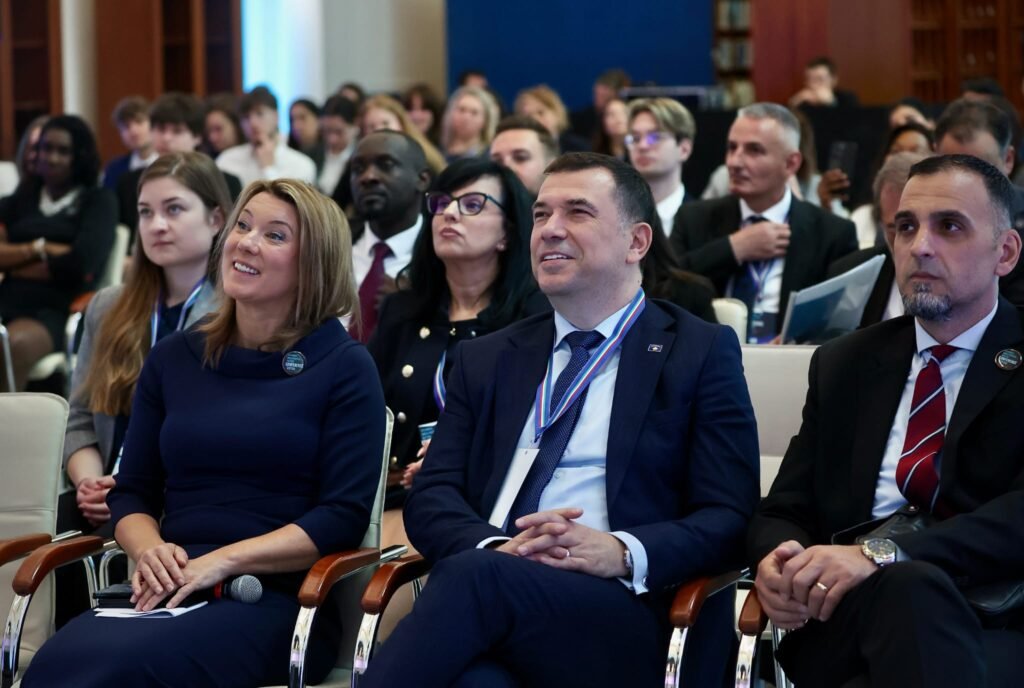
Notably, speakers highlighted that even the act of formally submitting such a proposal carries diplomatic weight; particularly for smaller UN member states looking to raise their international profile.
Equally prominent was a call to embed protocol studies into accredited university curricula, with advocates pushing for the discipline to be available at doctoral level worldwide.
Read More: Protocol: The Present and the Future of a Global Profession
A dedicated Protocol Round Table, chaired by OIPP President and WPMC founder Dr. Nikoletta Hossó, framed the effort within the United Nations’ Sustainable Development Goal 4, which focuses on quality education.
“Protocol is a strategic tool and a changemaker in international relations,” said Dr. Hossó. “It is time it receives the accreditation, academic standing and institutional attention necessary to groom and grow the next generation of protocol leaders on the world stage.”
The conference closed with recognition of contributors and a closely watched announcement: the location of WPMC 2027.
Speakers noted that competing to host the annual summit has itself become a form of smart diplomacy; a way for nations to boost visibility and sharpen their voice on the global stage.