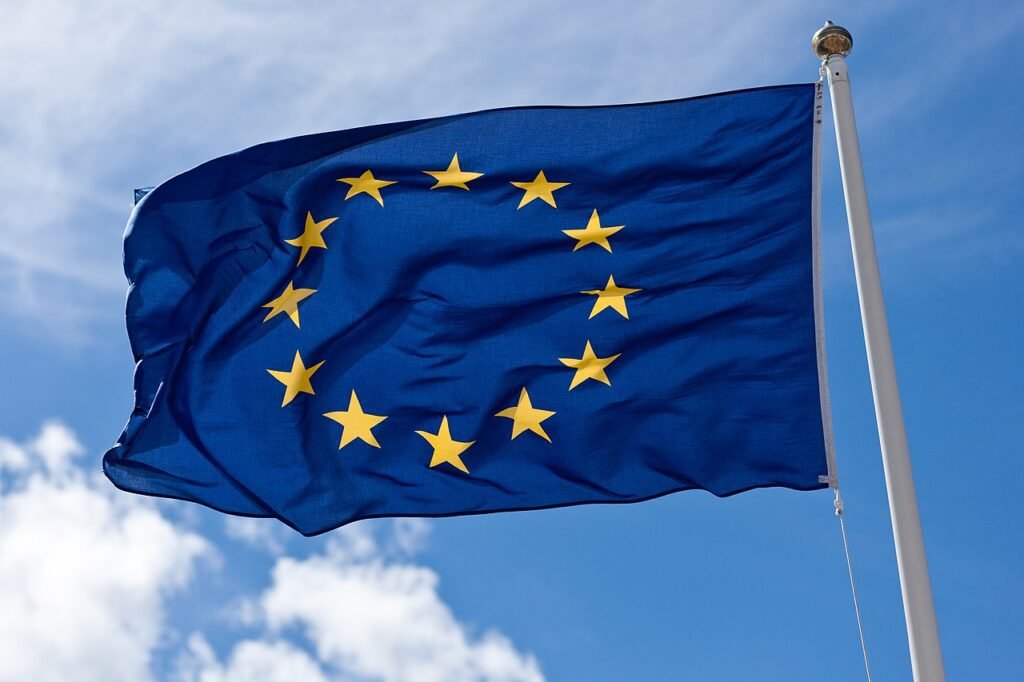
Brussels (TDI): The Council of the European Union has approved new safeguard measures designed to protect the EU’s steel industry, replacing the existing system that will expire on June 30.
According to an official statement, the new framework aims to strengthen the bloc’s ability to respond to global market distortions, ensure fair competition, and provide greater stability for both steel producers and industries that depend on steel.
The updated rules introduce a revised tariff-rate quota (TRQ) system and allow unused import quotas to be carried over within the same year. The EU said the changes are intended to maintain supply for downstream industries while staying consistent with international trade obligations.
To improve oversight and prevent circumvention of the rules, the regulation also tightens origin requirements through a “smelting and casting” provision, which helps determine where steel products are produced.
Read More: Beijing Calls EU Supply-Chain Links With China Natural, Market Driven
The system includes a stronger review mechanism, giving the European Commission the authority to reassess and adjust the measures based on market changes and global overcapacity in steel production.
In a joint declaration, EU institutions also reaffirmed their commitment to reducing dependence on Russian steel imports and continuing efforts to diversify supply sources.
Read More: EU Leaders Descend on Montenegro for Historic Enlargement Summit
The new regulation will take effect on July 1 and will reduce annual steel import quotas to 18.3 million tonnes. Imports exceeding the quota will face a 50% tariff.
The EU said it would take into account the situation of candidate countries facing exceptional security challenges, including Ukraine, which has raised concerns that reduced quotas could significantly impact its export revenues, potentially costing it up to €1 billion as it continues to finance its war efforts.