New York (TDI): Oil prices surged by more than $3 per barrel on Monday after renewed geopolitical tensions in the Middle East, driven by Israeli strikes on Lebanon and reports of explosions heard inside Iran.
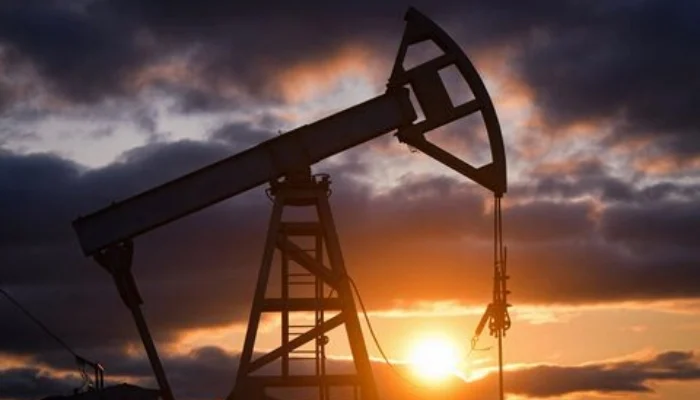
Brent crude rose by $3.20, or 3.39%, to $96.24 a barrel in early trading, while US West Texas Intermediate (WTI) gained $2.87, or 3.17%, to $93.41 a barrel. The gains reversed losses from the previous session, when prices had dropped on expectations of easing tensions in the US–Iran conflict.
The latest increase was triggered after Israel resumed strikes in Lebanon, raising fears that the conflict could widen again. Additional pressure came from reports of explosions in Iranian cities including Tehran, Tabriz, and Isfahan, which further weakened hopes of a near-term de-escalation and a reopening of key oil shipping routes such as the Strait of Hormuz.
Market volatility has remained high as investors track shifting developments in the region. Earlier, oil prices had already risen significantly since March due to ongoing conflict-related disruptions.
Read More: Oil Gains as US-Iran Talks Stall and Oman Terminal Suspends Loadings
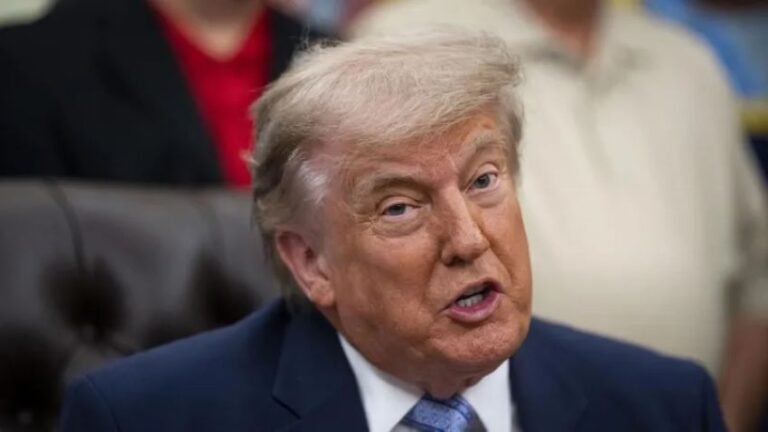
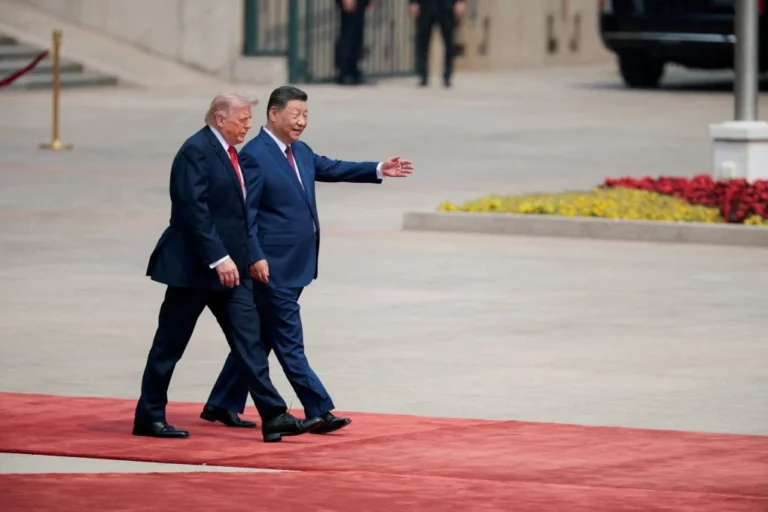
Despite the escalation, US President Donald Trump said he still believed a peace agreement with Iran remained achievable. He also reportedly urged Israeli Prime Minister Benjamin Netanyahu to avoid further military action, insisting that ongoing strikes would not derail negotiations.
Iran, meanwhile, continues to link any potential agreement with Washington to a ceasefire involving Lebanon. Israel’s military campaign in Lebanon, which began after attacks by Hezbollah, remains a key factor in the broader regional tensions, despite previous ceasefire announcements.
Although a temporary truce had been reached earlier, fighting has continued intermittently, contributing to instability in the region’s energy markets.
The wider conflict has also disrupted global oil flows, particularly through the Strait of Hormuz, a critical route for global crude shipments. Analysts note that supply constraints, combined with geopolitical risks, continue to support higher oil prices.
Read More: Oil Prices Fall as Israel–Lebanon Ceasefire Raises De-escalation Hopes
OPEC+ recently agreed to increase production for the fourth time in four months, but analysts say the impact on global supply is limited due to ongoing disruptions affecting several major producers.