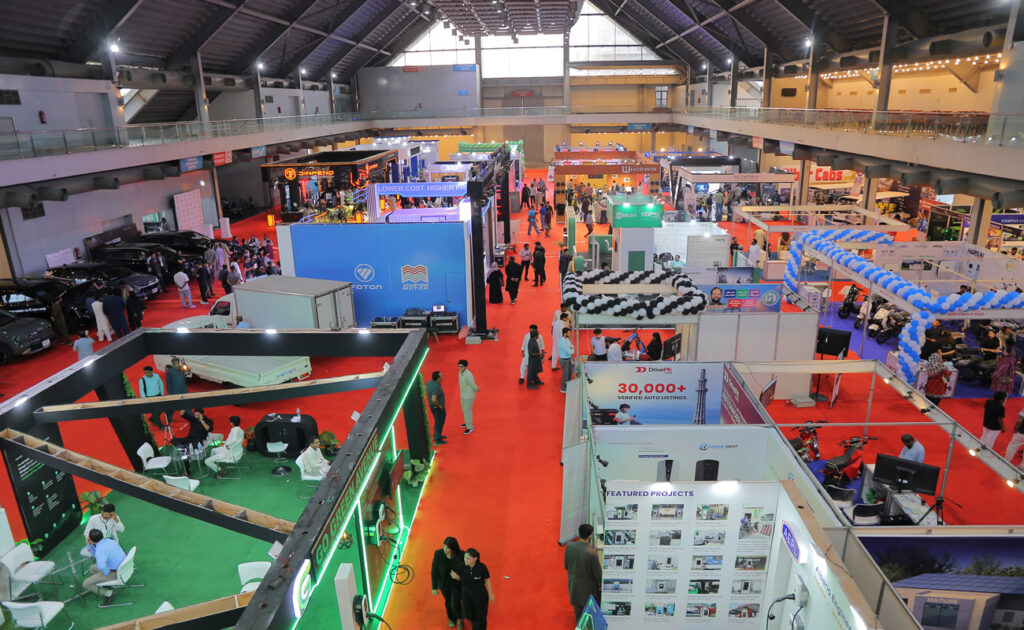
Pakistan’s electric mobility transition is often discussed through the image of an electric car that is sleek, modern and powered by a battery instead of petrol. But the transformation is far larger than the vehicle itself.
From September 3 to 5, 2026, the Pakistan Electric Vehicle Expo will bring this transformation to Expo Centre Karachi, offering a view of the technologies, infrastructure and systems that make electric mobility possible.
The Karachi edition is therefore not simply a showcase of cars rather it will present the process behind them. From the batteries that store their energy and charging infrastructure that keeps them moving to energy-storage systems, electric motorcycles and emerging mobility technologies, all will be showcased for the visitors under one roof.
The official exhibition profile further expands this picture through areas such as fleet electrification, micromobility, electric buses and trucks, autonomous connected vehicles, and hybrid and plug-in hybrid vehicles.
For Karachi, a major commercial and transportation center, this conversation is particularly relevant as the future of urban mobility increasingly depends on how effectively cities can adopt new transportation and energy systems.
Read More: Pakistan Electric Vehicle Expo Is Coming to Karachi in September
One of the most important aspects of the Expo is its attention to the infrastructure behind electric vehicles. An electric car cannot transform transportation simply by replacing an engine with a battery. It requires a network of charging facilities, reliable energy systems, battery technologies and supporting services.
By bringing these elements together, the Expo allows visitors to understand the chain that connects electricity to mobility. Charging infrastructure, for instance, is essential to making EV ownership practical beyond the showroom, while advances in battery technology influence range, charging time, performance and affordability.
The exhibition will cover a wide range of charging solutions, including EV chargers, smart and fast charging, home EV charging, solar-powered charging stations, charging equipment and services, as well as charging-station design and construction.
Energy storage adds another dimension by connecting electric mobility with the wider energy system. Showcasing these technologies together helps shift the conversation from “Which electric car should Pakistan buy?” to the more important question of “What infrastructure and systems does Pakistan need to make electric mobility work?”
Read More: E-Bikes Are Changing How Women Move in Pakistan
The diversity of the Karachi Expo further demonstrates why the electric mobility transition cannot be reduced to cars. The event will also feature the Pakistan E-Bike Expo, bringing e-motorcycle brands, dealers, service providers, retailers and riders into the wider mobility conversation.
This is particularly significant in Pakistan, where two-wheelers play an important role in everyday transportation. Electric motorcycles can offer another pathway towards electrification, particularly for urban journeys where affordability, operating costs and accessibility matter.
The Expo’s focus on batteries, charging solutions, energy storage and other mobility technologies creates a picture of an ecosystem in which different forms of transportation and supporting industries are interconnected rather than developing in isolation.
Beyond motorcycles, the exhibition also includes electric bikes, micromobility solutions, electric buses and trucks, demonstrating how electrification can extend across different forms of transportation rather than remaining limited to private passenger vehicles.
Read More: Pakistan EV Expo 2026: Where Electric Mobility Future Accelerates
The Karachi edition also looks towards the technological systems that could redefine mobility in the future. The official Expo program highlights smart mobility solutions, emerging mobility trends and autonomous driving, alongside technologies that extend beyond conventional road transportation.
This makes the event relevant not only to motorists but also to technology companies, investors, policymakers and anyone interested in how cities may move in the coming decades. Smart mobility increasingly involves the interaction of vehicles, infrastructure, digital technologies and data, while autonomous systems could eventually change how transportation is operated.
The Expo’s vision becomes even more apparent when the focus moves beyond the road. The exhibition will cover emerging areas including electric vertical take-off and landing aircraft, electric boats, hydrogen and alternative fuels. These technologies may be at different stages of development, but their inclusion reflects the breadth of the global mobility transition.
Read More: Affordable EV Options in Pakistan
Electrification is no longer confined to the traditional automobile industry but it is being explored across different modes of transportation and linked with alternative energy systems. Bringing these developments into one exhibition allows visitors to see the transition as a larger technological renaissance rather than a single change in the type of car on the road.
Ultimately, the Pakistan Electric Vehicle Expo in Karachi offers a portrayal of what happens behind the car. The vehicle is only the visible end product of a much larger process involving batteries, electricity, charging networks, energy storage, manufacturing, digital technology, infrastructure and new approaches to transportation.
By bringing manufacturers, suppliers, industry experts, policymakers, investors and end-users together from September 3 to 5, the Expo creates a space where these different parts of the ecosystem can be viewed collectively.
Its significance therefore lies not only in the vehicles visitors may see, but in the larger story they represent: Pakistan’s attempt to build the technological and infrastructural foundations for a new era of mobility. In Karachi, the EV revolution will not simply be on display. It will be presented as an entire process taking shape.

Established in December 2008, The Diplomatic Insight is Pakistan’s premier diplomacy and foreign affairs magazine, available in both digital and print formats.