Iran has presented the United States with a roadmap proposing a 60-day region-wide ceasefire and the phased reopening of the Strait of Hormuz, as diplomatic efforts intensify on the sidelines of the United Nations General Assembly to find a broader settlement to the conflict.
The proposal was presented during mediated discussions between Iranian and American officials in New York, according to regional reporting citing sources familiar with the negotiations.
The roadmap reportedly includes a halt to attacks on Arab states, arrangements for gradually restoring navigation through the Strait of Hormuz and a timeline for negotiations aimed at reaching a more comprehensive agreement.
The proposal represents a more detailed diplomatic framework than Iran’s earlier public indication that it could reopen Hormuz within seven days if Washington eased military pressure and lifted restrictions affecting Iranian shipping.
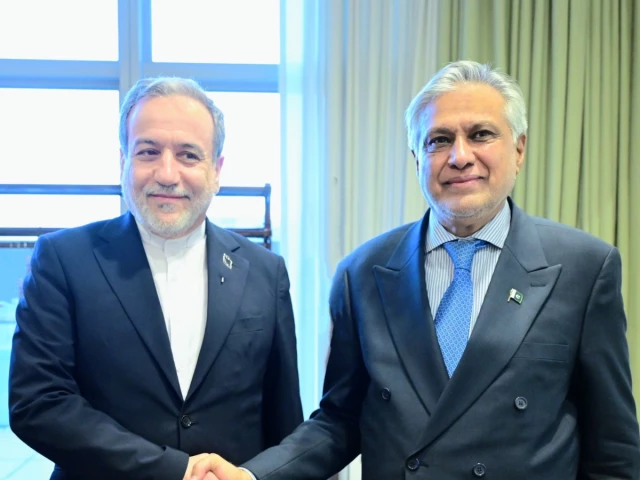
The discussions have involved regional mediators, with Qatar, Pakistan and Egypt playing roles in facilitating contacts between Washington and Tehran.
US and Iranian officials have remained divided over several issues, and no final agreement has been announced. The latest proposal should therefore be viewed as part of an ongoing negotiating process rather than an agreed ceasefire framework.
The Strait of Hormuz has become one of the central issues in negotiations because of its importance to both regional security and global energy markets.
Tehran has linked the restoration of normal maritime traffic to wider US concessions, while Washington and its regional partners have pushed for freedom of navigation through the waterway.
The latest roadmap suggests Iran is seeking to place the maritime issue within a broader package that would address military de-escalation, attacks on neighboring states and negotiations over the future of US-Iran relations.
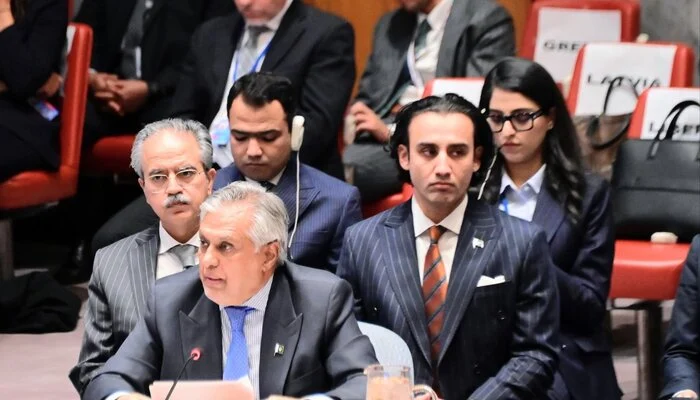
The proposal also comes amid intensive diplomacy in New York. US and Iranian representatives held hours of mediated discussions earlier this week, while Iranian Foreign Minister Abbas Araghchi has met European and regional officials on the sidelines of UNGA.
Qatar has separately confirmed that it is working with Pakistan on efforts to reduce tensions, protect freedom of navigation through Hormuz and create conditions for dialogue.
If negotiations advance, the 60-day period could provide both sides with a temporary window to address the immediate military confrontation while negotiating more difficult political and security issues.
However, substantial differences remain, particularly over the conditions Tehran has attached to reopening Hormuz and the security guarantees sought by Washington and Gulf states.
The significance of the Iranian proposal lies in its attempt to connect several regional crises within one diplomatic framework.
Rather than treating Hormuz, attacks on Gulf states and the US-Iran conflict as separate issues, Tehran appears to be proposing a phased process in which regional de-escalation and maritime security would form part of a wider political settlement.
Whether Washington is prepared to negotiate on those terms remains unclear, but the emergence of a more detailed roadmap indicates that diplomatic efforts in New York are moving beyond preliminary contacts towards discussion of the possible structure of an agreement.

Anoush Taimur is an International Relations graduate from DHA Suffa University, Karachi, currently based in Doha. Her research interests include Gulf politics, small-state diplomacy, Global South studies and conflict
mediation. Her work examines how states create influence through connectivity, institutions and strategic relationships. She can be reached at [email protected]