Washington (TDI): US intelligence agencies are assessing that Iran’s emerging leadership dynamics are playing a significant role in shaping the country’s wartime strategy and diplomatic posture amid the ongoing conflict with the United States and Israel, according to a CNN report.
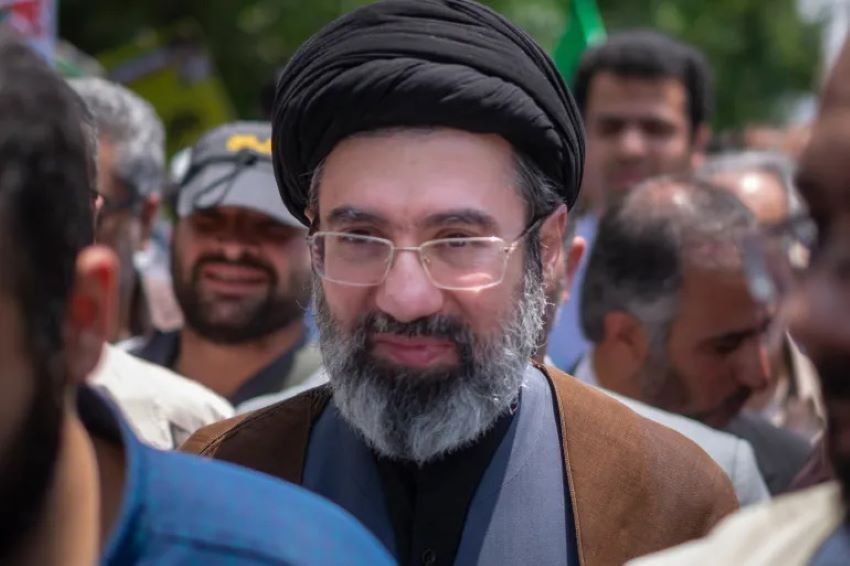
The report said that Iran’s new Supreme Leader Mojtaba Khamenei has been involved in key strategic decisions, including military direction and negotiations with Washington, despite remaining largely out of public view following reported injuries sustained during recent strikes.
Citing US officials familiar with intelligence assessments, the report said Khamenei is believed to have continued operating through trusted intermediaries, including couriers and direct in-person communications, while recovering from injuries such as burns and shrapnel wounds.
Iranian officials have rejected speculation about his condition, stating that he is recovering and remains active in leadership affairs.
Read More: US, Iran Far From Agreement as Clashes Intensify
The intelligence assessment also suggests that while Iranian military capabilities have been degraded by recent US strikes, they have not been fully neutralized. A significant number of missile systems and launch platforms are still believed to be operational, allowing Tehran to continue limited retaliatory capability.
According to the report, much of Iran’s day-to-day governance and wartime coordination is now being managed by senior figures within the Islamic Revolutionary Guard Corps and other high-ranking officials, including Parliament Speaker Mohammad Bagher Ghalibaf.
Read More: Region May See New Political Blocs After US-Iran Conflict: Iranian Envoy
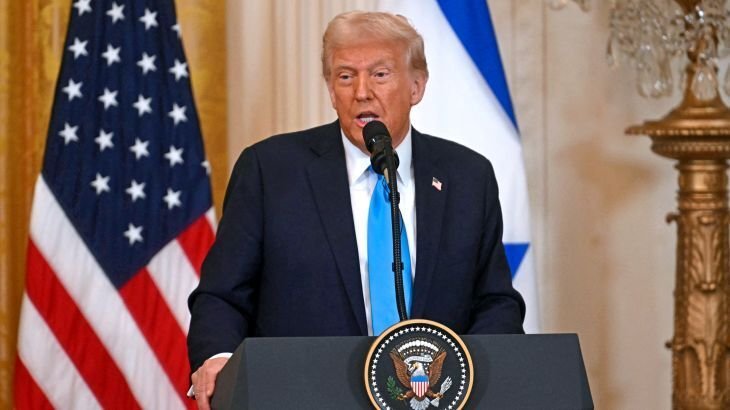
US analysts further noted that despite battlefield pressure and infrastructure damage, Iran retains enough command structure continuity to sustain both military operations and ongoing indirect diplomatic engagement with the administration of US President Donald Trump.
The report comes amid broader uncertainty over the trajectory of the conflict, as Washington continues to pursue a proposal aimed at de-escalation while Tehran weighs its response and regional tensions remain high.