Tehran (TDI): The United States and Iran remain far from a political settlement as military tensions continue to flare across the Gulf, particularly around the Strait of Hormuz, despite a fragile and repeatedly tested ceasefire.
Clashes between Iranian forces and US naval assets have intensified in recent days, marking some of the most serious escalations since the truce was declared about a month ago. At the same time, renewed attacks have also been reported in the United Arab Emirates, which Tehran has denied responsibility for.
Washington is currently awaiting Tehran’s response to a US proposal aimed at formally ending the conflict, while postponing more difficult issues such as Iran’s nuclear program. US Secretary of State Marco Rubio said in Rome that a response was expected soon, although Iranian officials said the proposal was still under review.
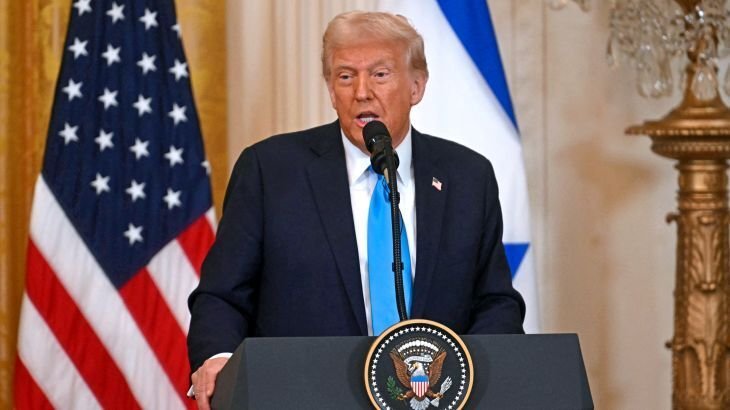
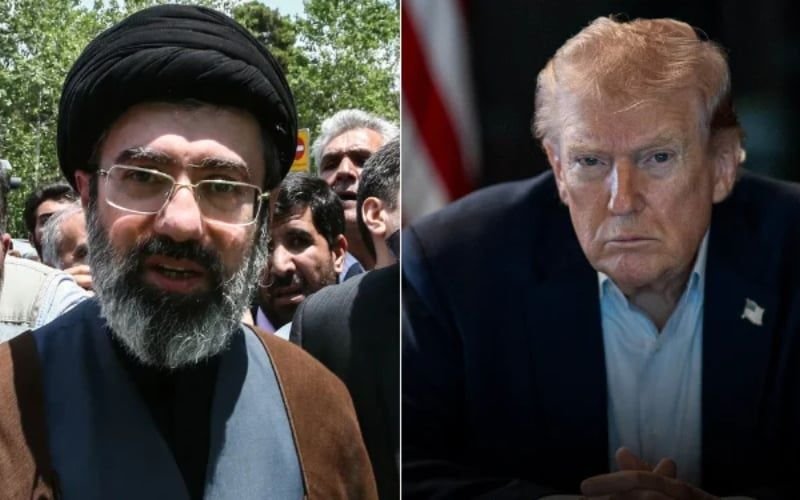
US President Donald Trump warned that Washington could escalate its military posture in the Strait of Hormuz if no agreement is reached, including the possible revival and expansion of a previously paused operation referred to as “Project Freedom.”
Trump also said Pakistan is playing a mediating role between Washington and Tehran and had requested that the US avoid resuming that operation during ongoing negotiations.
Read More: Region May See New Political Blocs After US-Iran Conflict: Iranian Envoy
The broader conflict escalated after joint US-Israeli strikes against Iran earlier this year, which triggered retaliatory actions across the region and contributed to heightened instability in Gulf shipping routes.
According to a US intelligence assessment, Iran may be able to withstand a naval blockade for several months, suggesting that US pressure may have limited short-term impact. However, other officials have disputed this, arguing that economic damage from restricted maritime access is already significant.
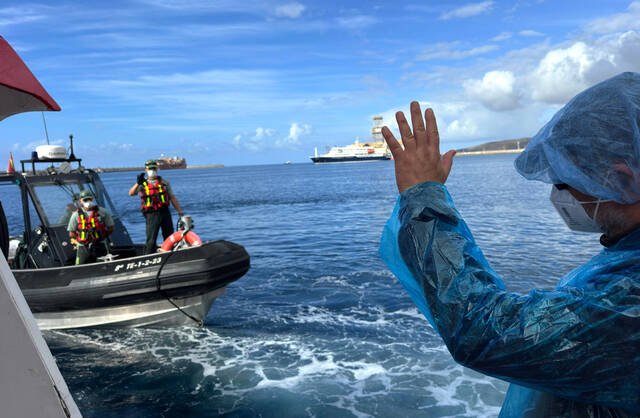
Tensions have been particularly high around the Strait of Hormuz, a critical global energy corridor that handles a significant share of global oil shipments. Iranian and US forces have both reported exchanges of fire in the area, with each side accusing the other of provocation.
Iranian media reported that the situation in the strait had temporarily stabilized after recent incidents, though officials warned that further clashes remain possible.
The United Arab Emirates confirmed that its air defense systems intercepted multiple drones and missiles, with some damage and injuries reported. Gulf states hosting US forces have repeatedly been drawn into the wider confrontation.
Read More: Fresh Drone, Missile Attack Hits UAE Amid Renewed US-Iran Tensions
Oil markets reacted to the uncertainty, with prices rising amid fears of supply disruption, although weekly gains remained limited due to ongoing volatility.
Despite continued diplomatic efforts, including US-led proposals and indirect mediation channels, both sides remain locked in a cycle of escalation and retaliation, with no clear breakthrough in sight.