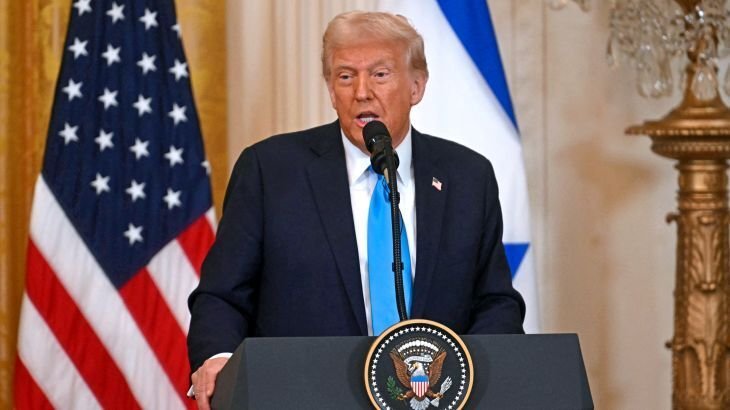
Washington (TDI): The diplomatic standoff between Washington and Tehran has intensified after US President Donald Trump rejected Iran’s latest response to a US-proposed framework aimed at ending the ongoing conflict in the Gulf region.
Trump, posting on Truth Social, described the Iranian reply as “TOTALLY UNACCEPTABLE,” without disclosing its contents. The exchange comes amid continuing backchannel diplomacy in which Pakistan is reportedly acting as a key intermediary.
Iranian state media said its response focused on ending hostilities across multiple fronts, including Lebanon and the Strait of Hormuz, while leaving broader issues such as sanctions relief and nuclear negotiations for later stages.
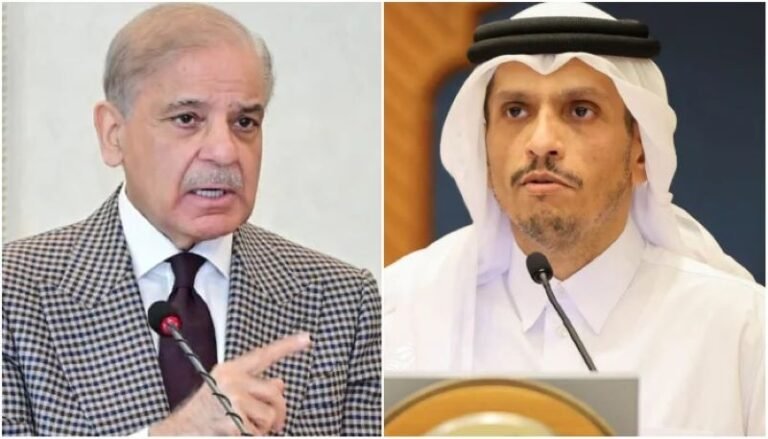
Officials in Islamabad confirmed that Pakistan has been relaying messages between Washington and Tehran. Prime Minister Shehbaz Sharif said during a public event that he had been informed by senior military leadership that Iran’s response had been received and transmitted onward through diplomatic channels.
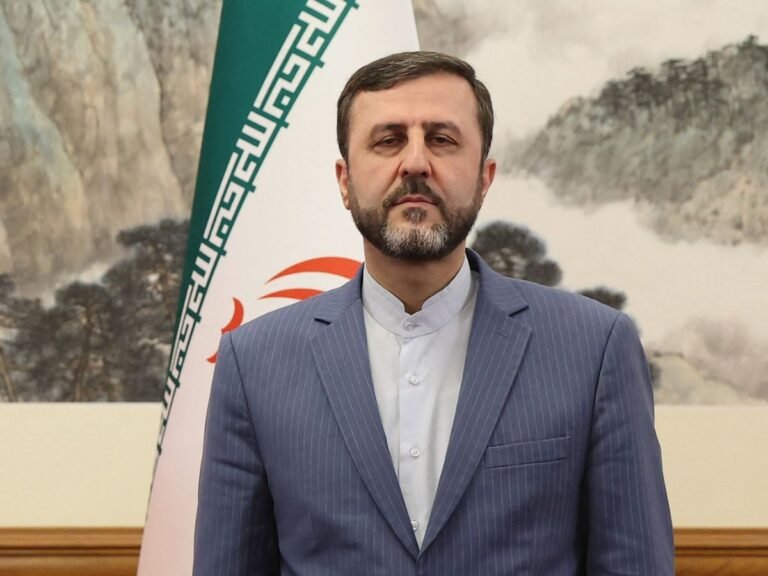
Iran, meanwhile, has maintained that any agreement must be backed by international guarantees, with its envoy in Beijing suggesting that major powers such as China and Russia, along with the United Nations Security Council, should be involved in validating any deal.
Read More: US and Iran Exchange Fire Despite Ceasefire, Trump Says Situation Under Control
Iranian President Masoud Pezeshkian said publicly that negotiation should not be interpreted as surrender, stressing that Tehran would defend its national interests firmly.
At the military level, Iranian commanders have reinforced a hardline stance. A senior Iranian military official reportedly briefed Supreme Leader Mojtaba Khamenei on the readiness of Iran’s armed forces, warning that any aggression from the United States or Israel would be met with a strong response.
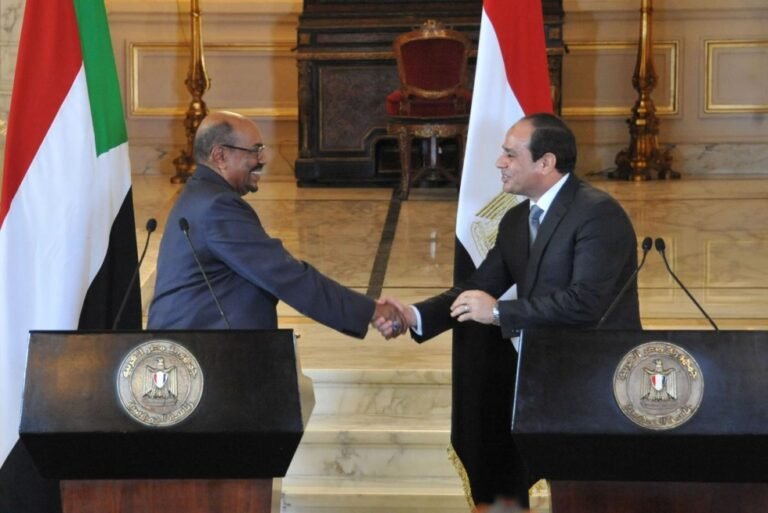
Despite continued tensions, diplomatic activity has intensified. Pakistan, along with regional partners including Qatar, Egypt, Saudi Arabia and Turkiye, has been involved in ongoing mediation efforts aimed at preventing further escalation.
Read More: Trump Claims Iran Wants Deal as Tehran Reviews US Proposal
Qatar has also played a complementary role, engaging both Washington and Tehran, while regional energy shipments and maritime movements in the Strait of Hormuz continue under tight security amid the fragile ceasefire environment.
Although both sides remain engaged in indirect communication, the latest exchange highlights deep mistrust and significant gaps in expectations, with no immediate breakthrough in sight.