Washington (TDI): President Donald Trump has said that Iran appears willing to reach a deal with the United States as Tehran reviews a US peace proposal aimed at ending the ongoing conflict.
Iranian officials said the proposal is under review, with an Iranian Foreign Ministry spokesperson cited by state-linked media confirming that Tehran will formally communicate its response after internal assessment. The discussions are part of wider indirect negotiations between the two countries, which remain at odds over several major issues.
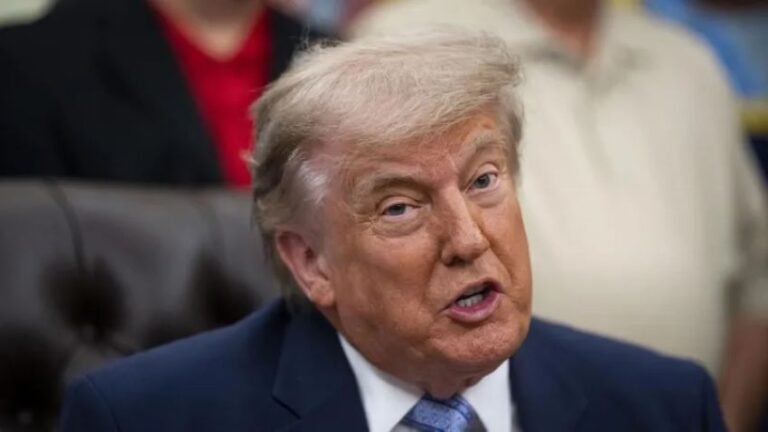
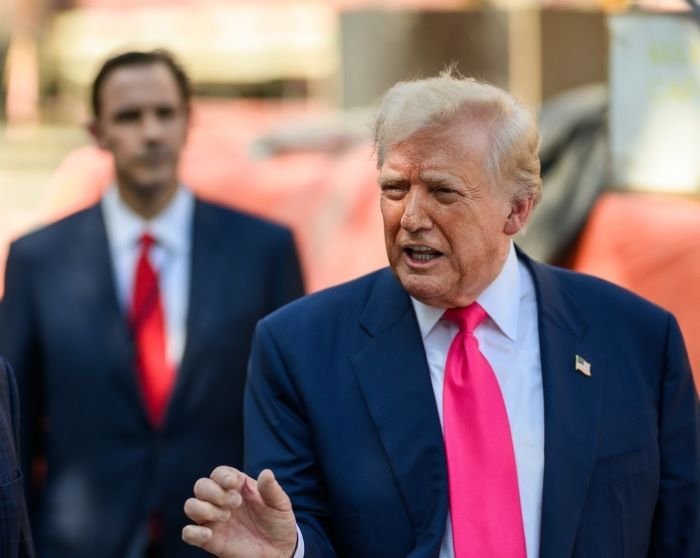
Speaking from the White House, Trump told reporters that recent contacts between the two sides had been “very good” and suggested that an agreement could be possible, though he also noted that expectations should be cautious given the complexity of the talks.
Earlier, Trump had taken a more confrontational tone, warning in a social media post that US military action could resume if diplomacy fails. Despite the mixed messaging, he has repeatedly indicated that a negotiated settlement remains his preferred outcome.
Read More: China Reaffirms Support for Iran Ahead of Trump’s Visit
The proposed framework under discussion reportedly includes steps toward ending the conflict, reopening maritime routes through the Strait of Hormuz, easing US sanctions on Iran, and initiating discussions on Iran’s nuclear program.
However, major differences remain unresolved. Iranian officials have described elements of the US proposal as unrealistic, while lawmakers in Tehran have publicly criticized the plan as one-sided and not aligned with Iranian positions.
The diplomatic effort is being supported by regional intermediaries, and a preliminary memorandum could reportedly lead to more detailed negotiations within a 30-day timeframe if initial agreement is reached. That process would aim to address sanctions relief, shipping access, and nuclear restrictions in greater detail.
Read More: Trump Reversed Hormuz Mission After Saudi Pressure: Report
At the same time, tensions in the region remain high, with ongoing military activity in and around Gulf shipping lanes and continued uncertainty over maritime security. Oil markets have reacted sharply to shifting expectations, reflecting investor sensitivity to any sign of escalation or de-escalation.