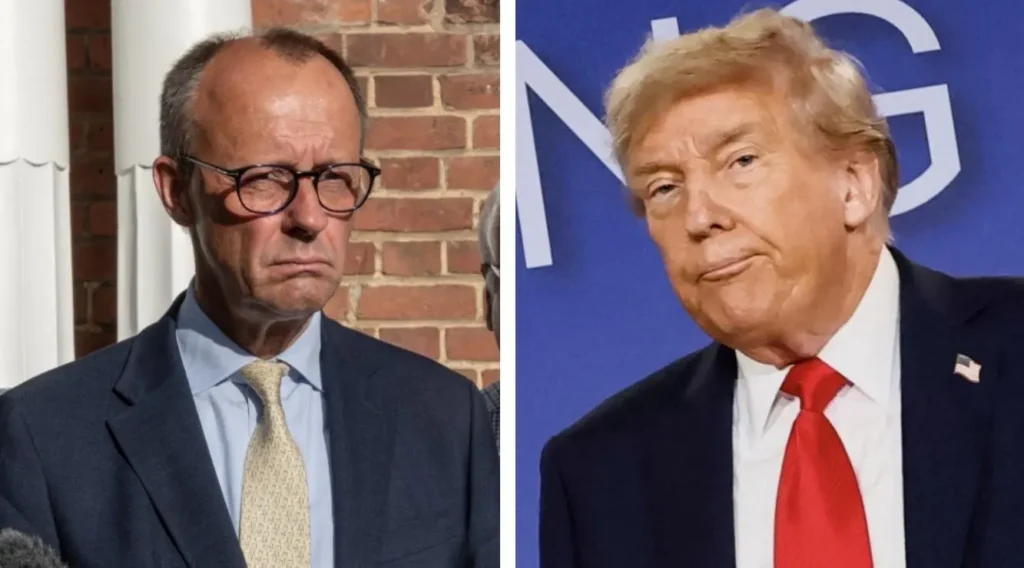
A sharp exchange between Donald Trump and Friedrich Merz has made another episode of Trump rebuking a European leader, but this time Merz’s own remarks did not fall short of an admonishing.
The standoff between Iran and the United States has rattled global markets and diplomacy, and everyone is feeling the impact.
The dispute erupted after Merz criticized Washington’s handling of the crisis, suggesting the United States had been “humiliated” by Tehran.
“The problem with conflicts like this is always you don’t just have to get in – you have to get out again. We saw that very painfully in Afghanistan for 20 years. We saw it in Iraq,” Merz also said.
Trump fired back publicly, dismissing the remarks and insisting Iran is “failing” under US pressure. The unusually direct rebuke highlights mounting European frustration with the direction of US policy in the Middle East region.
Read More: The Iran War Has Broken Nuclear Deterrence Theory
“The Chancellor of Germany, Friedrich Merz, thinks it’s OK for Iran to have a Nuclear Weapon. He doesn’t know what he’s talking about! If Iran had a Nuclear Weapon, the whole World would be held hostage,” Trump wrote in a social media post.
“I am doing something with Iran, right now, that other Nations, or Presidents, should have done long ago. No wonder Germany is doing so poorly, both Economically, and otherwise!”
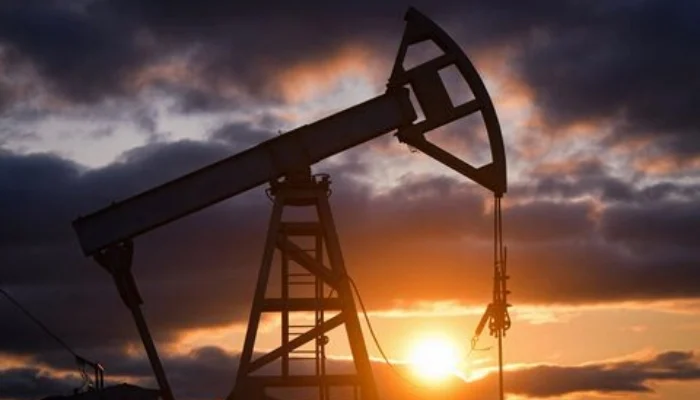
As talks remain stalled, oil markets have already reacted nervously. Prices surged amid concerns that shipping through the strait could be curtailed, threatening a route that carries a significant share of the world’s seaborne crude.
Tehran has recently floated a proposal to ease tensions, including reopening Hormuz fully in exchange for the US to life blockade of Iranian ports; which is in place since April 13.
However, the offer sidelines Washington’s key demand; limits on Iran’s nuclear program. US officials have indicated that any agreement failing to address nuclear concerns would be unacceptable, leaving diplomacy at an impasse.