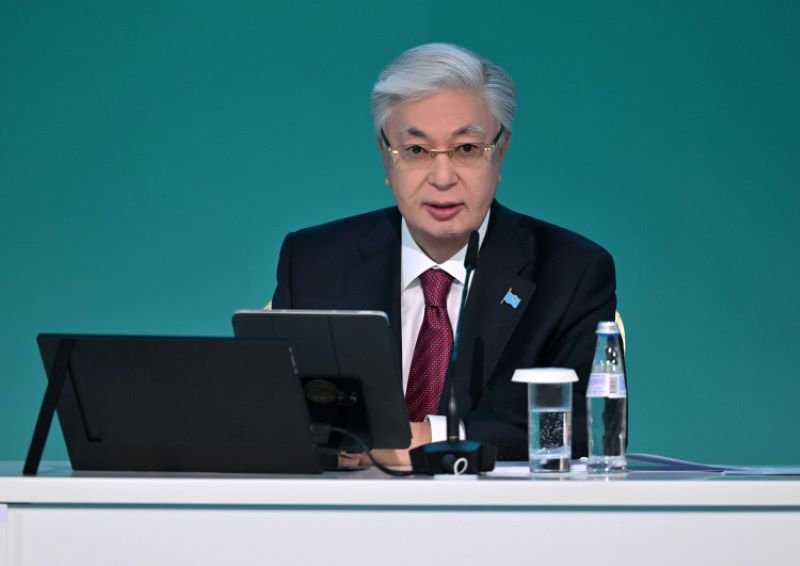
Astana (TDI): Kazakhstan’s President Kassym-Jomart Tokayev recently addressed the Dialogue Platform of Rural Governors (Akims), emphasizing the strategic importance of rural development and the central role of akims in shaping the well-being of local communities.
Highlighting that 80 percent of rural akims were present, Tokayev noted the unprecedented scale of the gathering and underlined the foundational role of villages in Kazakhstan’s national prosperity. “Strong villages are the backbone of the country,” he said, stressing that akims serve as public servants who must be competent, socially attuned, and capable of implementing national reforms at the local level.
Since 2019, Kazakhstan has undertaken sweeping political reforms, Tokayev said, including the adoption of nearly 20 laws modernizing the political system, constitutional amendments through a nationwide referendum, and the establishment of new institutions such as a Constitutional Court and cassation courts. These reforms have expanded parliamentary powers, strengthened executive accountability, and increased citizen participation.
Read More: Nuclear Power Corrects Kazakhstan’s ‘Historical Absurdity’: Tokayev
One landmark initiative has been the introduction of direct elections for rural akims. Over five years, 2,334 akims were elected nationwide, with one-third of them new to civil service. Tokayev highlighted that this process enhanced local governance and increased public trust, with 84 percent of rural residents expressing confidence in their akims.

The president also addressed debates regarding elections for district-level akims. While some have suggested limiting such elections to reduce political fatigue, Tokayev stressed that any decision must be based on achieving tangible results and improving governance, rather than procedural considerations alone.
A key theme of the address was the professionalization and empowerment of rural akims. Tokayev called for expanded training programs, including the School of Akims initiative and adapted university programs, to ensure that local leaders are capable of managing modern administrative challenges.

He also emphasized the need to clearly define akims’ powers, eliminate redundant responsibilities, improve access to state databases, and enhance accountability through regular reporting to constituents.
Read More: Tokayev Sets 2026 as Key Year for Kazakhstan’s Modernization
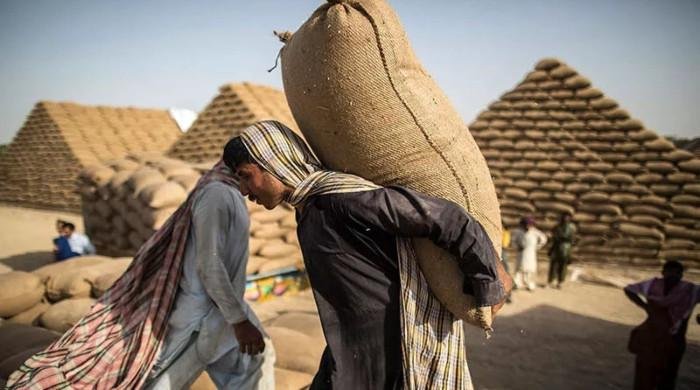
Financial independence and support for rural economies were also highlighted. Tokayev noted that rural budgets have grown fourfold since 2018 but stressed that further decentralization of resources is needed. He called for strengthening agricultural cooperatives, supporting small businesses, and developing infrastructure such as irrigation systems, livestock facilities, and logistics centers.

Digitalization of rural administration was another priority, with the president stressing the importance of integrating villages into Kazakhstan’s national digital agenda. “Achieving a fully digital country within the next three years is a matter of national survival,” he said.
Concluding his address, Tokayev reaffirmed the government’s commitment to rural communities, calling them the “golden cradle of our civilization” and urging akims to lead efforts to improve the quality of life of residents. He expressed confidence that systematic and high-quality approaches would achieve the country’s rural development goals.
“Peace and prosperity to our Motherland. I wish you all well-being and success,” Tokayev said.