Geneva (TDI): Pakistan is seeking China’s help to develop domestic vaccine and pharmaceutical manufacturing, as officials warn the country faces a sharp rise in healthcare costs when international donor support runs out by 2030.
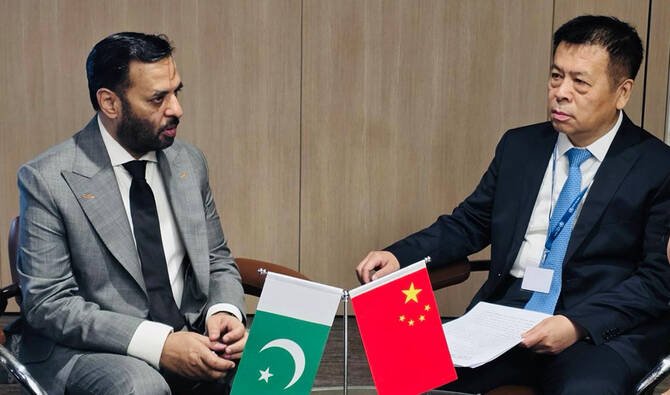
Health Minister Syed Mustafa Kamal held talks with China’s health minister Lei Haichao on the sidelines of the World Health Assembly in Geneva, on Tuesday.
Pakistan currently imports virtually all of its finished vaccines and between 80 and 90 percent of the raw materials used by its pharmaceutical industry. This dependency leaves Pakistan exposed to supply disruptions and rising global prices.
The country funds around 49 percent of its vaccine program, with international donors covering the rest. As that aid is expected to wind down by 2030, annual vaccine costs could surge from roughly $400 million today to as much as $1.2 billion.
جنیوا میں جاری ورلڈ ہیلتھ اسمبلی کے موقع پر وفاقی وزیرِ قومی صحت سید مصطفیٰ کمال کی چین کے وزیرِ صحت کے ساتھ اہم ملاقات#MustafaKamal #HealthMinister #WorldHealthAssembly #PakistanChinaRelations #HealthDiplomacy #GlobalHealth #Pakistan@WHO @UNISEF @Gavi @GatesFoundation… pic.twitter.com/wGNiCcb7rA
— Syed Mustafa Kamal (@KamalMQM) May 18, 2026
Kamal has set a target of vaccine self-sufficiency by 2030. As part of that push, Pakistan’s Drug Regulatory Authority is working toward WHO Level 3 maturity status by early 2027, a certification that would allow Pakistani pharmaceutical exports to enter around 100 additional markets.
The Chinese health minister said China is “deeply interested” in expanding health sector cooperation with Pakistan. Both sides agreed to formalize arrangements ahead of Kamal’s planned visit to China in October this year.
The Geneva meeting is part of a broader Pakistani effort to reduce pharmaceutical dependence. The federal cabinet approved the country’s first National Vaccine Policy earlier this year, and Islamabad has also explored vaccine cooperation with Saudi Arabia.
Tuesday’s talks with Beijing, however, represent the most concrete step yet toward building the industrial capacity Pakistan will need if it is to meet the 2030 deadline on its own terms.