New York (TDI): Pakistan has told the UN Security Council that it will respond in self-defense to terrorist threats emanating from Afghanistan whenever necessary and in accordance with international law.
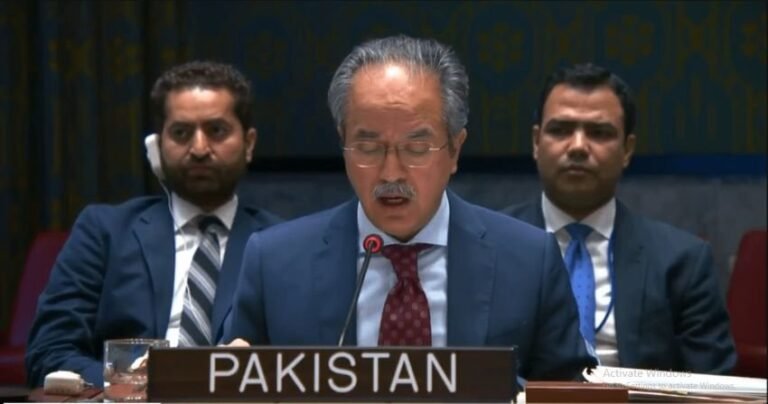
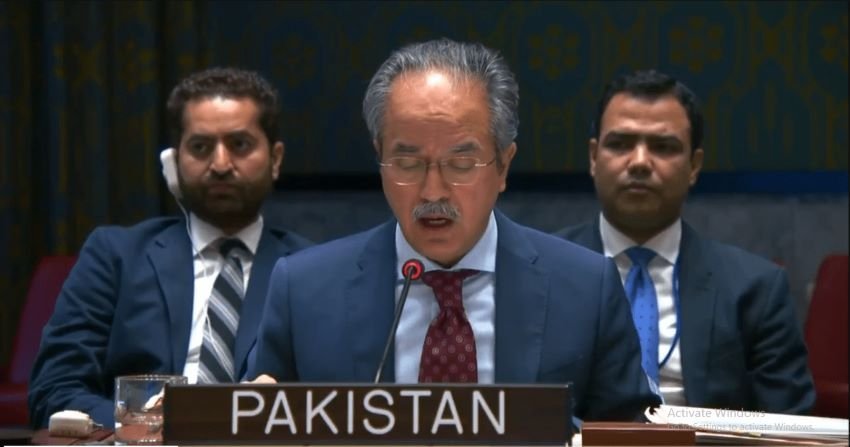
Pakistan’s Permanent Representative to the United Nations, Asim Iftikhar Ahmad, issued the warning while addressing a Security Council meeting on the situation in Afghanistan, five years after the Taliban returned to power in Kabul.
“Pakistan cannot sit idle in the face of this terrorist onslaught,” Ahmad told the council. “We will respond in self-defense, as and when needed and in accordance with international law. We will defend ourselves against whosoever attempts to harm our citizens and our national security.”
The Pakistani envoy said more than 4,700 Pakistanis had been killed by terrorism emanating from Afghanistan over the past three years, accusing Kabul of failing to take concrete and verifiable action against militant groups operating from Afghan territory.
Ahmad said Afghanistan had again become a safe haven for several terrorist organizations, including Tehreek-i-Taliban Pakistan (TTP), the Baloch Liberation Army (BLA) and its Majeed Brigade, Islamic State-Khorasan and the East Turkestan Islamic Movement, along with affiliated groups.
He also said that external actors were supporting proxies inside Afghanistan and using them to target Pakistan and other neighbouring countries.
Read More: Beyond Border Strikes: Why Militancy Continues to Thrive in Afghanistan
The warning comes amid continued international concern over the presence of terrorist groups in Afghanistan. During the Security Council briefing, the UN said terrorist groups continued to operate in the country, while restrictions on women and girls, exclusionary governance and humanitarian and economic pressures remained major challenges.
According to the UN assessment cited in the briefing, armed groups opposed to the Taliban remained active and claimed responsibility for 88 attacks across 21 Afghan provinces between May 1 and the end of July.
The UN also said the Taliban’s restrictions on women and girls and the exclusionary nature of its political system remained serious concerns and obstacles to Afghanistan’s reintegration into the international system.
Ahmad said Pakistan had continued to support Afghanistan’s stabilization through diplomatic engagement, humanitarian assistance and regional cooperation despite reservations over certain Taliban policies.
He said Pakistan had honoured its international commitments by allowing humanitarian assistance to reach Afghanistan without obstruction. According to the UN secretary-general’s report, at least 687 humanitarian cargo trucks entered Afghanistan from Pakistan during the reporting period.
However, Ahmad said expectations that Afghanistan would move towards greater stability and address the concerns of the international community had not materialized.
He cited the UN assessment that the appearance of relative stability in Afghanistan “masks the accumulating risks” that could affect the country’s stability in both the short and long term.
The Pakistani envoy described terrorism as being at the “core of Afghanistan’s problems” and mentioned a nexus between the Taliban and terrorist groups.
He said the failure to take effective action against militant groups had compounded Afghanistan’s security challenges. Ahmad also warned about weapons left behind following the withdrawal of international forces and the risks posed by illicit arms trafficking.
Read More: Beyond Deportations: Trust, Trade, and Tensions in Pakistan-Afghanistan Relations
Pakistan has repeatedly maintained that it reserves the right to act in self-defense against terrorist attacks originating from Afghan territory. In February, the Foreign Office said any further attacks would be met with an appropriate response under international law and the UN Charter.
Islamabad has simultaneously stressed that it wants a peaceful and stable Afghanistan and has continued to call for verifiable assurances from Kabul that Afghan territory will not be used for terrorism against Pakistan.
The latest statement at the Security Council places that position directly before the UN’s principal body responsible for international peace and security, as concerns over terrorism, governance and humanitarian conditions continue to shape international engagement with Afghanistan.