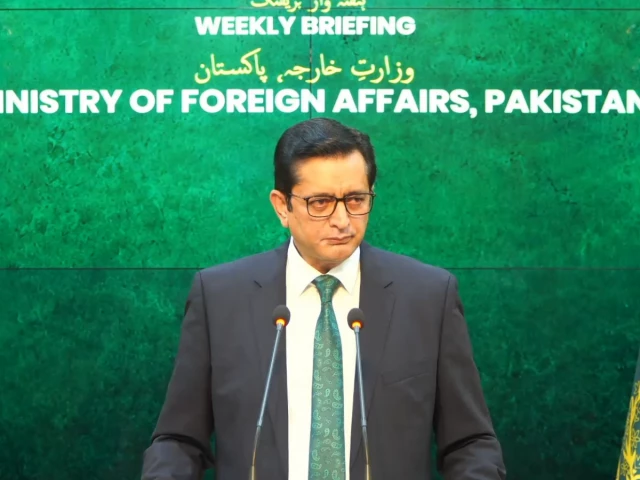
Islamabad (TDI): Pakistan remains committed to the intent and spirit of the Makkah Joint Defense Agreement with Saudi Arabia and Türkiye, but operational details of any possible response to attacks against a member state cannot be disclosed at this stage, the Foreign Office said on Thursday.
Foreign Office spokesperson Sajjad Haider Khan said “operational confidentiality” required discretion regarding when, where and how any response would be carried out, including the nature of forces that could be employed and the objectives involved.
“Pakistan is committed to the intent and spirit of implementing the Strategic Mutual Defense Agreement (SMDA) and the Makkah Accord. However, details regarding when and how, where, what force would be used, against which objectives, and through which means cannot be disclosed at this stage,” Khan said during the weekly press briefing.
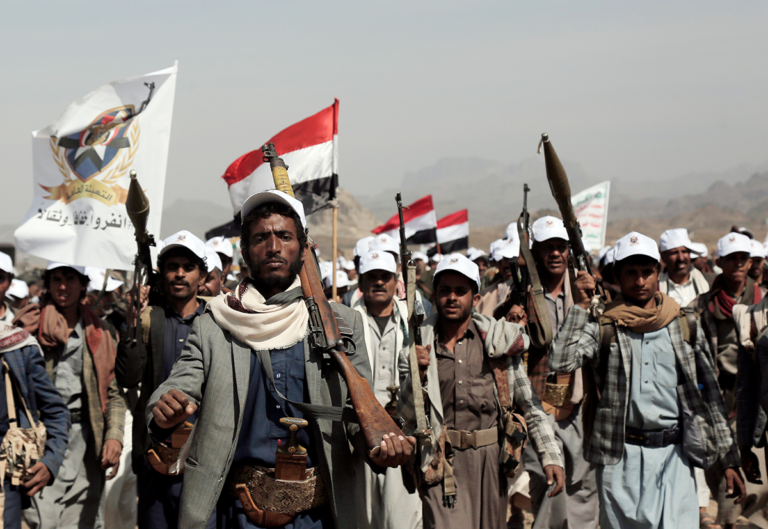
The spokesperson was responding to questions about Pakistan’s commitments amid continuing Houthi attacks against Saudi Arabia and the kingdom’s territorial integrity.
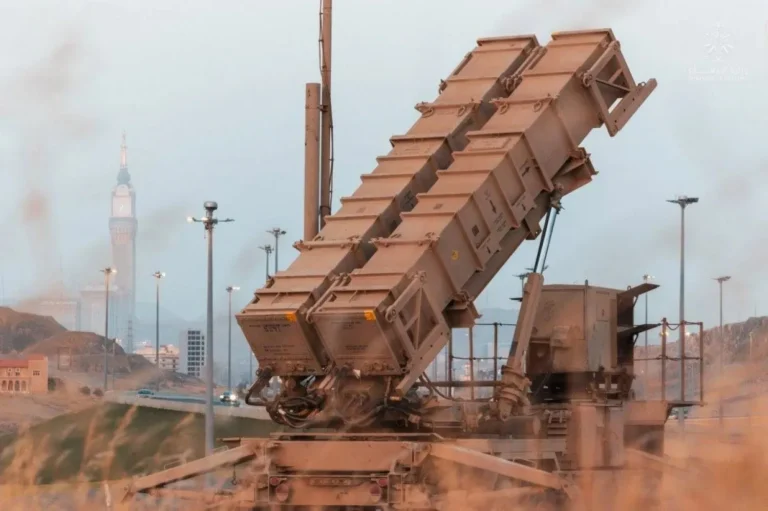
The comments came a day after Saudi air defenses intercepted a drone near Makkah. Pakistan strongly condemned the incident, while the Houthis denied responsibility for the alleged attack. Pakistan’s Foreign Office said Islamabad remained closely concerned about the continuing escalation in the region.
Khan reiterated Prime Minister Shehbaz Sharif’s condemnation of the attempted drone attack, describing it as a serious threat to the sanctity of the holy sites. He said the prime minister had praised the vigilance and professionalism of the Saudi armed forces and called on all parties to exercise maximum restraint and avoid further escalation.
“Pakistan stands shoulder to shoulder unwaveringly with the brotherly Kingdom of Saudi Arabia in defense of its sovereignty and territorial integrity, as well as the security and sanctity of Haramain Sharifain,” Khan said.
Read More: Pakistan-Saudi-Turkiye Defense Pact: Who Gains Most?
Deputy Prime Minister and Foreign Minister Ishaq Dar had also condemned the attack, saying it violated Saudi sovereignty and territorial integrity and threatened regional peace and security. Pakistan had earlier condemned drone attacks on Saudi Arabia’s East-West oil pipeline, which Islamabad said damaged the infrastructure and injured civilians.
Prime Minister Shehbaz also spoke with Saudi Crown Prince and Prime Minister Mohammed bin Salman on September 13 and reiterated Pakistan’s support for Saudi Arabia and efforts aimed at de-escalation.
Khan said Pakistan remained concerned about the wider implications of the conflict for regional security, maritime navigation and global energy supplies, and continued to advocate dialogue and diplomacy.
Pakistan, Saudi Arabia and Türkiye signed the Makkah Joint Defense Agreement on August 7. Islamabad has repeatedly described the pact as defensive in nature and said it is aimed at collective deterrence and the protection of sovereignty and territorial integrity.
The agreement provides that an armed attack against any one of the three countries would be regarded as an attack against all, consistent with the right of individual and collective self-defense under Article 51 of the UN Charter.
The three countries held the inaugural meeting of the Strategic Political and Defense Committee in Istanbul on August 31 and agreed to further institutionalize cooperation under the agreement. Pakistan’s Foreign Office has previously stressed, however, that the agreement’s operationalization remains at an early stage.
Read More: Bangladesh Eyes Joining Pakistan-Saudi-Turkiye Defense Pact
The FO spokesperson also said Pakistan had summoned the Indian High Commission’s chargé d’affaires and lodged a strong protest over what Islamabad described as a “highly provocative and unacceptable” action by an Indian naval vessel in Pakistan’s Exclusive Economic Zone on September 15.
According to Pakistan’s account, the incident occurred during the Pakistan Navy’s biennial SEASPARK-26 exercise, when the Indian vessel allegedly carried out manoeuvres in close proximity to a Pakistani naval ship, resulting in contact between the two vessels.
Pakistan described the incident as a violation of international law and the 1991 bilateral agreement concerning advance notification of military exercises, manoeuvres and troop movements. The Foreign Office said Pakistan’s chargé d’affaires in New Delhi would also lodge a demarche with India’s Ministry of External Affairs.
Khan said Pakistan had successfully hosted the 46th meeting of the Shanghai Cooperation Organization’s Regional Anti-Terrorist Structure (SCO-RATS) Council in Islamabad on September 14.
The meeting brought together representatives from SCO member states and discussed regional security and cooperation against terrorism, separatism and extremism. Pakistan’s chairmanship of the council concluded with the meeting, with Russia taking over the chairmanship. The next meeting of the executive committee is scheduled to take place in Tashkent.
The spokesperson said Prime Minister Shehbaz Sharif would lead Pakistan’s delegation to the high-level segment of the 81st United Nations General Assembly session in New York next week.
He said the prime minister would present Pakistan’s position on regional and global developments and highlight the importance of dialogue, diplomacy, restraint and peaceful resolution of disputes.
Pakistan’s priorities at the UNGA would include sustainable development, climate change, counter-terrorism, Islamophobia, global economic challenges, UN reform and issues concerning the Global South. The prime minister would also raise the situations in Kashmir and Palestine and hold bilateral meetings with world leaders and the UN secretary-general.