Islamabad (TDI): Pakistan is close to signing an agreement with Saudi Arabia that will soon allow the country to manufacture vaccines domestically. The country, which needs an annual 130-140 million vaccine doses, hopes to reduce heavy dependence on importing life-saving shots.
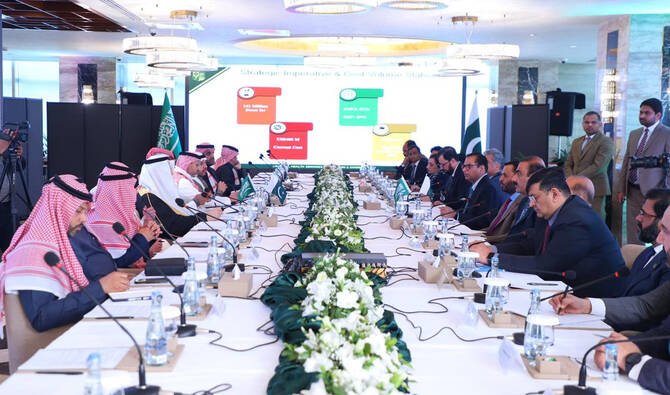
Health Minister Mustafa Kamal announced, on Thursday, that Islamabad is “very close” to finalizing a pact with a visiting 11-member Saudi delegation led by Nizar Al-Hariri, senior adviser to Saudi Arabia’s minister of industry.
Talks with the Saudi team this week focused on establishing local vaccine production facilities in Pakistan, with the goal of commencing operations within the next three years.
Currently, Pakistan, home to more than 240 million people, imports all vaccines used in its national immunization campaigns, spending roughly $400 million annually.
Nearly half of these costs are covered by international partners, support that officials warn will end by 2030. Kamal said local production is critical to reduce reliance on external donors and prepare for the fiscal challenges ahead once support ends.
Read More: Pakistan Backs Huahui Health–Local Pharma Partnership to Tackle Hepatitis Delta
Under the proposed agreement, vaccine manufacturing would follow a phased approach. Within the first year, Pakistan can begin packaging and filling vaccines, followed by further production steps in the second year.
By the third or fourth year, the country hopes to produce vaccine seeds and develop indigenous vaccines entirely on Pakistani soil.
While final details and terms are still being negotiated, Kamal highlighted the potential for broader partnerships, with Indonesia also a possible future collaborator.
As for Saudi Arabia, it has achieved World Health Organization (WHO) maturity level four (ML4) for medicines and vaccine regulation; the highest designation, whereas Pakistan currently holds an ML-2 certification.
Assistance from Riyadh will support Pakistan’s efforts to meet international pre-qualification benchmarks. Kamal noted that producing 300–400 million doses annually would help make such production financially viable, not just for domestic use but for international distribution as well.
The government has already introduced several leading local pharmaceutical firms to the Saudi delegation to explore business-to-business partnerships, signaling strong industry engagement in the proposed venture.