Islamabad (TDI): Pakistan and Egypt have agreed to deepen cooperation in curriculum reform, digital education, technical and vocational training, and student exchanges, marking a fresh push to strengthen bilateral educational ties.
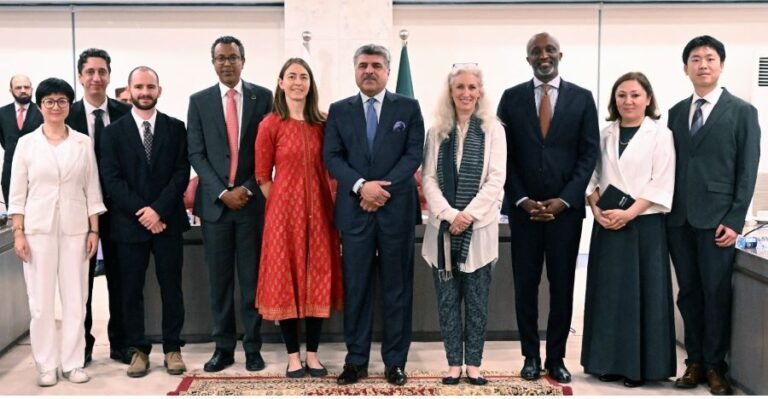
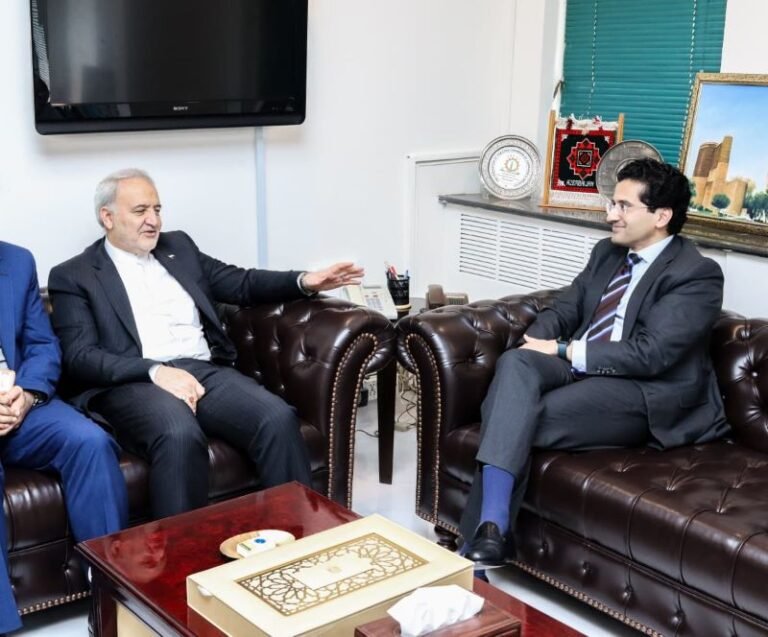
The understanding was reached during a meeting between Minister of State for Federal Education and Professional Training, Wajiha Qamar, and Egypt’s Ambassador to Pakistan, Ihab Abdel Hamid.
The two sides explored a wide-ranging agenda aimed at modernizing education systems and expanding institutional linkages between the two countries.
Central to the discussions was curriculum rationalization and reform, with particular emphasis on learning from Egypt’s evolving secondary education framework, including the Egyptian Baccalaureate model.
Officials examined how structured curriculum updates and streamlined subject pathways could improve learning outcomes and align education with contemporary workforce demands.
The Egyptian side highlighted progress under its “Great Book” initiative, a flagship digital learning program designed to modernize content delivery and classroom engagement.
Read More: Pakistan, Egypt Launch Business Council to Boost Trade and Economic Cooperation
Both sides expressed interest in sharing best practices on integrating technology into public education systems, enhancing digital content access, and building teacher capacity for hybrid and online instruction.
Medical education coordination also formed part of the dialogue, with proposals to enhance collaboration in student placements, regulatory alignment, and knowledge exchange between medical institutions.
The two countries are considering mechanisms to facilitate smoother academic mobility for medical students and foster institutional partnerships in health sciences.
The discussions underscored the importance of equipping youth with market-relevant skills through collaborative training programs, faculty exchanges, and curriculum development in vocational disciplines.
Expanding Arabic language teaching in Pakistan and promoting greater cultural understanding were also discussed as part of broader educational cooperation.
Both sides agreed to enhance exchange programs for students, faculty members, and education professionals, viewing academic mobility as a key pillar of long-term partnership. The proposed exchanges aim to foster research collaboration, cross-cultural exposure, and institutional capacity-building.